
Buying Ceremonial Matcha Powder can feel confusing, especially when every package promises vivid color, smooth flavor, and traditional quality. The word “ceremonial” is not a universally regulated grade, so shoppers should look beyond attractive labels. Origin, harvest season, processing methods, testing records, and storage conditions often reveal more than marketing language.
This guide shares ten practical tips for choosing matcha with greater confidence. From checking Japanese growing regions to examining the powder’s color and aroma, each tip focuses on details you can verify. High-quality matcha should usually appear bright green, smell fresh and lightly vegetal, and dissolve into a smooth drink with careful whisking. A dull olive tone, stale scent, or harsh bitterness may suggest age, poor storage, or lower-quality leaves.
Trust evidence, not promises.
Reliable producers should explain where the tea was grown, how it was processed, and when it was packed. Look for transparent ingredient lists, independent laboratory testing, and clear storage guidance. Still, no checklist can guarantee that every person will love the same bowl. Taste depends on water temperature, dosage, whisking technique, and personal preference. I have found that even excellent matcha can taste unexpectedly bitter when prepared with boiling water. That small detail is easy to overlook.
The following tips will help you compare products carefully, avoid vague claims, and choose Ceremonial Matcha Powder that suits your taste, preparation habits, and budget. Examine the details. Quality is rarely accidental.
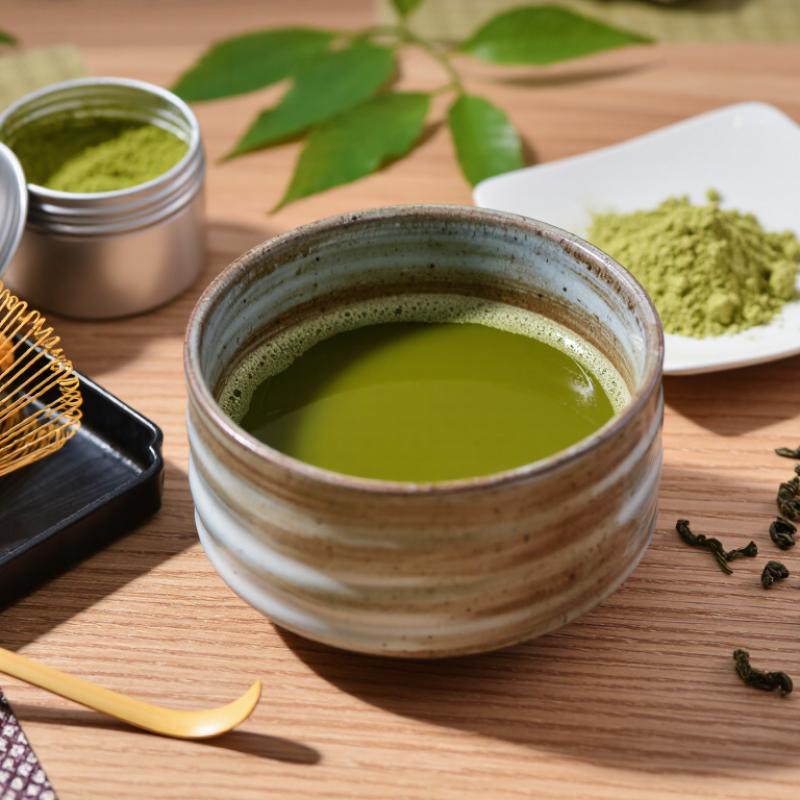
Ceremonial grade sounds precise, but it is not a legally protected grade in Japan or the United States. Producers may define it differently. That matters. In practical tasting, quality matcha should appear vivid jade green and feel silky between your fingers. Its aroma may suggest fresh grass, peas, sea air, or sweet cream. A gentle bitterness is normal. Harsh bitterness often points to age, oxidation, poor storage, or lower-quality leaves. Not every green powder is fresh.
Market growth makes careful buying more important. Grand View Research estimated the global matcha market at USD 3.19 billion in 2023, with a projected 9.4% compound annual growth rate from 2024 to 2030. Such growth supports better production, but it can also encourage vague grading claims. Check the origin, harvest season, cultivar, and whether the leaves were shade-grown. Stone milling may create a finer texture, although milling alone does not prove superior quality. I still hesitate when sellers use “ceremonial” without explaining these details.
Choose an opaque, well-sealed package with a clear lot or packing date. Smaller quantities are safer because opened matcha loses aroma quickly. Look for a certificate of analysis covering lead, cadmium, pesticides, and microbial safety. Prepare a small bowl with warm, not boiling, water. The powder should whisk into a smooth suspension with a fresh aroma and lingering umami. Taste before trusting the label.
When buying ceremonial matcha powder, start with origin, not the word “ceremonial.” That term has no single legally standardized definition in Japan. A reliable package should identify the prefecture, producing region, and ideally the cultivar. Uji, Nishio, Yame, and other regions can produce different aromas because soil, shading, and processing vary. Japan’s Ministry of Agriculture, Forestry and Fisheries reported approximately 69,800 tonnes of crude tea production in 2023, showing the scale of Japan’s tea industry, but this figure does not represent matcha alone (MAFF, 2023).
Harvest timing matters. High-grade matcha usually comes from spring-grown tencha, produced from leaves shaded before picking. Shading can increase umami-related amino acids, while careful steaming and drying help preserve color and aroma. Check for a harvest year or picking season.
“Freshly milled” is useful, but vague without a milling or packing date. The International Tea Committee’s Global Tea Digest notes that quality differences often reflect cultivar, season, and processing conditions, not price alone (International Tea Committee, 2023). That is easy to forget.
Look for bright jade-green powder, a fine texture, and a clean scent resembling young greens. Dull olive color may suggest age or oxidation, although packaging and storage can also change appearance. I have sometimes trusted vivid color too quickly. Taste it with cool water first. It should feel smooth, savory, and lightly sweet, not harsh or dusty. Resealable, light-blocking packaging helps, but no package repairs poor harvesting or careless processing.
10 Tips for Buying Ceremonial Matcha Powder?
Evaluating color, texture, aroma, and taste can reveal more than attractive packaging. I look for a vivid, fresh green color, not dull olive or yellowish powder. Color alone is not proof of quality. Poor lighting can mislead buyers. I once rejected a good matcha because the tin looked darker than expected.
Texture matters immediately. High-quality matcha should feel exceptionally fine, almost like soft talc. Rub a small amount between clean fingers. It should not feel gritty or sandy. When whisked, the powder should disperse smoothly with minimal clumping. A few small lumps are normal, especially in dry conditions. No test is perfect.
The aroma should suggest fresh grass, young leaves, or mild sweetness. Avoid powder with a stale, dusty, smoky, or strongly fishy smell. Taste it with warm water, preferably below boiling temperature. Look for gentle umami, a rounded sweetness, and a clean finish. Strong bitterness may indicate poor handling, unsuitable preparation, or personal sensitivity. Ceremonial matcha should not taste like flavored dessert powder. Check the harvest information, sealed packaging, storage guidance, and production region when available. Freshness matters. Even excellent matcha loses character after repeated exposure to air, heat, and light.
A practical comparison guide for assessing quality before purchase
| No. | Evaluation Dimension | What to Look For | Strong Quality Indicators | Warning Signs | Practical Buying Check |
|---|---|---|---|---|---|
| 1 | Leaf Color | Examine the dry powder under neutral or natural light. | Vivid, opaque green with a fresh, vibrant appearance; shade-grown leaves generally retain more chlorophyll. | Dull olive, yellowish, gray, or brown tones may indicate age, oxidation, excessive heat, or poor storage. | Request a clear product photograph and avoid judging color under strong colored lighting. |
| 2 | Powder Texture | Check whether the powder appears finely milled and uniform. | Soft, talc-like particles that feel smooth between the fingers and disperse readily in water. | Coarse flakes, visible stems, hard clumps, or gritty particles can create a rough mouthfeel. | Rub a small amount between clean, dry fingers; do not rely on texture alone to determine grade. |
| 3 | Aroma | Smell the powder immediately after opening the package. | Fresh, clean, vegetal, lightly sweet, or seaweed-like notes with no harshness. | Stale hay, damp cardboard, smoke, sourness, or a strong musty odor suggests deterioration or contamination. | Prefer a sealed package with a recent packing date and a storage statement. |
| 4 | Taste Balance | Taste a small whisked serving without sweeteners or milk. | Brothy umami, gentle sweetness, moderate bitterness, and a clean, persistent finish. | Aggressive bitterness, sourness, astringency, or a thin, empty finish may indicate lower quality or poor preparation. | Use approximately 1–2 g powder with 60–70 ml of warm water for a consistent comparison. |
| 5 | Foam and Suspension | Observe how the powder behaves when whisked. | Forms a fine, even foam and remains reasonably suspended when whisked correctly. | Large bubbles, rapid separation, or persistent dry clumps may reflect poor dispersion or coarse particles. | Sift before whisking and compare samples using the same water temperature and technique. |
| 6 | Harvest and Processing Information | Review the label for origin, harvest season, and processing details. | Clear information about the growing region, stone-milling or milling method, lot details, and processing date. | Vague wording such as “premium green tea” without specific origin or processing information limits traceability. | Choose products with transparent labeling rather than relying only on the word “ceremonial.” |
| 7 | Freshness and Date Coding | Check the packing date, best-before date, and lot number. | Recently packed powder with a clearly printed, traceable date and adequate remaining shelf life. | Missing dates, faded codes, or a package that has been open for a long time can mean weaker aroma and color. | When possible, buy smaller quantities that can be consumed soon after opening. |
| 8 | Packaging and Storage | Assess protection from light, air, heat, and moisture. | Opaque, airtight, moisture-resistant packaging with clear instructions to store cool, dry, and away from light. | Transparent packaging, damaged seals, excessive headspace, or storage in warm retail conditions may accelerate quality loss. | After opening, reseal tightly and refrigerate only if condensation can be avoided. |
| 9 | Purity and Ingredient List | Verify that the ingredient list matches the product description. | Single-ingredient matcha with no unnecessary sweeteners, fillers, colorants, or flavorings. | Added sugar, milk powder, flavoring, or undeclared blends can mask the tea’s natural aroma and taste. | For pure ceremonial preparation, select a package listing only powdered green tea. |
| 10 | Serving Performance and Value | Compare flavor quality, consistency, and usable quantity rather than price alone. | Smooth taste, strong aroma, stable color, and consistent performance across servings. | An unusually low price, inconsistent batches, or a premium claim unsupported by sensory quality should prompt caution. | Calculate cost per serving and consider a small sample size before purchasing a larger package. |
When buying ceremonial matcha, purity deserves more than a bright green label. Check the ingredient list for one item: finely milled green tea leaves. The powder should smell fresh, grassy, and gently sweet. A dull color or stale hay scent can signal age or poor storage. Look for harvest information, milling details, and an origin statement. “Ceremonial” is not a universally regulated quality grade. That label alone proves little.
Packaging protects quality before the powder reaches your kitchen. Choose opaque, airtight packaging with a secure inner seal. Small quantities often make sense because matcha loses aroma after opening. Look for a packed-on date, not only an expiration date. Store it cool, dry, and away from sunlight. A beautiful package can still fail. I once trusted appearance too quickly, and the powder tasted flat.
Price should reflect freshness, testing, origin transparency, and careful handling. Very cheap powder may reflect old stock or weak sourcing, while high prices do not guarantee excellence. Compare the price per gram, shipping conditions, and return policy. A reliable seller answers specific questions about storage and batch documentation. Independent reviews help when buyers describe color, aroma, and delivery condition. Check contact details and consistent information across the product page. If claims sound absolute, pause and verify them. My checklist helps, but it is not perfect. Supplier records and sensory checks can still leave uncertainty. Buy a modest pouch first.
Freshness matters more than elegant packaging. Matcha is finely ground whole-leaf tea, so air, light, heat, and moisture quickly weaken its aroma. Japan’s Ministry of Agriculture reported national tea production at roughly 80,000 tonnes in 2023. That limited supply makes careful sourcing important. The Tea Association of the U.S.A.’s 2024 report also places green tea at about one-sixth of American tea servings. Demand is growing, but “ceremonial” remains an informal marketing term, not a regulated grade.
Tip: Check the harvest date, milling date, and origin. A bright jade color, sweet vegetal aroma, and smooth foam suggest better handling. Dull olive color, cardboard notes, or heavy bitterness deserve caution.
Tip: Choose a sealed, opaque package with a small quantity. I prefer tins under 40 grams because opened matcha loses character quickly.
Tip: Avoid vague labels. “Premium” proves little without traceability.
Tip: Store unopened powder in a cool, dark cupboard. After opening, seal it tightly and refrigerate only when humidity is controlled. Condensation can damage the powder.
Tip: Let chilled matcha reach room temperature before opening.
Tip: Buy for your serving style. Delicate powder suits whisking with 70–80°C water. Culinary-grade bitterness may work better with milk or desserts.
Tip: Ask whether the powder is stone-milled and tested for contaminants.
Tip: Inspect the seal before paying.
Tip: Smell the powder after opening.
Tip: Use it within several weeks. My own mistake was buying a large tin; freshness faded before I finished it.