
2026 Top Micro Switch Types for Global Buyers?
In 2026, global buyers need more than a low unit price when selecting a Micro Switch. They must match switch design with real operating conditions. A compact snap-action switch may suit control panels, appliances, and industrial sensors. A sealed version can better resist dust, moisture, and cleaning exposure. Roller-lever models can improve actuation across moving equipment. Subminiature types help engineers save space inside compact devices.
This guide examines leading Micro Switch types for international purchasing teams. It considers contact ratings, operating force, travel, mounting style, terminal design, and mechanical life. These details affect performance more than attractive catalog photographs. An experienced buyer should request drawings, test reports, sample units, and traceable production information. Supplier consistency also matters. One sample may perform well, while a later batch feels noticeably different.
Field experience shows that installation errors often resemble product defects. A misaligned actuator can create premature wear. Excessive force can damage a lever. Poor sealing can shorten service life. Buyers should test switches under realistic temperature, vibration, load, and cycling conditions. Certification requirements may also differ by market and application. Do not assume one approval covers every destination.
Some choices remain uncertain. Datasheet life ratings rarely reproduce every field environment. That limitation deserves attention. The best selection balances verified specifications, supplier communication, and practical testing. This overview offers a clear starting point, but engineers should validate each choice before approving volume production.
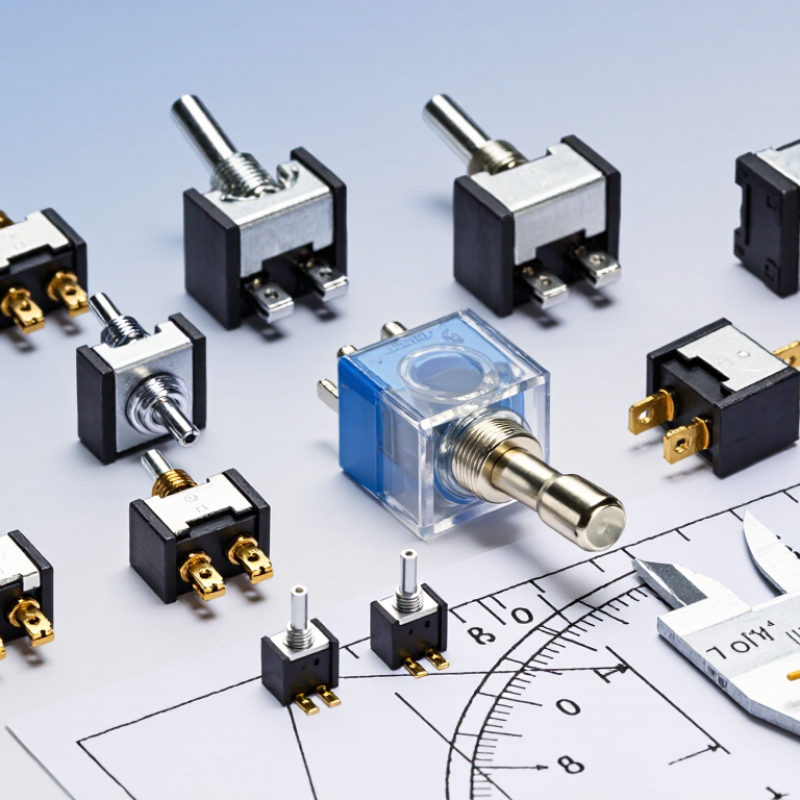
What Is a Micro Switch and How Does It Work?
A micro switch is a compact snap-action device that changes an electrical circuit through a small mechanical movement. Its actuator may be a plunger, roller lever, hinge lever, or flexible arm. When pressed, an internal spring rapidly moves the contacts from one position to another. This action gives a clear switching point, even when the actuator travels only a few millimeters.
The usual contact layouts are normally open, normally closed, and changeover. A normally open circuit closes when pressed. A normally closed circuit opens instead. A changeover version transfers one circuit to another. The 2024 Research and Markets industry analysis identifies automotive systems, household appliances, and industrial controls as major application areas. These sectors need repeatable switching, compact packaging, and stable performance under vibration. Small details matter. Contact rating is not enough. Buyers should also check operating force, travel, electrical life, temperature range, and sealing level.
The 2024 Global Micro Switch Market analysis from Grand View Research reports continued growth driven by vehicle electronics and automated equipment. Yet market forecasts can hide installation problems. A sealed switch may resist dust, but a poorly aligned lever can still fail early. In practical testing, the bracket, wiring tension, and actuator position deserve equal attention. IEC 61058-1 provides a useful safety reference for switches used in appliances, while equipment-specific standards may add stricter requirements. Choose the type after measuring the real mechanism, not from a catalog picture. Guessing here is expensive.
| Micro Switch Type | How It Works | Actuator Style | Typical Contact Arrangement | Typical Electrical Rating* | Typical Operating Force* | Typical Travel* | Common Protection Level | Typical Applications | Key Buying Considerations |
|---|---|---|---|---|---|---|---|---|---|
| Basic Snap-Action Micro Switch | A preloaded spring mechanism rapidly changes the contact state after the actuator reaches its operating point. The snap action helps reduce slow or uncertain switching. | Pin plunger or short lever | SPDT SPST-NO SPST-NC | Typically 1–15 A at low-voltage AC/DC; lower ratings are common in compact signal versions. | Approximately 0.5–4 N | Operating travel commonly 0.3–2 mm; overtravel may be several millimeters depending on design. | Often IP40–IP67, depending on sealing and housing construction. | Control panels, appliances, machinery interlocks, position detection and safety-related limit sensing. | Confirm contact material, load type, electrical life, terminal layout and required overtravel. |
| Roller Lever Micro Switch | A rotating roller at the end of a lever transfers linear or cam motion to the internal snap-action mechanism. | Hinged lever with roller | SPDT SPST-NO SPST-NC | Typically 3–15 A at common industrial AC ratings; signal versions may be rated below 1 A. | Approximately 0.3–3 N | Pretravel is commonly 1–5 mm at the actuator; adjustable or long-travel versions are also available. | Typically IP40–IP67; sealed roller designs are preferred in dusty or damp areas. | Conveyor position sensing, door detection, vending equipment, machine guards and cam-operated controls. | Check roller diameter, lever length, approach direction, side loading and actuator wear resistance. |
| Simulated Roller or Leaf Lever Switch | A flexible metal leaf or simulated roller lever accommodates gradual or angled contact with a moving part while operating the snap mechanism. | Leaf lever or flexible lever | SPDT SPST-NO | Commonly 1–10 A, with lower-current versions used for electronic signal detection. | Approximately 0.2–2 N | Typically 1–6 mm of actuator movement, depending on lever geometry. | Usually IP40–IP67 when fitted with a sealed body or protective cover. | Small mechanisms, printers, compact appliances, access panels and low-force position detection. | Evaluate lever fatigue life, actuation angle, return force and clearance around the moving part. |
| Sealed Waterproof Micro Switch | The internal snap-action mechanism is enclosed with gaskets, resin sealing or a sealed actuator to resist water, dust and contaminants. | Plunger, lever or roller actuator | SPDT SPST-NO SPST-NC | Typically 1–15 A for power switching; exact rating depends on voltage, load and sealing design. | Approximately 0.5–5 N | Commonly 0.5–3 mm operating travel, with additional overtravel for position tolerance. | Commonly IP65–IP68; IP rating must be verified for the complete installed assembly. | Outdoor equipment, automotive auxiliary controls, washing equipment, pumps and industrial machinery. | Check IP test conditions, cable or terminal sealing, temperature range, corrosion resistance and chemical compatibility. |
| High-Temperature Micro Switch | Uses heat-resistant materials, insulation and lubricants so that the snap-action contacts remain functional at elevated temperatures. | Plunger, lever or roller actuator | SPDT SPST-NO SPST-NC | Often 1–15 A, but the allowable current may be derated at higher temperatures. | Approximately 0.5–5 N | Typically 0.3–2 mm operating travel. | Often IP40–IP67; thermal protection and sealing are separate specifications. | Ovens, heating systems, industrial furnaces, engine compartments and high-temperature process equipment. | Review maximum ambient temperature, terminal temperature, insulation rating, derating curves and service life. |
| Low-Force Micro Switch | A reduced-force spring and optimized actuator allow a small moving part to change the contacts with minimal mechanical load. | Short plunger, lightweight lever or low-force roller | SPDT SPST-NO | Commonly 0.1–5 A; many low-force designs are intended for signal or light-load circuits. | Approximately 0.05–1 N | Typically 0.2–1.5 mm operating travel. | Usually IP40–IP67, depending on whether the switch is sealed. | Human-interface mechanisms, compact consumer equipment, small actuators and precision position detection. | Balance low operating force against contact reliability, vibration resistance and mechanical life. |
| Heavy-Duty Limit Micro Switch | A reinforced actuator and housing operate a snap-action contact system designed for frequent mechanical operation and harsher environments. | Long lever, roller lever or adjustable actuator | SPDT SPST-NO SPST-NC | Typically 5–20 A at specified AC ratings; DC and motor loads require separate verification. | Approximately 1–8 N | Commonly 1–5 mm operating travel, with substantial overtravel on some models. | Typically IP54–IP67; higher protection requires suitable cable entry and mounting. | Material handling systems, industrial doors, machine tools, lifts and automated production equipment. | Confirm mechanical endurance, actuator impact resistance, vibration performance, mounting strength and load category. |
| Subminiature Micro Switch | A compact snap-action mechanism provides discrete position feedback where installation space is limited. | Miniature plunger or short lever | SPDT SPST-NO SPST-NC | Commonly 0.1–5 A, with many designs optimized for low-voltage signal circuits. | Approximately 0.1–2 N | Typically 0.2–1.5 mm operating travel. | Usually IP40–IP67, depending on the body and actuator seal. | Compact appliances, battery-powered devices, office equipment, robotics and small control assemblies. | Check body dimensions, terminal pitch, soldering method, PCB clearance, vibration and contact resistance. |
| PCB-Mount Micro Switch | Directly mounts to a printed circuit board and electrically connects through PCB terminals while retaining snap-action switching. | Plunger, lever or low-profile actuator | SPDT SPST-NO SPST-NC | Typically 0.1–5 A; PCB trace width and terminal temperature can limit the usable current. | Approximately 0.1–3 N | Commonly 0.2–2 mm operating travel. | Often IP40–IP67; board-level protection depends on the enclosure. | Electronic controls, appliance control boards, battery systems, instrumentation and compact automation modules. | Verify footprint, terminal orientation, solder profile, creepage distance and compatibility with automated assembly. |
| Double-Circuit or Multi-Pole Micro Switch | One actuator simultaneously controls two electrically separated circuits, helping coordinate control and indication functions. | Plunger, lever or roller actuator | DPDT 2 × SPDT | Commonly 1–10 A per circuit, subject to independent voltage, load and isolation limits. | Approximately 1–6 N | Typically 0.5–3 mm operating travel. | Usually IP40–IP67, depending on the enclosure and actuator seal. | Safety interlocks, redundant status feedback, mode selection and equipment control circuits. | Check pole-to-pole isolation, simultaneous switching, terminal spacing, creepage and required circuit independence. |
| Normally Open or Normally Closed Dedicated Switch | The switch is configured for a single default contact state and changes state when the actuator is pressed or released. | Plunger, lever or roller actuator | SPST-NO SPST-NC | Typically 0.1–15 A, depending on the contact system and intended load. | Approximately 0.1–5 N | Typically 0.2–3 mm operating travel. | Commonly IP40–IP67. | Door-open detection, alarm circuits, appliance controls, simple presence sensing and status indication. | Choose NO or NC according to the fail-safe requirement; verify whether the circuit must remain closed during power loss. |
*The electrical ratings, operating forces and travel values shown are representative market ranges rather than universal specifications. Actual performance depends on the exact construction, contact material, load type, voltage, temperature, actuation speed, mounting method and required electrical or mechanical life. A micro switch is a mechanically actuated, snap-action switch: movement of the actuator stores energy in an internal spring, then rapidly transfers the contacts between their electrical states after the operating point is reached.