Top 10 Benefits of Flexible PCBs in Modern Electronics?
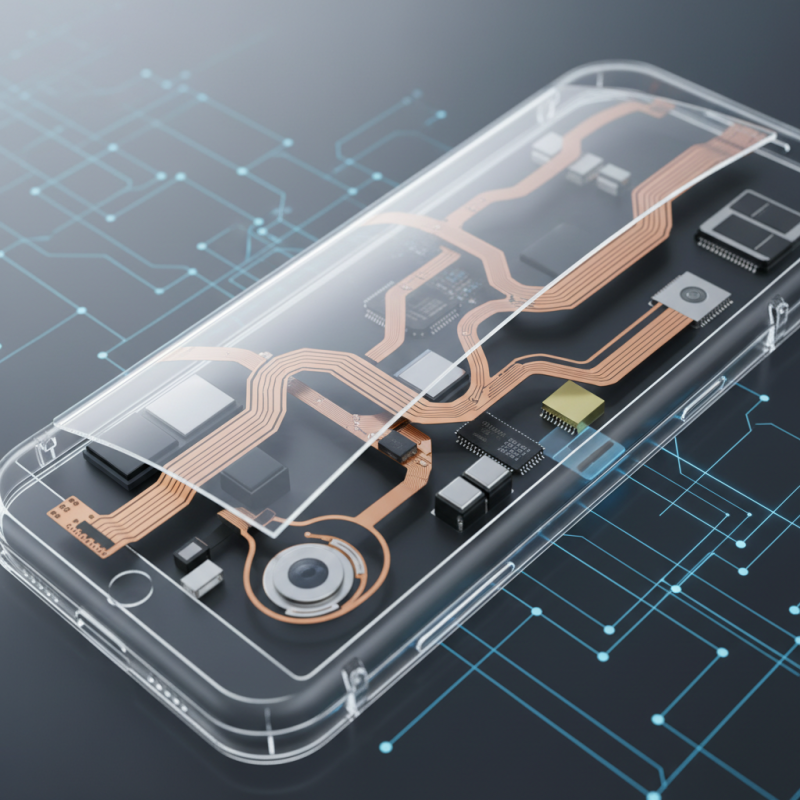
Flexible Pcbs have transformed modern electronics in significant ways. These circuits differ from traditional rigid boards due to their adaptable nature. They bend, twist, and fit into compact spaces, offering new possibilities for device design.
The demand for increased portability drives the need for flexible PCBs. Devices like wearables, smartphones, and medical gadgets benefit greatly. This flexibility allows designers to innovate. However, there are challenges. The production process can be complex, and costs may be higher. Engineers must balance flexibility with durability in their designs.
Despite some drawbacks, the advantages of flexible PCBs are compelling. They enable lighter devices and improved functionality. Manufacturers and consumers alike are recognizing their potential. As technology advances, the role of flexible PCBs will likely expand further, shaping the future of electronics.
Benefits of Flexible PCBs in Space-Constrained Applications
Flexible printed circuits (PCBs) play a crucial role in space-constrained applications. They can bend and twist, fitting into tight spaces that traditional rigid PCBs cannot. The flexibility allows designers to create compact devices, which is essential in industries like aerospace and medical technology. A report by IDTechEx states that the market for flexible PCBs is expected to grow at a CAGR of 13% from 2022 to 2027.
In applications where every millimeter counts, flexible PCBs enable innovative designs. They can interconnect components in a 3D space, allowing for unique layouts. This design freedom is invaluable in wearable devices and compact diagnostic tools. However, the manufacturing process can be complex. High costs and quality control issues persist. Each flexible board must be carefully tested to ensure reliability in critical situations.
Moreover, the thermal management of flexible PCBs can present challenges. They must dissipate heat effectively, especially in tightly packed environments. Ensuring proper heat dispersion is vital to their performance. As technology advances, the demand for reliable flexible PCBs will only increase.
Top 10 Benefits of Flexible PCBs in Modern Electronics - Benefits of Flexible PCBs in Space-Constrained Applications
| Benefit | Description |
| Space Efficiency | Flexible PCBs can conform to compact spaces, optimizing design and minimizing the footprint of devices. |
| Weight Reduction | They are lighter than traditional rigid PCBs, which is crucial for applications in mobile and aerospace technologies. |
| Enhanced Durability | Flexible PCBs are resistant to stress, vibration, and thermal cycling, increasing the longevity of electronic devices. |
| Design Versatility | They can be designed in various shapes and sizes, accommodating a wide range of innovative applications. |
| Cost-Efficiency | Reduces assembly time and lowers production costs due to fewer components needed in the design. |
| Improved Signal Integrity | They offer better electrical performance and reduce signal loss over longer distances. |
| Thermal Management | Flexible substrates can facilitate heat dissipation, enhancing the thermal performance of electronic devices. |
| Simplified Assembly | Flexible PCBs can be combined with other components, simplifying the assembly process and reducing potential failures. |
| Suitability for Wearable Devices | Their flexibility makes them ideal for compact and wearable electronics, accommodating movement and comfort. |
| Environmental Resistance | They can be designed to withstand various environmental conditions, including moisture and temperature extremes. |
Enhanced Durability and Reliability of Flexible PCBs
Flexible PCBs (Printed Circuit Boards) have revolutionized the electronics field, particularly in the area of durability and reliability. The unique design allows them to bend and conform to various shapes. This adaptability can lead to a 30% reduction in failure rates due to vibration and shock, which is crucial in dynamic environments.
Research indicates that flexible PCBs can endure harsher conditions compared to traditional rigid boards. For instance, they can operate effectively within a -40 to 125 degrees Celsius temperature range. Their resistance to cracking under stress is a significant asset. According to industry reports, flexible PCBs face fewer incidents of delamination, often resulting in a longer lifespan, sometimes exceeding five years.
However, there are challenges to consider. The manufacturing process for flexible PCBs is complex and may lead to inconsistencies. Quality control must be rigorous to avoid issues like short circuits or failed connections. Despite these hurdles, the potential for enhanced durability makes flexible PCBs a compelling choice for modern electronics, particularly in the automotive and medical sectors where reliability is paramount.
Cost-Effectiveness of Manufacturing Flexible PCBs
Flexible PCBs are revolutionizing the electronics industry with their cost-effectiveness. Manufacturers are increasingly turning to flexible designs to cut costs. These designs reduce material waste during production. They allow for simpler, more economical assembly processes. Reduced assembly time directly translates to lower labor costs.
Using flexible materials can shrink the overall size of electronics. This can eliminate the need for additional components. Less material means that companies can lower their manufacturing bills. However, the initial tooling for flexible PCBs can be expensive. It's a considerable investment, especially for small manufacturers. The long-term savings often outweigh these initial costs, though. Users must weigh the trade-offs carefully.
Another key aspect is the ease of integration. Flexible PCBs adapt well to various form factors. This reduces design rework expenses. Flexible designs can often fit into spaces that rigid boards cannot. But, adapting to specific designs may require more engineering time, which adds to upfront costs. Each manufacturer must find a balance between flexibility and expenses. It's essential to analyze the projected benefits against the potential challenges.
Improved Signal Integrity in High-Frequency Applications
Flexible printed circuit boards (PCBs) are gaining popularity in the electronics industry. One significant benefit is improved signal integrity, especially in high-frequency applications. As technology advances, devices must operate at higher frequencies. This often leads to challenges like signal loss and distortion. Flexible PCBs can help mitigate these issues.
The design of flexible PCBs allows for shorter signal paths. Shorter paths mean less resistance and reduced electromagnetic interference. This is crucial in high-frequency applications where even minor distortions can lead to errors. Flexible PCBs offer enhanced support for various components. They can be bent or folded, maximizing space without compromising performance.
However, the manufacturing process of flexible PCBs is complex. It requires precise engineering and calibration. Minor errors in production can lead to significant issues. Despite this complexity, the benefits often outweigh the risks. Engineers must keep refining their techniques to ensure reliability. The journey towards better signal integrity is ongoing, with room for improvement.
Versatility in Design and Customization of Flexible PCBs
Flexible printed circuits (PCBs) offer remarkable versatility in electronics design. Their unique structure allows for complex configurations that traditional rigid boards cannot achieve. Designers can easily create intricate shapes and patterns, conforming to the device's space requirements. This adaptability makes them essential for compact and innovative products.
Tip: Consider using flexible PCBs in tight spaces. They can save room and enhance overall design. However, be cautious about bending them too much. Excessive flexing may compromise their integrity over time.
Customization is another key advantage. Engineers can tailor flexible PCBs to specific applications, which is essential for modern electronics. Whether for consumer gadgets or industrial equipment, customization helps meet unique performance needs. The ability to integrate various components seamlessly enhances functionality.
Tip: Evaluate the specific needs of your project before choosing flexible PCBs. Some designs require more durability. Always balance flexibility with the mechanical demands of the end product. Make sure to prototype and test thoroughly.