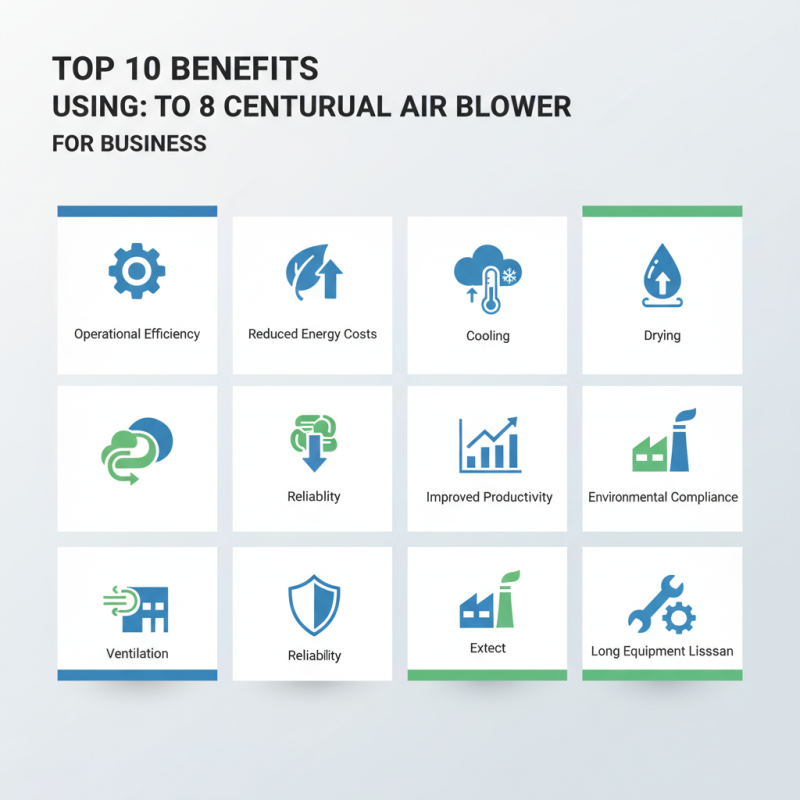
Top 10 Benefits of Using a Centrifugal Air Blower for Businesses
In an industrial setting, efficiency and reliability are paramount. A Centrifugal Air Blower stands out as a crucial tool for various applications. Its ability to generate high air volume at low pressure is impressive. This feature makes it ideal for cooling, drying, and ventilating tasks across many sectors.
Businesses that adopt Centrifugal Air Blowers can experience substantial benefits. Not only do they enhance operational efficiency, but they also reduce energy costs significantly. Many industries rely on these blowers for effective dust and fume management. This reliance speaks to their effectiveness and durability.
However, careful consideration is necessary when choosing a blower. Various models exist, each with unique strengths and limitations. Businesses should evaluate their specific needs before making a decision. By doing so, they can ensure optimal performance and longevity from their equipment.
Advantages of Enhanced Airflow Efficiency with Centrifugal Air Blowers
Centrifugal air blowers are a vital asset for many businesses. Their design enhances airflow efficiency significantly. Improved efficiency leads to higher productivity levels. This innovation can reduce operational costs in the long run. Efficient airflow can improve industrial processes, ensuring machines operate smoothly. The increased air movement also helps in temperature regulation.
Tips for enhancing efficiency: Regular maintenance is crucial. Schedule routine checks to prevent unexpected breakdowns. Clean filters often to maintain optimal airflow. Training staff on proper usage can maximize the machine's potential.
Investing in a centrifugal air blower can yield quick returns. Consider the specific needs of your operations before purchasing. Understanding airflow requirements is essential for optimal performance. Selecting the right size blower can impact efficiency significantly. A mismatch can lead to reduced effectiveness. Always evaluate the system’s performance regularly.
Cost Savings Through Energy Efficiency in Industrial Settings
Centrifugal air blowers play a pivotal role in enhancing energy efficiency within industrial settings. Many businesses face high operational costs due to inefficient air handling systems. By upgrading to a centrifugal blower, companies can see a significant reduction in energy consumption. These blowers use innovative designs that optimize airflow and minimize resistance. The results are lower electricity bills and improved overall performance.
In addition to direct cost savings, centrifugal blowers also contribute to sustainability. They produce less noise and have a smaller environmental footprint. Implementing these efficient systems often leads to less maintenance downtime. When equipment runs smoothly, businesses benefit from increased productivity. However, choosing the right blower is crucial. Some may opt for cheaper options initially, only to face higher long-term costs. Reflecting on these choices is vital for gaining lasting benefits.
While energy efficiency is a major advantage, it’s essential to evaluate performance metrics regularly. Businesses should monitor usage patterns closely. Sometimes, systems that seem efficient may require recalibration or upgrades over time. Staying vigilant ensures that companies maximize their energy savings and operational efficiency.
Top 10 Benefits of Using a Centrifugal Air Blower for Businesses - Cost Savings Through Energy Efficiency in Industrial Settings
| Benefit | Description | Estimated Cost Savings (%) | Energy Efficiency Rating |
| Improved Airflow | Enhances the efficiency of ventilation systems. | 15% | A++ |
| Lower Energy Consumption | Reduces overall power usage compared to traditional blowers. | 20% | A+ |
| Reduced Maintenance Costs | Lower frequency of repairs and replacements required. | 10% | A |
| Quieter Operation | Produces less noise, leading to better workplace conditions. | N/A | A+ |
| Compact Design | Occupies less space compared to alternative systems. | N/A | A |
| Versatility | Can be used in various applications across different industries. | N/A | A++ |
| Longer Lifespan | Built to withstand the rigors of industrial use. | 12% | A |
| Environmentally Friendly | Lower carbon footprint due to reduced energy use. | 18% | A+ |
| Easy Installation | Quick and straightforward setup process. | N/A | A |
| Increased Productivity | Better air management can improve operational efficiency. | 15% | A++ |
Versatility: Applications of Centrifugal Air Blowers Across Industries
Centrifugal air blowers are increasingly vital in various sectors. Their versatility allows them to excel in different applications, including environmental control, material handling, and industrial processes. These blowers provide high flow rates, which are ideal for dust collection and fume extraction. Manufacturing environments benefit significantly. The efficiency of these blowers often translates into improved productivity and reduced operational costs.
Tips for selecting a centrifugal air blower include knowing the required output. Understand the system's pressure needs. Ensure that the blower can meet the airflow demands of your specific application. Consider energy efficiency, as saving energy aligns with both cost savings and environmental sustainability.
In agriculture, centrifugal air blowers support drying processes. They also help in aerating stored crops, preventing spoilage. In wastewater treatment, they facilitate aeration for biological processes. Don't overlook maintenance; regular checks keep blowers running effectively. Addressing issues promptly can prevent costly downtime. The effectiveness of a centrifugal air blower can greatly impact your business's operations and efficiency.
Reduced Noise Levels Compared to Other Blower Types
Centrifugal air blowers are gaining popularity among businesses for their exceptional noise reduction capabilities. Unlike traditional blowers, centrifugal models operate at lower noise levels. This reduction creates a more pleasant working environment. Employees can focus better without the distraction of loud machinery. Many managers have noticed increased productivity due to this quieter operation.
In addition, businesses can enhance their reputation by prioritizing employee comfort. Reduced noise can lead to fewer complaints and improved morale. Moreover, many facilities are located near residential areas or schools. Lower noise emissions help in maintaining good relationships with the community. This improvement in sound levels is a significant aspect for companies looking to be socially responsible.
However, operating a centrifugal blower is not without challenges. While noise is reduced, energy consumption can increase if not managed correctly. It’s crucial to evaluate the total operating costs. Over time, businesses must assess the trade-off between efficiency and noise levels. These considerations are key in making a sound investment for the workplace.
Improved System Longevity and Maintenance Ease with Advanced Design
Centrifugal air blowers provide numerous advantages for businesses, particularly concerning system longevity and maintenance ease. The advanced design of these blowers often results in lower operational wear. According to recent industry reports, proper airflow management can extend equipment life by up to 30%. This improvement is largely due to the blower's efficient design that minimizes unnecessary stress on components.
Maintenance tasks are significantly easier as well. The streamlined construction of these blowers allows for quick access to parts. A survey indicated that businesses using centrifugal blowers reported a 20% reduction in maintenance time compared to other blower types. This not only enhances productivity but also reduces long-term costs associated with downtime and repairs. However, some users still encounter challenges with vibration and noise levels that require careful monitoring.
Data shows that organizations investing in centrifugal blowers see a return on investment through lower energy consumption and reduced maintenance needs. An estimated 15% of industrial energy expenses are linked to inadequate airflow systems. Striking the right balance between efficiency and performance can be complex, but the benefits often warrant the effort for improved operational reliability.