2026 Best Mining Rim Options for Global Buyers?
As the global mining industry continues to evolve, the importance of high-quality mining rim options cannot be underestimated. According to industry expert Dr. Emily Trent, “Choosing the right mining rim can significantly enhance operational efficiency and safety.” Her insights shed light on the pivotal role that mining rims play in a miner's daily operations.
The year 2026 is poised to bring innovations and upgraded designs to mining rims. The demand for durable, reliable mining rims is increasing due to the rugged conditions they face. Minerals and metals extraction requires specialized equipment. A well-designed mining rim can withstand harsh environments, ensuring productivity and reducing down time.
However, the choices can be overwhelming. Buyers might feel uncertain about what constitutes the best options for their specific needs. Each mining operation has unique challenges and requirements. A tailored approach is necessary. This article will explore various mining rim options available for global buyers in 2026, considering price, performance, and material technology.
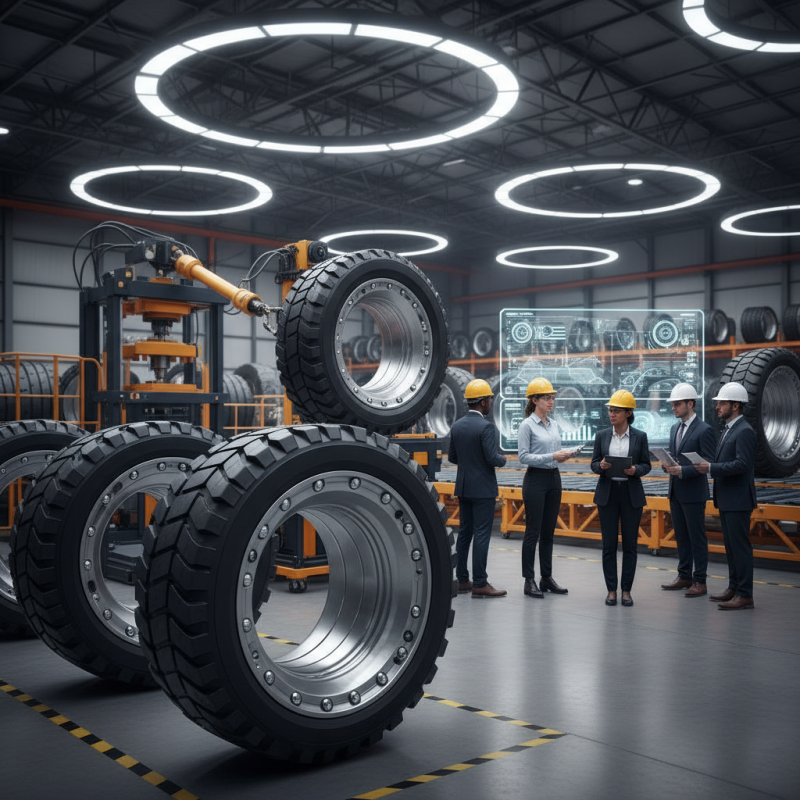
2026 Trends in Mining Rim Technology and Design
In 2026, mining rim technology is set to evolve significantly. The focus will be on lightweight materials that enhance performance without compromising strength. Recent studies from industry reports suggest a shift towards advanced composites. These materials not only reduce weight but also improve fuel efficiency in heavy machinery. For instance, lightweight rims can lead to a 10-15% reduction in fuel consumption, which could save mining operations thousands of dollars annually.
Another trend is the integration of smart technology in rim designs. Sensors embedded in rims can monitor tire pressure and temperature in real-time. This data can help prevent failures and increase safety on-site. Industry experts estimate that predictive maintenance could reduce downtime by up to 20%. Nevertheless, this technology is still in its infancy. Adoption rates vary, as some miners remain hesitant about the initial costs and complexity of integration.
Sustainability is also becoming critical. Many companies are exploring eco-friendly production methods. The use of recycled materials is gaining traction. Reports indicate that up to 30% of new mining rims could be made from recycled components by 2026. However, challenges remain in meeting stringent quality standards while using recycled materials. This balance is crucial for the industry’s future. As these trends continue, miners will need to adapt or risk falling behind competitors.
Key Factors to Consider When Choosing Mining Rims
When selecting mining rims, several key factors are crucial. Durability stands out as a primary attribute. The rims should withstand harsh environments and heavy loads. Industry studies show that using high-strength materials can reduce failures. Moreover, the rim’s weight impacts vehicle performance. Lighter rims often lead to better fuel efficiency and maneuverability.
Tip: Always consider the application of the rims. For example, rims for underground mining may require different specifications than those used in open-pit mining. It is essential to match the rim’s design to the mining conditions.
Another factor is compatibility with tire types. Ensure that the rim supports the chosen tire dimension and style. Compatibility affects tire life and performance. Additionally, consider the maintenance requirements associated with the rims. An easily maintained rim design can lead to reduced downtime and lower overall costs.
Tip: Regular inspections can prolong rim life. Look for signs of wear or damage to avoid costly replacements. A proactive approach helps in maintaining productivity in mining operations.
Top Rated Mining Rim Brands for Global Buyers in 2026
When selecting mining rims, global buyers often seek top-rated options that ensure both durability and performance. The right rim can significantly enhance mining operations by withstanding harsh conditions and heavy loads. In 2026, various brands offer sturdy solutions designed to meet diverse needs. These options feature advanced material technology, which ensures long-lasting reliability even under extreme stress.
Buyers should consider several factors while evaluating rim brands. Weight, corrosion resistance, and ease of installation are critical elements. A reliable brand should focus on testing and innovation to adapt to evolving mining environments. Some brands excel in weight reduction, while others prioritize structural integrity. Exploring a range of options helps in making an informed decision.
While many brands claim superiority, it’s essential to scrutinize their claims. User reviews can provide valuable insights into real-world performance. Some buyers report mismatched expectations versus actual results. Reflecting on these experiences can guide future purchases. Ultimately, understanding personal needs is key to finding the best mining rim.
Comparative Analysis of Mining Rim Materials and Durability
When evaluating mining rims, materials play a crucial role in their durability and performance. Common materials include steel and aluminum, each offering unique advantages.
Steel rims provide superior strength and resistance to impact, making them ideal for high-load applications. A report by the Mining Industry Council highlights that steel rims can last up to 20% longer in harsh environments compared to lightweight alternatives.
In contrast, aluminum rims are lighter, which can improve fuel efficiency and reduce wear on vehicles. However, their susceptibility to dents and cracks raises concerns about longevity. A study published in the International Journal of Mining Engineering found that aluminum rims may require more frequent replacements in rugged terrains, potentially leading to higher operational costs over time.
Tips: Regularly inspect your rims to identify any damage early. This proactive approach can save costs by preventing more extensive repairs or replacements. Additionally, consider the specific mining conditions when selecting rim materials to maximize performance and minimize downtime. Evaluating these factors carefully ensures that investments lead to long-term benefits, though the industry's rapid evolution means staying informed is essential.
Cost-Effectiveness of Investing in Quality Mining Rims
Investing in mining rims can significantly impact operational efficiency. High-quality rims are designed to withstand harsh conditions. They minimize wear and tear on machinery, resulting in lower maintenance costs. A well-crafted rim also enhances safety, which is non-negotiable in mining operations. It's essential to consider the long-term savings these rims can offer.
When selecting rims, cost-effectiveness is crucial. Higher upfront costs may deter initial investment. However, consider the potential reduction in downtime and repairs. Cheaper alternatives could lead to frequent replacements. An ideal rim should balance durability and price. Each mining operation has unique needs, often requiring a tailored approach to rim selection.
Reflecting on past choices can provide insight. Many operations prioritize cost over quality, only to face increased expenses later. It’s vital to analyze your specific requirements and weigh the risks of opting for budget options. Ultimately, the right rim investment can lead to long-lasting benefits and improved productivity.
2026 Best Mining Rim Options for Global Buyers
| Rim Type | Material | Size (inches) | Weight (lbs) | Cost ($) | Durability (Years) | Cost-Effectiveness Rating |
| Off-Road | Aluminum | 24 | 55 | 1500 | 5 | 4.5 |
| Heavy-Duty | Steel | 30 | 80 | 1800 | 7 | 4.0 |
| Lightweight | Magnesium | 22 | 45 | 1600 | 4 | 4.7 |
| Standard | Steel | 26 | 60 | 1400 | 6 | 4.2 |
| High-Performance | Carbon Fiber | 28 | 50 | 2200 | 8 | 4.9 |