Best Power Battery Options for China Global Buyers?
As the demand for electric vehicles (EVs) continues to rise, so does the importance of high-quality Power Battery options. According to a report by the International Energy Agency, global sales of electric cars soared to 6.6 million in 2021, marking a 108% increase from the previous year. This surge is transforming the power battery market, particularly in China, the largest EV market.
Chinese manufacturers dominate the Power Battery sector, producing over 80% of the world's lithium-ion batteries. Companies like CATL and BYD lead with innovative technologies, enhancing battery efficiency and sustainability. However, buyers must navigate a complex landscape of choices. The right Power Battery can influence the vehicle’s performance, longevity, and environmental impact.
Yet, challenges persist. Supply chain issues and resource limitations can hinder production capacity. Furthermore, not all battery options offer equal reliability or performance. Thus, global buyers should conduct thorough research and weigh their options carefully. Understanding the nuances of Power Battery technology is essential for making informed decisions in this rapidly evolving market.
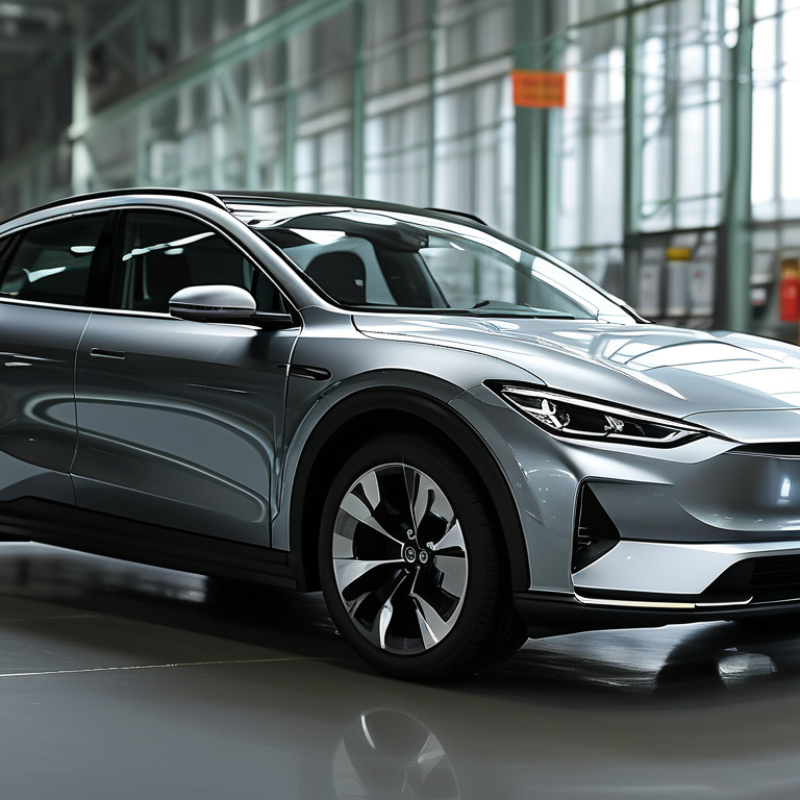
Overview of Power Battery Market in China
The power battery market in China is rapidly evolving. It plays a crucial role in the global energy transition. A variety of battery technologies are available, but lithium-ion batteries dominate. They are often chosen for their efficiency and energy density. However, other options like solid-state and sodium-ion batteries are gaining traction.
The landscape is competitive. Many manufacturers are investing in research and development. This effort aims to enhance battery performance and sustainability. Yet, challenges remain. Issues such as supply chain stability and raw material sourcing can hinder progress. The environmental impact of battery disposal also raises concerns.
Global buyers face a complex decision-making process. They must evaluate battery life, cost, and environmental impact. Understanding local regulations and market trends is essential. Buyers should also consider technological advancements. The quest for the best power battery is ongoing, requiring both research and reflection.
Key Manufacturers and Their Offerings
When exploring battery options, Chinese manufacturers play a crucial role. The landscape is diverse, with several key players leading the charge. According to industry reports, the global demand for power batteries is expected to reach 900 GWh by 2025, driven by electric vehicle production and energy storage solutions.
Leading manufacturers in China are focusing on innovation and sustainability. They are investing heavily in R&D to enhance battery efficiency and lifespan. A recent analysis suggested that companies are developing solid-state batteries, which promise greater energy density and safety compared to traditional lithium-ion batteries. Collaboration with technology firms is also crucial, as integration with smart technologies is becoming essential.
Despite advancements, challenges remain. Production costs continue to fluctuate, impacting profit margins. Additionally, raw material supply chains are often volatile, raising concerns about sustainability. The industry must navigate these waters carefully while aiming for greener battery solutions. This balancing act highlights the need for ongoing research and adaptive strategies to meet future demands.
Best Power Battery Options for China Global Buyers?
| Battery Type | Capacity (Ah) | Chemistry | Cycle Life | Temperature Range (°C) | Applications |
| Lithium-ion | 50 | LiCoO2 | 500 | -20 to 60 | Consumer Electronics |
| Lithium Polymer | 30 | LiPo | 300 | -10 to 50 | Drones, RC Vehicles |
| Lead Acid | 100 | Lead Acid | 300 | -20 to 50 | Automotive, UPS |
| Nickel-Metal Hydride | 40 | NiMH | 1000 | 0 to 45 | Hybrid Vehicles |
| Sodium-ion | 60 | Na-ion | 200 | -10 to 60 | Grid Storage |
Comparative Analysis of Battery Types
When evaluating battery options for global buyers in China, three main types emerge: lithium-ion, nickel-metal hydride (NiMH), and lead-acid. Each battery type has unique characteristics that make it suitable for different applications. Lithium-ion batteries are highly efficient and lightweight. They offer longer lifespans and faster charging capabilities. However, they often require careful management to prevent overheating.
NiMH batteries are more environmentally friendly. They are typically used in hybrid vehicles and have better thermal stability than lithium-ion batteries. Their capacity may not match that of lithium-ion, but they can provide a reliable performance in a range of temperatures. Still, they do suffer from self-discharge issues, which may limit their usefulness.
Lead-acid batteries are the oldest technology but still widely used. They are cost-effective and robust, making them ideal for applications requiring high surge currents. However, they also come with disadvantages such as shorter life cycles and heavier weight. Balancing these factors is critical for buyers. Insights into each type's limitations are essential for informed decisions.
Factors Influencing Global Buyers' Decisions
When considering battery options, global buyers must weigh several factors. The battery's capacity is crucial. It determines how long a device can run before needing a recharge. Buyers often prioritize energy density. High energy density means a lighter battery, which is essential for portable devices.
Price is another significant consideration. While high-end batteries offer better performance, budget constraints often limit options. Compatibility also matters. A battery must fit the device specifications. Mismatched batteries can lead to inefficiencies or safety concerns.
Tips: Focus on reliability. Research the battery's lifespan and warranty. Check online reviews for real user experiences. Analyze post-purchase support. Reliable manufacturers offer guidance throughout the product's life. Always keep an eye on emerging technologies. Stay informed about new developments in battery storage and efficiency.
Future Trends in China's Power Battery Industry
China's power battery industry is on the brink of transformation. Recently, industry leaders have been focusing on sustainability. This shift is driven by environmental concerns and regulatory pressures. The demand for greener battery solutions is increasing. Many manufacturers are investing heavily in research and development. They aim to improve battery technology while minimizing environmental impacts.
Innovative recycling methods are gaining traction. Many companies are looking to recapture valuable materials from spent batteries. This approach not only reduces waste but also enhances the supply chain. It is a promising trend that aligns with global sustainability goals. However, the industry still faces challenges. Issues like cost efficiency and scalability need careful consideration.
Consumer awareness is also changing how batteries are marketed. Buyers are becoming more informed and selective. They seek transparency about sourcing and production processes. Brands must adapt to these expectations to remain competitive. Balancing innovation with ethical practices will define future success in this sector. The industry stands at a crossroads, and agile strategies will determine its path forward.