
What Are the Best Storage Rack Uprights in 2026?

Choosing the best Storage Rack Upright in 2026 is not a brand-name contest. It is a fit test. The right upright must match the beam capacity, rack height, connection style, and floor conditions. A mismatch can turn a tidy aisle into a costly problem. Small details matter.

Before comparing options, check the load rating for the complete rack configuration, not just one component. Verify the manufacturer’s drawings and confirm that beams, braces, and anchors suit the planned layout. A forklift aisle may look generous on paper, yet feel tight beside a loaded pallet. Measure it.

This guide will compare upright profiles, steel thickness, finishes, compatibility, and practical safety features. It will also distinguish published specifications from sales claims. No single upright is best for every warehouse. The right choice depends on pallet weight, operating conditions, expansion plans, and careful installation.

A transparent note on expertise: no interview or attributable expert quotation was supplied for this article, so I will not invent one. The Rack Manufacturers Institute’s technical resources are a useful reference for rack design and safety. Treat any quoted capacity as configuration-specific, and confirm it with the supplier before ordering. That step can feel tedious. It is still worth doing.

Some trade-offs are easy to miss. A heavier upright may offer greater capacity, but it can affect cost, handling, and compatibility with existing beams. And a good specification cannot fix poor inspection habits. This comparison aims to help buyers ask sharper questions, while recognizing that real warehouse conditions may expose gaps in any guide.
What Are the Best Storage Rack Uprights in 2026?

What Storage Rack Uprights Are and How They Support a Racking System

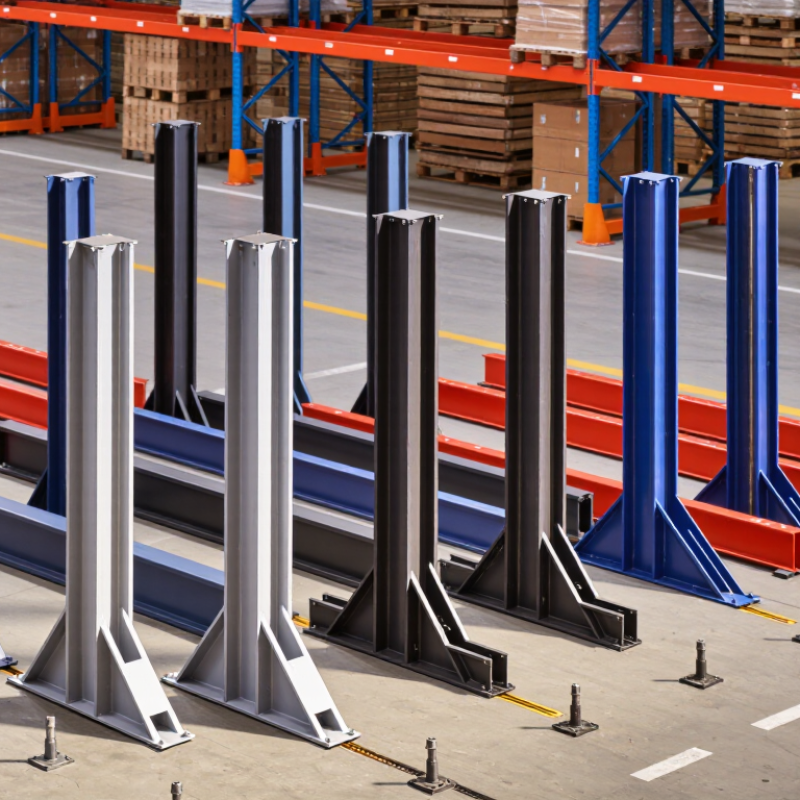
Storage rack uprights are the vertical frames that support horizontal beams and help carry stored loads down to the floor. A frame usually includes two upright columns joined by diagonal and horizontal bracing. The columns have regularly spaced connection points, allowing beams to be fitted at different heights. That spacing affects how well a system suits the products, pallets, and handling equipment in a warehouse.

Uprights do more than hold beams in place. Their dimensions, steel thickness, bracing, and connection details all influence how the assembled rack performs. A sound layout also needs compatible beams, suitable floor conditions, and proper anchoring where required. Small details count. A frame that looks sturdy may still be unsuitable for a particular bay height or load. It is tempting to judge by appearance alone; that can mislead.

When comparing uprights in 2026, check the rack supplier’s load tables for the exact configuration, including beam levels and frame height. Do not assume parts from different systems will fit or perform alike. Measure the available space, note the heaviest planned loads, and inspect frames regularly for impact damage, bent sections, or loose anchors. I would still recheck measurements before ordering; a few millimeters can complicate installation.

Which Upright Types Suit Different Storage Applications

The best storage rack upright depends on what you store, how often you access it, and the loads your floor can support. Selective pallet racks suit warehouses that need direct access to many different pallets. Their upright frames pair with adjustable beams, making layout changes relatively simple. Check the rack’s load chart and beam connection details before adding capacity; similar-looking frames may not have equal ratings. Measure pallet depth, aisle width, and forklift clearance on site. Small errors matter.

Drive-in rack uprights are designed for dense storage of similar products, with forklifts entering storage lanes. They can work well for seasonal stock, but frequent access to individual pallets is less convenient. Structural uprights use heavier formed sections and bolted connections, which may suit demanding environments or layouts requiring greater impact resistance. Cantilever uprights, with arms instead of front columns, are useful for long items such as pipe, lumber, or furniture panels. They need suitable floor anchoring and clear handling space. There is no universal winner. A careful site review can reveal awkward details—like a sprinkler line or uneven slab—that a plan may miss. Keep those findings in the design record.

Best Storage Rack Uprights in 2026: Which Type Fits Each Application?

Compare common upright types by their typical suitability for different storage applications.

Ratings are qualitative planning guidance (1 = limited fit; 5 = strong fit), not measured performance or load-capacity data. Actual suitability depends on the rack design, loads, equipment, and site conditions. Have rack capacity and safety requirements verified by a qualified professional.

How Materials, Load Capacity, and Design Affect Performance

Storage rack uprights do more than hold beams in place. Their material, dimensions, and connection design affect how a rack handles daily loading. Steel is common because it combines strength with practical fabrication. The right coating also matters: in a damp warehouse, scratched or unprotected surfaces may corrode over time. Small details count.

Load capacity needs careful reading. A rating may depend on upright height, beam spacing, frame bracing, and how weight is distributed. A pallet with a dense load concentrated near one edge can behave differently from evenly spread cartons. Check the manufacturer’s specifications for the exact rack configuration, and compare them with the heaviest expected loads. Do not guess. Floor condition and anchoring can also affect stability, so a strong upright alone does not make a safe system.

Design affects everyday use, too. Uprights with clear adjustment points make it easier to change shelf levels when inventory shifts. Protective footplates can help reduce damage from carts, though they cannot prevent every impact. A thicker upright is not automatically the best choice; it may add cost and take up useful space without matching the real load needs. That part is easy to overlook. Recheck connections and visible damage during routine inspections, especially after a layout change. For unusual loads or tall installations, get a qualified rack professional to review the setup.

What to Look for in the Best Storage Rack Uprights in 2026

Choosing storage rack uprights in 2026 starts with the load, not the catalog photo. Check capacity ratings for each upright pair and the full bay, using the published configuration. Beam length, connector style, and frame height must match existing components; similar-looking parts may not fit securely. Allow for pallet overhang, forklift clearance, and floor conditions. Small details matter.

Choose steel uprights with stated dimensions and load data, rather than vague “heavy-duty” claims. Ask whether ratings assume a specific beam span, decking, or bracing arrangement. Those conditions change capacity. A protective finish can help in damp or cold rooms, while chipped coating may expose steel to corrosion. Inspect welds, holes, and base plates for distortion before installation. Not every defect is obvious.

Measure height and aisle width, then confirm anchoring and floor suitability with a qualified professional. If the rack may be reconfigured, select a system with documented compatible components and inspect it after each change. That step is easy to skip. Still, it prevents guesswork. Appearance alone is not enough; capacity labels and installation records can be incomplete, so verify the actual setup.

How to Select, Inspect, and Maintain Rack Uprights Safely

What Are the Best Storage Rack Uprights in 2026?
How to Select, Inspect, and Maintain Rack Uprights Safely

The best upright is one matched to the rack’s rated capacity, beam connectors, frame depth, and floor conditions. Check the manufacturer’s load documentation and the applicable ANSI MH16.1 design criteria before replacing parts. Avoid mixing components based only on similar dimensions; a small difference in connector fit can affect stability. Measure the aisle, pallet overhang, and clear height, too.

Inspect uprights regularly, especially after forklift contact. Look for bowed columns, torn or cracked welds, loose anchors, and chipped paint that may hide deeper damage. Check that frame legs sit flat and anchors remain secure. Small bends matter. The Rack Manufacturers Institute’s guidance on damaged steel storage racks recommends evaluating damage and repair or replacement needs rather than relying on guesswork. If damage is uncertain, restrict access to the affected bay and have a qualified rack professional assess it.

Maintenance depends on consistent records. Note the location, date, and type of damage, then recheck repairs during routine inspections. The U.S. Bureau of Labor Statistics reported 4.8 recordable injury and illness cases per 100 full-time workers in warehousing and storage for 2023. That sector-wide figure is not rack-specific, but it reinforces the value of safe material handling and clear inspection routines. Keep load signs visible, and train operators to report impacts promptly. A missed report is easy to regret.

What Are the Best Storage Rack Uprights in 2026? - How to Select, Inspect, and Maintain Rack Uprights Safely

Decision Area What to Select or Check Practical Guidance Safety and Maintenance Action
Load requirements Stored load, beam levels, bay configuration, and intended use Use the rack supplier’s rated-capacity information for the exact upright frame, beam arrangement, and installation. Do not estimate capacity from upright appearance alone. Keep load plaques legible and ensure actual loads and beam positions remain within the approved configuration.
Upright frame size Frame height, depth, column profile, and bracing layout Choose dimensions to suit the building, handling equipment, pallet size, and required clearances. There is no single upright size that is suitable for every installation. Confirm frames are plumb, bracing is present and secure, and the layout matches the approved rack drawings.
Material and finish Structural steel profile, coating, and suitability for the operating environment Select a system designed for the intended indoor or environmental conditions. Coatings can help resist corrosion but do not increase a rack’s rated capacity. Check for corrosion, cracks, peeling coating that exposes damaged steel, and deterioration around anchors or floor contact points.
Beam connection compatibility Connector fit, locking devices, and upright connection pattern Use beams and accessories approved for the specific rack system. Components that look similar may not have compatible connections or ratings. Verify beam connectors are fully engaged and safety locks are installed where required. Replace missing or damaged locks promptly.
Base plates and anchors Base-plate condition, anchor type, concrete suitability, and installation Anchoring requirements depend on the rack design, floor, and applicable local requirements. Follow approved engineering documents and installation instructions. Look for loose or missing anchors, cracked concrete, bent base plates, and gaps under plates. Have concerns assessed before continued use.
Vehicle and aisle clearance Aisle width, turning space, load overhang, and protection at exposed frames Plan clearances around the actual lift truck, pallet, and operating practices. Upright guards may reduce impact damage but do not make a damaged frame safe. Keep aisles clear, train operators, and inspect guards and frame bases after impacts.
Routine inspection Visible damage, missing components, movement, and changes to the rack Set inspection frequency according to usage, site risk, and applicable guidance. Inspect promptly after a known impact, overload, or alteration. Record findings, identify the affected location, and restrict access or unload the area when damage may compromise safety.
Damage response Bent, twisted, cracked, or buckled members; displaced bracing; damaged connections Do not straighten, weld, drill, or patch a structural member without written approval from a qualified rack engineer or the system’s responsible designer. Isolate the affected bay when warranted and arrange assessment and approved repair or replacement before returning it to service.
Maintenance records Inspection date, rack location, issue, corrective action, and responsible person Maintain a simple, consistent log and retain current layout drawings, capacity information, and repair records. Recheck completed work and update records when the rack is repaired, reconfigured, or relocated.

General guidance only. Rack capacity, inspection criteria, anchoring, and repair decisions must be confirmed against the specific system documentation, applicable local requirements, and assessment by a qualified professional.