
Choosing among the Best Aluminum Casement Window Manufacturers in China takes more than comparing catalog photos. A polished frame can still disappoint if its hardware feels loose, its seals sit unevenly, or its opening sash catches after repeated use. The Aluminum Casement Window combines a hinged sash with a tight-closing design, making fabrication accuracy and installation details especially important. Small details matter.
Building-science expert Joseph Lstiburek is known for viewing building components as parts of a complete system. Put simply, his approach suggests: “A window’s performance depends on the wall and installation around it.” This is a paraphrase, not a verified verbatim quotation. It offers a useful lens for evaluating manufacturers: ask about frame profiles, glazing options, weather seals, hardware, testing records, and installation guidance. A sample corner joint can reveal more than a glossy brochure.
This guide compares Chinese manufacturers through practical questions, not sales claims alone. It considers product range, production capabilities, customization, quality documentation, and communication during ordering. Buyers should request current specifications and project references, then check whether those details match their climate and building needs. Even a capable factory may not suit every project. And supplier information can change; verify it directly before making a decision. One caution: a low quoted price may exclude hardware upgrades, protective packaging, or after-sales support. That deserves a closer look.
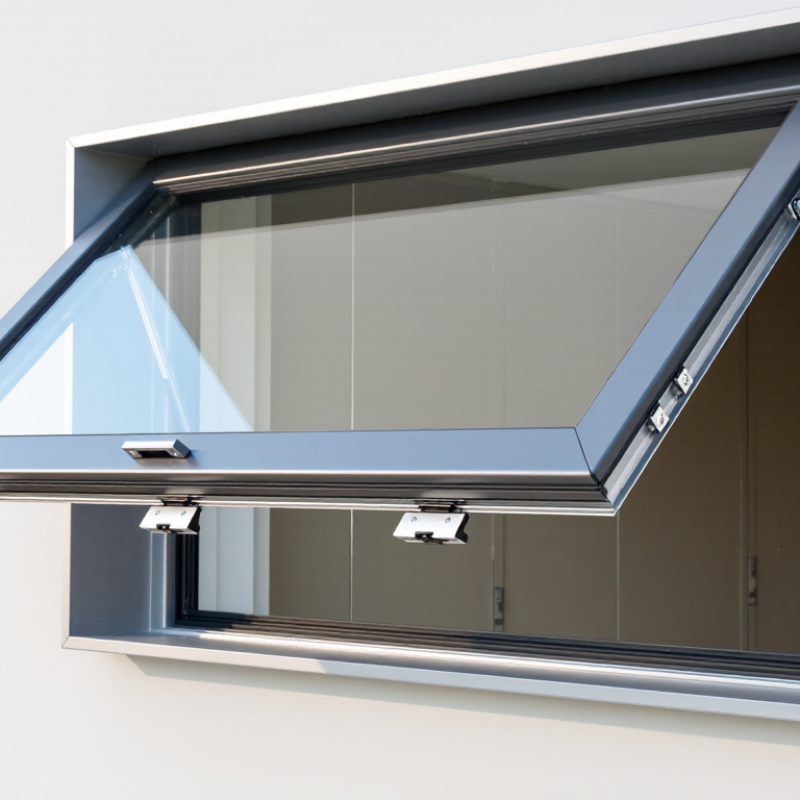
Best Aluminum Casement Window Manufacturers in China: An Overview
Choosing a Chinese manufacturer starts with project requirements, not catalog photos. Compare frame depth, thermal breaks, hardware, glass options, and stated air, water, and structural test results. These details affect performance at a windy, rain-exposed opening. Ask for reports tied to the exact window configuration, not a similar model. The distinction matters.
The 2023 Global Status Report for Buildings and Construction, published by UNEP and GlobalABC, reported that buildings accounted for 34% of global energy demand and 37% of energy- and process-related carbon emissions. Better-performing windows can support energy goals, but results depend on installation, glazing, and the whole building envelope. A slim frame may look elegant. Its thermal performance still needs evidence. One limitation: online specifications rarely reveal how consistently a factory controls production.
Tips: Request sample corners, finish samples, and a clear packing plan. Confirm dimensions, opening direction, and test standards before production. Have an independent inspector check a pre-shipment unit when practical. A low quoted price may omit accessories or installation details. Compare the full scope.
Best Aluminum Casement Window Manufacturers in China?
What Defines a Reliable Aluminum Casement Window Manufacturer
A reliable aluminum casement window manufacturer can explain how each window is built, not just display polished samples. Ask for the alloy designation, profile wall thickness, corner-joint method, and hardware specification. These details affect sash stiffness and long-term operation. Small details matter. On a sample, open and close the sash repeatedly. Check whether it moves smoothly, sits square, and locks without forcing. A stiff handle is a warning, not a minor quirk.
Evidence matters more than confident sales language. Request recent test reports for air leakage, water penetration, and wind resistance, then confirm the tested configuration matches your window size and glass. Coating records, drainage-channel details, and batch traceability also help reveal process control. A capable factory should explain its inspection steps and how it handles dimensional defects or damaged finishes. One report does not prove every shipment is consistent. That is easy to overlook.
Tips: Ask for records. Compare sample dimensions with the approved drawing. Request photos of finished units and packing before dispatch. Keep the discussion practical.
Compare manufacturers using the same window specification, not a headline price. Record frame depth, aluminum alloy and temper, wall thickness, thermal-break material, and glass build-up. Ask how casement hinges, handles, and locking points are rated for repeated use. Small details matter. A difference of a few millimeters in profile depth can affect stiffness, sightlines, and installation clearance.
Request test reports for the exact window configuration, including air leakage, water penetration, and wind resistance. Check the test date, sample dimensions, and laboratory details; a report for a different model may not prove much. Not just the brochure. Ask to inspect a production sample, welds or corner joints, drainage paths, and finish consistency in natural light. Also review quality-control records, packaging methods, replacement-part support, and realistic lead times. Clear answers are useful evidence, though not a guarantee. Even a careful checklist misses something: confirm that drawings, approved samples, and the final order all describe the same product.
Best Aluminum Casement Window Manufacturers in China?
Leading Manufacturers and Their Product Specialties
China’s aluminum casement window sector includes manufacturers with different project specialties. Some focus on thermally broken frames for homes facing hot summers or cold winters. Others emphasize slim profiles, broad glazed areas, or custom finishes for modern façades. For coastal projects, ask about corrosion-resistant coatings and suitable hardware. Details matter.
A capable supplier should explain frame depth, glazing options, drainage design, and opening limits clearly. Request section drawings and a sample corner to inspect joints, coating consistency, and gasket fit. Ask how products are tested for air leakage, water penetration, and wind pressure, then request current test records. A polished catalog is not proof of performance. Compare specifications with your project conditions, not only quoted prices. Even a detailed spec sheet can leave questions.
Tips: Confirm glass thickness, screen options, packaging, and lead time in writing. Test a sample window if practical. Check that the hardware suits the sash size and expected use. A small mismatch can affect daily operation. Also ask who provides installation guidance and replacement parts after delivery.
This comparison describes common manufacturer specializations and product configurations in China’s aluminum window market. Profiles are anonymized; specifications are indicative market examples, not verified claims about any individual manufacturer.
| Manufacturer profile | Typical product specialty | Common configuration options | Key points to compare | Relevant Chinese standards |
|---|---|---|---|---|
| Large, vertically integrated window fabricator | Made-to-order casement windows for residential projects, with coordinated profiles, hardware, glazing, and fabrication. | Thermal-break or non-thermal-break aluminum profiles; single, double, or multi-panel casements; insulated-glass options. | Ask for project references, documented quality controls, customization limits, and product test reports for the proposed assembly. | GB/T 8478-2020, Aluminum alloy windows; GB/T 7106-2019, test methods for air permeability, watertightness, and wind-load resistance. |
| Thermal-break window specialist | Casement systems designed to reduce heat transfer through the aluminum frame. | Aluminum profiles separated by insulating strips, commonly polyamide; glazing and frame options vary by system. | Compare whole-window thermal performance, not profile claims alone; check the tested glass, spacer, seals, and frame dimensions. | GB/T 8478-2020; GB/T 7106-2019. |
| High-performance project manufacturer | Project-specific windows for buildings with defined requirements for air leakage, water penetration, or wind resistance. | Casement units with project-selected glazing, hardware, locking points, weather seals, and reinforcement. | Request test evidence for a comparable window size and configuration; performance depends on the complete assembled unit and installation. | GB/T 7106-2019 provides test methods and classification for air permeability, watertightness, and wind-load resistance. |
| Custom-size and architectural window fabricator | Non-standard openings, varied sightlines, and coordinated finishes for residential or commercial projects. | Inward- or outward-opening casements; different frame depths, mullion layouts, colors, and glazing combinations. | Confirm shop-drawing approval, opening direction, drainage details, finish samples, dimensional tolerances, and packaging requirements. | GB/T 8478-2020 for aluminum alloy windows; project specifications may set additional requirements. |
| Export-oriented OEM/ODM producer | Contract manufacturing for importers, distributors, and construction projects with specified designs or documentation needs. | Customer-defined profiles, hardware, glazing, finishes, labeling, and packing; available options depend on the production system. | Verify whether testing covers the exact exported configuration; clarify drawings, sampling, inspection, warranty terms, and export packaging. | GB/T 8478-2020 and GB/T 7106-2019 are relevant Chinese standards; confirm any destination-market requirements separately. |
| Energy-efficiency-focused manufacturer | Windows selected for projects prioritizing reduced heat transfer and improved indoor comfort. | Thermal-break frames and insulated glazing may be offered; glass makeup and coatings should be specified for the climate and design. | Compare certified whole-window U-values where available, solar heat gain, air leakage, and compatibility with local building requirements. | GB/T 8478-2020; performance requirements may also be defined by applicable building energy-efficiency codes. |
Best Aluminum Casement Window Manufacturers in China? How to Evaluate Suppliers and Choose the Right Manufacturer
When comparing Chinese manufacturers, ask for complete-window test reports, not just certificates for aluminum profiles. Check air leakage, water penetration, and wind-pressure results, and confirm the tested window matches the model you plan to order. The 2024 Global Status Report for Buildings and Construction, published by UNEP and GlobalABC, estimates that buildings and construction used 32% of global energy in 2023. That makes thermal performance worth checking carefully. Request the stated U-value, glass specification, thermal-break details, and test conditions. Numbers without test conditions are hard to compare.
Inspect the extrusion finish and corner joints on a physical sample. Look for scratches, uneven coating, loose hardware, and gaps where water could collect. Ask how the supplier checks dimensions and coating thickness during production, and whether inspection records can be shared. A polished showroom sample is useful, but it does not prove every shipment will match. This is easy to miss. Also clarify packaging, lead times, spare parts, and who handles quality issues after delivery.
Tips: Send the same drawing and performance requirements to each supplier. Compare written evidence, not promises. If possible, arrange an independent factory inspection before mass production.
Suggested supplier evaluation weighting for comparing manufacturers. These are buyer-defined priorities, not market statistics; verify each supplier’s claims with product documentation, test reports, and factory audits.
Prioritize tested product performance and consistent quality, then assess customization, delivery reliability, and after-sales support against your project requirements.