Why Choose a Die Punch Set for Your Manufacturing Needs?
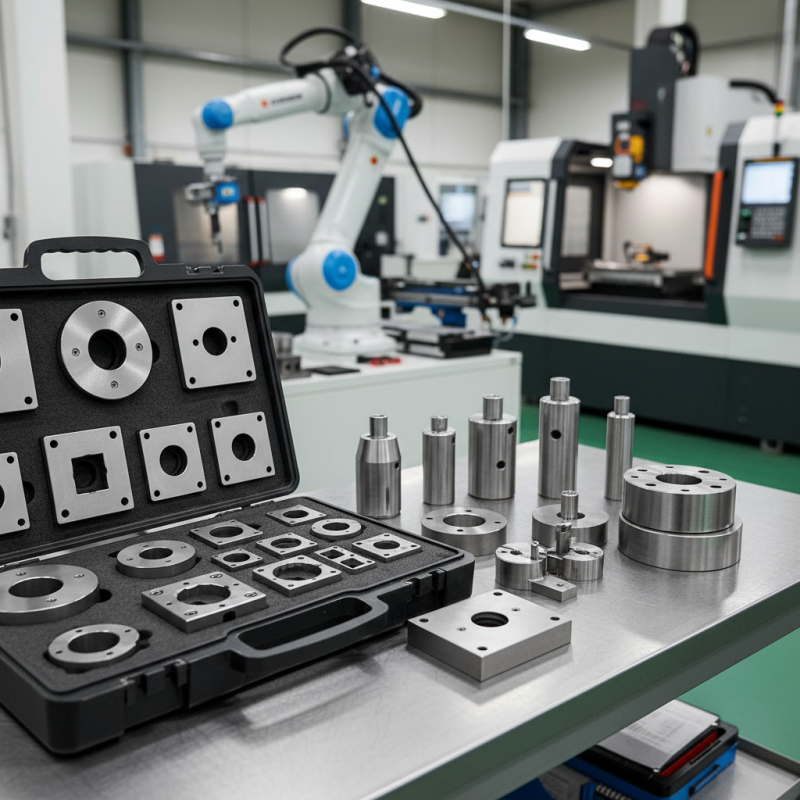
In the ever-evolving landscape of manufacturing, choosing the right tools can set your operation apart. A Die Punch Set emerges as an essential choice for many manufacturers. Its precision and durability can enhance production efficiency.
The Die Punch Set offers versatility, catering to a wide range of materials. This adaptability allows manufacturers to streamline their processes. However, not every set is created equal; quality matters significantly. Investing in a reputable Die Punch Set can yield better results. But sometimes, even well-known brands may fall short in specific applications, leading to frustration.
While the benefits are clear, the choice requires careful consideration. Understanding your specific needs is vital. Not all Die Punch Sets will meet those needs perfectly. Reflect on your manufacturing goals before making a decision.
Benefits of Using a Die Punch Set in Manufacturing Processes
Die punch sets are essential tools in manufacturing processes. They provide precision and consistency, which is crucial for high-quality production. Using a die punch set can significantly enhance your workflow. It allows for accurate cutting and shaping of materials, reducing waste. With each punch, you create uniform pieces that meet strict specifications.
Choosing the right die punch set can be confusing. There are many options available. It's essential to consider the material you’ll be working with. Metals, plastics, and composites each have specific requirements. Not all punch sets are suitable for every material. Getting it wrong can lead to inefficiencies and costly errors.
**Tip:** Always test your die punch set on scrap material first. This practice can save you time and resources. By understanding how your tools interact with different materials, you set yourself up for success.
Additionally, regular maintenance of your punch sets is vital. Over time, wear and tear can affect performance. Inspect the tools for damage. Sharpening or replacing worn parts can enhance their lifespan.
**Tip:** Keep a maintenance log. Document when you service your tools. This habit helps you track their condition and plan for replacements.
Understanding Different Types of Die Punch Sets Available
When it comes to manufacturing, selecting the right die punch set is crucial. There are several types available, each designed for specific applications. For instance, hand-operated die punch sets are ideal for small-scale jobs. They offer portability and simplicity. However, they require physical effort and are not suitable for high-volume production.
Hydraulic die punch sets provide more power and efficiency. They can handle thicker materials and reduce manual labor. These sets are often used in industrial environments. But they typically involve higher upfront costs. Finally, electric die punch sets combine speed with precision. They excel in high-volume tasks, yet can be complex to operate.
Choosing the right type requires understanding your production needs. Assess the materials you'll be working with and the expected output. Cost considerations are also vital. While some sets may offer advanced features, they might not be necessary for all applications. Scrutinizing the practical aspects can lead to a more informed decision.
Why Choose a Die Punch Set for Your Manufacturing Needs?
| Type of Die Punch Set | Material | Applications | Advantages | Disadvantages |
| Manual Die Punch Set | Steel | Crafts, Light Manufacturing | Cost-effective, Simple to Use | Limited to Low Volume Production |
| Hydraulic Die Punch Set | Aluminum and Steel | Sheet Metal Fabrication, Automotive | High Efficiency, Consistent Results | Higher Initial Investment |
| Electric Die Punch Set | Steel | Large Scale Manufacturing | Fast Operation, Reduced Labor Costs | Requires Electrical Power |
| Pneumatic Die Punch Set | Aluminum and Steel | Heavy Duty Applications | Powerful and Efficient | Requires Compressed Air Supply |
Key Considerations When Selecting a Die Punch Set
When selecting a die punch set, several key considerations come into play. The material of the punch and die is crucial. High-speed steel (HSS) and carbide are common choices. Each offers different levels of durability and wear resistance. Industry reports indicate that HSS can last up to three times longer than traditional steel. However, carbide options can achieve even higher precision cuts. Understanding these differences can enhance production efficiency.
The size and shape of the die punch must align with the specific application. This involves evaluating the thickness and material of the workpiece. A recent survey revealed that mismatched punch sizes lead to a 30% increase in material waste. Ensuring the right fit can help to minimize scrap and improve overall productivity. Additionally, consider the ease of maintenance. A die punch set that is easy to clean and maintain will save both time and money in a manufacturing setting.
Lastly, the compatibility with existing machinery is vital. This often gets overlooked. A die punch set should seamlessly integrate into operational workflows. Compatibility issues can cause downtime, impacting production schedules. Addressing all these factors carefully will enable manufacturers to choose more effective die punch sets. It may seem straightforward, but many overlook these vital details. Investing time in selection pays off in the long run.
How to Maintain and Care for Your Die Punch Set
Maintaining a die punch set is essential for maximizing efficiency in manufacturing. A well-maintained punch set enhances precision and extends tool life. According to industry reports, regular maintenance can increase tool lifespan by up to 30%. This not only reduces costs but also improves production quality.
Cleaning your die punch set after each use is crucial. Dust and debris can affect performance. Use a soft cloth to wipe away residues. Additionally, check for any signs of wear on the cutting edges. If you notice irregularities, consider sharpening or replacing the tooling. Timely interventions can prevent costly downtime.
Tip: Lubricate your die punch set regularly to minimize friction. This helps maintain sharpness and enhances operational smoothness. Another useful tip is to store your set in a dry place. Moisture can lead to rust, compromising the integrity of the tools. Regularly inspect storage conditions to ensure optimal tool care.
Applications of Die Punch Sets Across Various Industries
Die punch sets are versatile tools widely used in many industries. They are key in creating precise shapes and holes in various materials. The automotive industry often utilizes die punch sets to manufacture parts such as brackets and housings. Accurate cuts are crucial here, as even minor variations can lead to significant issues.
In the textiles sector, die punches serve to cut fabric with utmost precision. This helps ensure that patterns align correctly during the assembly process, improving overall product quality. The food packaging industry also benefits from die punch sets. They create openings in packaging materials, enabling easier access to products for consumers.
Manufacturing processes need to adapt over time. Companies must analyze the efficiency of their die punch sets regularly. Sometimes, an outdated tool can hinder production. Therefore, staying informed about advancements in punch technology is essential. Even small changes can yield significant improvements. Embracing innovation helps meet the evolving needs of diverse industries.