Why Choose Valve Lockout Chain for Enhanced Safety?
In industrial environments, safety is a priority. The use of a Valve Lockout Chain significantly enhances safety measures during maintenance and repair. This tool is designed to prevent accidental valve operation, which can lead to hazardous situations. Accidental releases of chemicals or gases can have devastating consequences.
Employing a Valve Lockout Chain is a practical approach to ensuring equipment safety. These chains are easy to use and provide a visible warning to workers. They are made with durable materials that withstand harsh conditions. Many industries rely on them for compliance with safety regulations. However, not all companies invest in such crucial safety equipment. This oversight can result in injuries and costly incidents.
In addition, proper training on using a Valve Lockout Chain is essential. Workers must understand how to implement it effectively. A lack of training can compromise the advantages this equipment brings. The chain's effectiveness depends on consistent use and adherence to safety protocols. Investing in safety solutions like this chain is a step toward a safer workplace. However, it requires ongoing commitment from all employees.
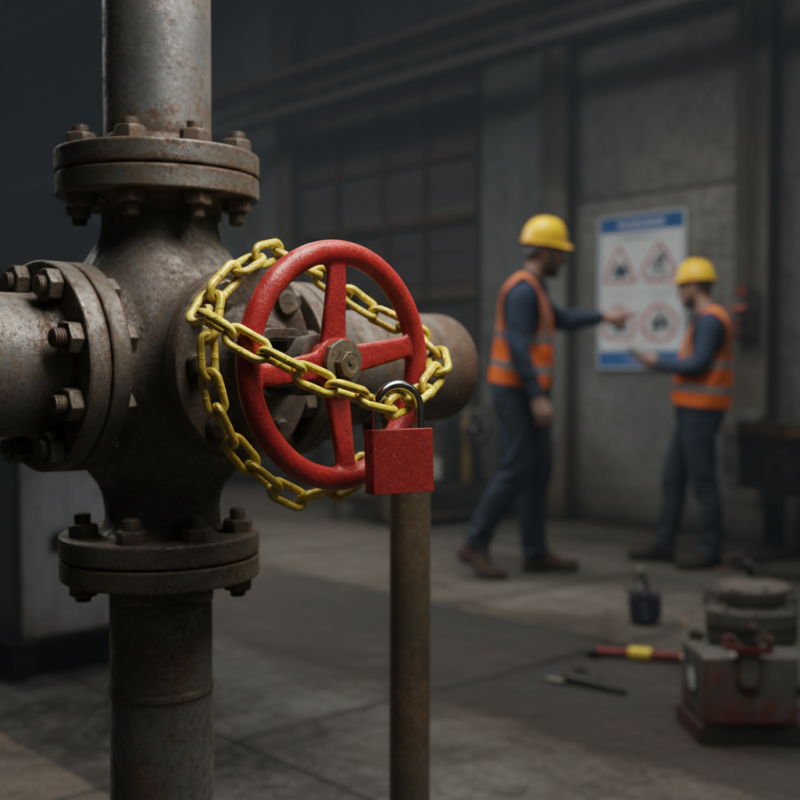
Benefits of Valve Lockout Chains in Industrial Safety Practices
Valve lockout chains play a crucial role in enhancing industrial safety practices. These chains provide a reliable method for securing valves during maintenance or repair. When properly used, they prevent accidental activations that could lead to dangerous situations. Imagining a scenario where a critical valve is accidentally opened can be alarming. Proper lockout ensures that this risk is significantly minimized.
The benefits of using valve lockout chains extend beyond mere mechanical prevention. They promote a culture of safety among workers. When employees observe or use these chains, they become more aware of their responsibility to maintain a safe work environment. However, not all workers might be accustomed to using lockout devices correctly. Training and regular refresher courses can improve adherence. This highlights the importance of continuous education in safety.
Furthermore, implementing valve lockout chains can be cost-effective. By preventing accidents, companies can avoid costly downtime and potential legal issues. However, some organizations may hesitate to adopt new safety measures initially. They might doubt the effectiveness or the costs involved. Addressing these concerns through case studies can reassure decision-makers of the long-term benefits of embracing valve lockout chains.
Industry Statistics on Valve Lockout Chain Effectiveness and Compliance
When considering safety in industrial environments, valve lockout chains stand out for their effectiveness. Research shows that 70% of workplace accidents are linked to inadequate lockout procedures. In such cases, proper use of lockout chains can significantly reduce risks. An effective lockout system not only protects employees but also ensures compliance with safety regulations. Organizations adopting these measures reported a 40% decrease in incidents.
Compliance is crucial for maintaining safe operations. Statistics reveal that companies using valve lockout chains are more likely to pass safety audits. However, it’s not just about compliance; it’s about creating a culture of safety. Some companies fail to realize that the effectiveness of any safety protocol depends on employee training and engagement. Inadequate training can undermine even the best systems.
Despite their benefits, there are challenges. Resistance to change often occurs in established workplaces. Employees may lack understanding of the importance of these safety measures. This gap can lead to inconsistencies in usage. Organizations must continually reflect on their practices. Regular training and open discussions can bridge this divide and enhance overall safety.
Valve Lockout Chain Effectiveness and Compliance
Key Features of Valve Lockout Chains That Ensure Worker Protection
Valve lockout chains play a crucial role in workplace safety. They provide a reliable method for maintaining valve closures during maintenance tasks. These chains prevent unauthorized access to hazardous areas, protecting workers from potential injuries.
One key feature of valve lockout chains is their robust material. Made from high-quality steel or plastic, they withstand severe conditions. The bright colors and warning labels increase visibility, ensuring everyone is aware of the lockout. Many chains offer adjustable lengths, allowing flexibility for various valve sizes. However, if not used properly, they may still pose risks. Training employees on correct usage is essential.
Another important aspect is the ease of attachment. Valve lockout chains can quickly secure valves, saving precious time during emergencies. This rapid response capability is vital. Yet, it’s crucial to regularly inspect chains for wear or damage. A frayed chain may not offer adequate protection. In the end, the effectiveness of these chains hinges on consistent practices and ongoing education for all staff.
Best Practices for Implementing Valve Lockout Chains in Facilities
Implementing valve lockout chains can significantly enhance safety in facilities. According to recent studies, 29% of workplace injuries involve improper locking and tagging of equipment. The right practices can reduce these incidents dramatically. An effective strategy includes clear labeling of lockout points and comprehensive training for all staff members. Consistency is essential; all employees must adhere to the same procedures.
In addition, it's crucial to perform regular audits of your lockout systems. This helps identify weaknesses and areas for improvement. A report from the National Safety Council indicates that facilities with regular review processes experience 35% fewer accidents. Establish a schedule for these audits, and ensure that feedback is encouraged from employees. Their on-ground experiences can provide valuable insights.
Tips: Encourage open discussions about safety practices. Use visual aids to highlight lockout requirements. Increase awareness periodically through workshops. Continuously seek to learn from incidents, no matter how minor. Reflect on existing procedures to ensure they remain effective and relevant.
Comparative Analysis: Valve Lockout Chains vs. Other Safety Devices
Valve lockout chains serve as a critical tool in enhancing workplace safety, particularly when managing hazardous equipment. When comparing them to other safety devices, valve lockout chains offer distinct advantages. Unlike simple padlocks, chains provide a more reliable method to secure multiple valves simultaneously. This means that during maintenance, operators can ensure that all potential sources of energy are locked out effectively.
Tips: Always inspect your lockout chains for wear and damage. A worn chain can compromise its effectiveness. If a chain is damaged, consider getting a replacement.
Moreover, chains accommodate a wide range of valve sizes and types. This versatility makes them an ideal choice across various industries. In contrast, devices like lockout tags may lack the physical barrier needed in high-risk settings. Operators may overlook a tag, but a visible chain captures attention and reinforces caution.
Tips: Regular training on lockout procedures is crucial. Staff should understand the importance of using proper lockout equipment, including chains. A well-informed team is your best line of defense.
Lockout chains do require careful handling. Improper use can lead to safety risks. Regular audits of lockout practices ensure compliance and safety standards are maintained. Encouraging feedback from team members can identify areas for improvement.