How to Choose the Best Basic Dyes for Your Products?
Choosing the right Basic Dyes for your products is crucial. These dyes play a significant role in determining the quality and appearance of your final product. Basic dyes offer vibrant colors and are easy to apply, making them popular in many industries. However, not all basic dyes are created equal, and selecting the wrong type can lead to disappointing results.
Consider the fabric or material you will dye. Some basic dyes work better on certain materials, while others may not adhere at all. It's essential to understand the properties of the dye, such as its lightfastness and washfastness. You might find that a dye’s vibrancy fades after multiple washes. This could affect your product's longevity and customer satisfaction.
Also, take into account the dyeing process itself. Factors like temperature and pH can influence how well a basic dye performs. Testing different dyes on small samples might reveal unexpected issues. Reflect on your findings and refine your choices. The right basic dyes can transform your products, creating a lasting impression in the market.
Understanding Basic Dyes: Properties and Characteristics
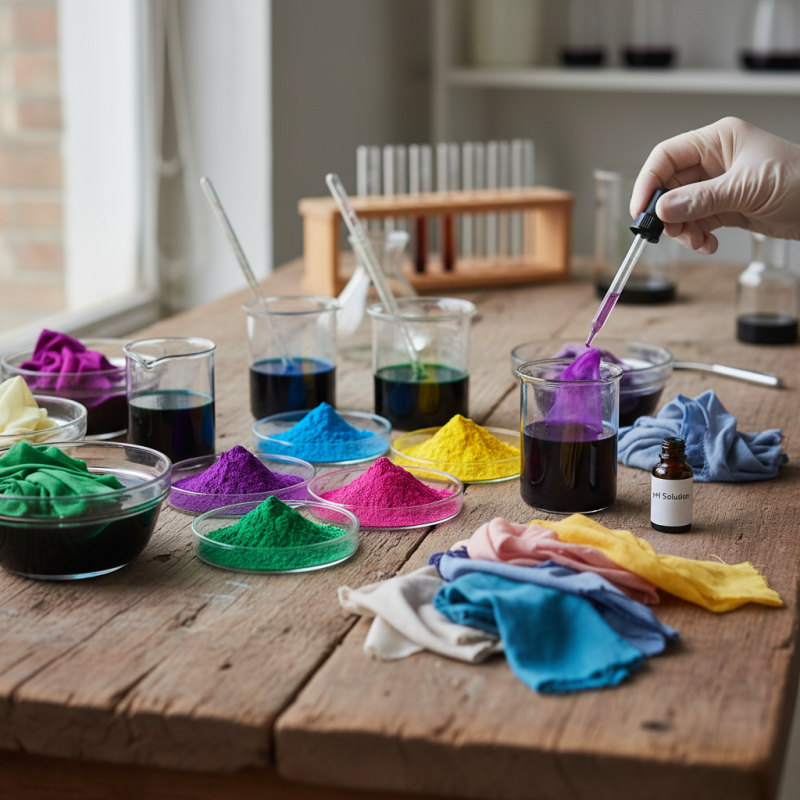
Basic dyes are popular for their vibrant colors and versatility. Understanding their properties is essential for achieving the desired results in various applications. These dyes are known for their ability to bond with fibers through ionic or electrostatic interactions. This bonding results in bright, long-lasting hues. However, it is important to note that basic dyes are primarily suitable for synthetic fibers, such as acrylic and nylon, rather than natural fibers.
One key characteristic of basic dyes is their solubility in water. This trait allows for easy application. However, it poses a challenge, as these dyes tend to fade when exposed to light or washing. This impermanence raises concerns for products requiring durability. Basic dyes require careful selection and testing to avoid potential issues during production. Reliability is paramount, especially when colorfastness is a critical factor.
In conclusion, when choosing basic dyes, consider their affinity for the fiber type, color stability, and intended use. Conducting thorough tests can help in understanding how a dye will perform over time. Each choice carries its own set of challenges, thus necessitating a thoughtful approach to ensure successful outcomes. Balancing vibrancy with longevity remains a central theme in dye selection.
How to Choose the Best Basic Dyes for Your Products?
This chart illustrates the essential properties of basic dyes that should be considered when selecting dyes for products. The percentage values indicate the relative importance or effectiveness of each property in terms of dye performance.
Identifying Suitable Fabrics for Basic Dyes
Choosing the right fabric for basic dyes is crucial for achieving desired results. Basic dyes tend to work best on synthetic fibers, such as acrylic, polyamide, and some polyester blends. According to industry reports, over 70% of textiles dyed with basic dyes are synthetics. These dyes offer vibrant colors and high solubility, making them ideal for bright, long-lasting applications.
Natural fibers like cotton or linen do not absorb basic dyes as effectively. The chemical structure of these fibers limits dye uptake. This can lead to uneven coloring, which is often frustrating for manufacturers. In fact, a study indicated that only about 30% of natural fibers can achieve a satisfactory dye absorption with basic dyes.
Additionally, consider the fabric’s texture and finish. Smooth fabrics tend to yield more uniform results. Rough textures can create variations that are undesirable. Remember that achieving the perfect shade may require experimentation. Some batches may not meet quality standards, revealing the importance of testing before large-scale production.
Assessing Color Fastness and Durability of Basic Dyes
When selecting basic dyes for your products, color fastness and durability are crucial. These factors determine how well colors hold up over time, especially when exposed to various conditions. When assessing color fastness, it’s essential to consider how dyes react to washing, light exposure, and other environmental factors. Testing through standardized methods can give you a clearer picture of a dye’s reliability.
Durability goes beyond initial color hold; it also encompasses how the dye interacts with different materials. Some dyes may appear vibrant on the label but can fade rapidly when used on specific fabrics. Real-life testing with samples can reveal unexpected results. It’s helpful to conduct both initial washes and prolonged exposure tests to fully understand a dye’s behavior.
Perhaps you find that some dyes bleed during washing but appear strong at first. Noticing these discrepancies can lead to reconsidering your choices. Evaluating color fastness and durability is an iterative process. It calls for a mix of expert advice, practical testing, and sometimes, a bit of trial and error to ensure you make informed decisions for your products.
How to Choose the Best Basic Dyes for Your Products? - Assessing Color Fastness and Durability of Basic Dyes
| Dye Type | Color Fastness Rating | Durability | Application Method | Ideal Substrate |
| Basic Blue 7 | 4-5 | High | Dyeing | Cotton |
| Basic Red 1 | 3-4 | Medium | Print | Nylon |
| Basic Yellow 28 | 5 | High | Dyeing | Silk |
| Basic Green 4 | 3 | Low | Dyeing | Polyester |
| Basic Violet 1 | 4 | Medium | Dyeing | Acrylic |
Comparing Different Brands and Types of Basic Dyes
When selecting basic dyes, it's essential to compare various brands and types. The dye's solubility in water and the depth of color it provides are paramount. Some basic dyes display vibrant hues, while others may appear washed out. Testing small swatches can reveal how the dye interacts with different materials.
Dye performance varies significantly across brands. Some brands may offer exceptional color fastness, while others may fade quickly. It's crucial to research and read reviews from trusted sources. User experiences can highlight potential issues, such as staining or uneven application. Keep an eye out for colors that bleed or change over time.
Understanding the dyes’ safety and handling is vital. Some may require special precautions, while others are more user-friendly. Consider your needs carefully; sometimes, a more expensive dye might save time and frustration in the long run. Experimentation helps to clarify which dyes work best for your specific projects. Every choice offers lessons for the future, guiding further selections.
Best Practices for Application and Usage of Basic Dyes
When working with basic dyes, understanding application techniques is crucial. Proper usage starts with selecting the right dye based on the material type. Different fabrics absorb dyes differently, affecting the final result. Always perform a test dye on a small fabric sample first. This helps gauge the color intensity and fastness.
Tips: Ensure your workspace is well-ventilated. Safety should be a priority when handling dyes. Wear gloves to avoid skin contact. Have water nearby for any spills.
Temperature affects the dye's effectiveness. Higher temperatures typically lead to better dye uptake. However, be cautious; high temperatures can damage some fabrics. Adjust the dye bath temperature according to the material’s specifications.
Tips: Stir the dye bath continuously. This helps distribute the dye evenly. Uneven stirring can lead to blotchy results. Keep an eye on the dyeing time. Over-dyeing can yield darker shades but can also compromise the fabric integrity. Always track your timing for consistency.