Why Choosing the Right Flotation Equipment Matters for Your Business?
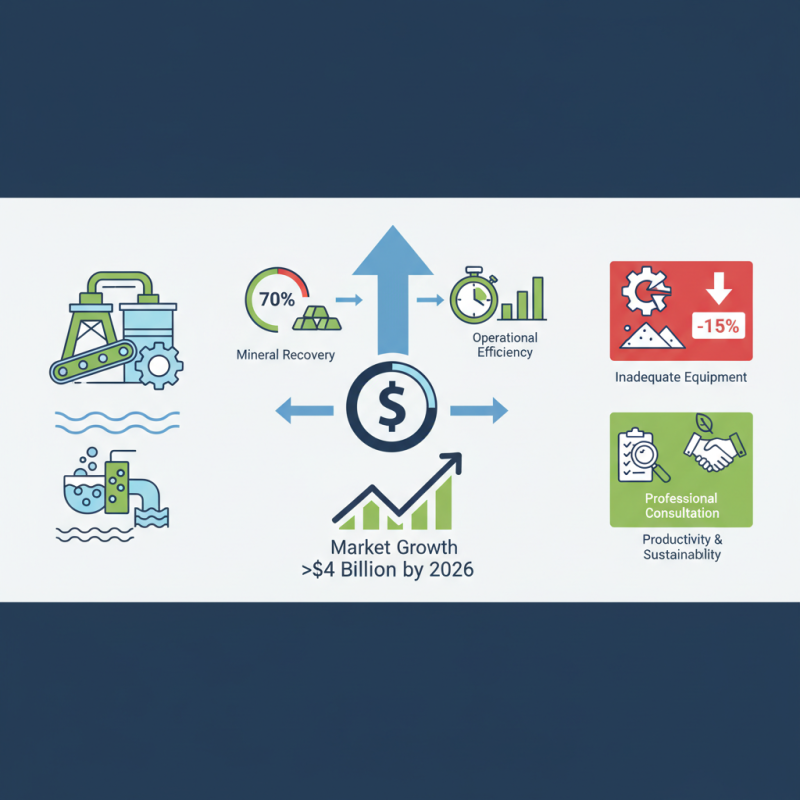
Selecting the right Flotation Equipment is crucial for operational success in various industries, particularly mining and wastewater treatment. According to a report by Research and Markets, the global flotation equipment market is projected to exceed $4 billion by 2026. This underscores the importance of making informed decisions when acquiring flotation systems.
Flotation Equipment impacts recovery rates and operational efficiency. Studies highlight that optimized flotation processes can enhance mineral recovery by up to 30%. However, the journey to achieving such performance isn’t straightforward. Many businesses struggle with equipment selection due to a lack of clear data or experience in flotation processes. It’s essential to understand the specific requirements of your operation to avoid costly mistakes.
Investing in inadequate flotation technology can lead to inefficiencies and increased operational costs. A case study from the Journal of Mining Science reveals that outdated flotation cells can result in recovery losses of 15% or more. This reality emphasizes the need for careful assessment and professional consultation when choosing flotation solutions. By aligning business goals with the right flotation equipment, companies can significantly enhance productivity and sustainability.
Importance of Flotation Equipment in Mining and Processing Industries
Flotation equipment plays a critical role in the mining and processing industries. It separates valuable minerals from waste rock through the flotation process. This method is essential for improving mineral recovery rates. According to a recent industry report, using advanced flotation technology can boost recovery rates by 10-20%. This increase can significantly enhance profit margins, especially in competitive markets.
Investing in suitable flotation equipment can directly influence operational efficiency. Poor choices may lead to increased downtime and lower recovery. For instance, outdated flotation cells might limit throughput, hindering production capacity. A study shows that optimizing the flotation process can reduce operational costs by up to 15%. These figures highlight the importance of selecting the proper equipment for specific mineral types and processing conditions.
Understanding flotation dynamics is vital. Equipment needs to match the characteristics of the ore being processed. Many companies struggle with this. They often overlook key variables, such as particle size and surface chemistry. These considerations are crucial for achieving optimal separation efficiency. Continuous monitoring and adjustments are necessary to ensure that processes remain effective. Companies must be willing to invest time and resources into selecting the right equipment and refining their flotation processes.
Key Factors to Consider When Selecting Flotation Equipment
Choosing the right flotation equipment is critical for any business involved in mineral processing. When evaluating options, consider efficiency first. The right equipment enhances separation processes, impacting overall productivity. A well-designed flotation system can significantly reduce operational costs. Efficiency translates to better yield and profitability.
Next, assess the capacity of the equipment. It is vital to match the flotation system's capacity with production needs. Oversized equipment may lead to unnecessary expenses, while undersized systems can cause bottlenecks. It takes expertise to gauge the ideal specifications. Moreover, flexibility matters. Equipment that adapts to varying feed conditions provides a competitive edge.
Another factor to reflect upon is maintenance requirements. In the long run, the reliability of flotation equipment is paramount. Choosing systems that are robust and easy to maintain avoids costly downtimes. Not all Flotation Machines are created equal, and some might require more frequent servicing. Understanding the trade-offs is essential for sustainability. Quality equipment can be a huge financial commitment, so careful reflection is necessary before making a decision.
Importance of Equipment Selection in Flotation Processes
Impact of Flotation Technology on Operational Efficiency
Flotation technology plays a crucial role in enhancing operational efficiency. Choosing the right flotation equipment can greatly improve recovery rates in mineral processing. Proper equipment reduces energy consumption and minimizes water usage, leading to cost savings. These factors can significantly impact your company's bottom line.
Operational efficiency in flotation often hinges on the design and materials of the equipment. For instance, using outdated technology might result in lower throughput. This could stifle production capabilities and increase operational costs over time. Moreover, some operations may overlook the importance of regular maintenance, which can lead to unplanned downtimes and reduced efficiency.
Identifying the right flotation system is not just about initial costs. It also involves considering long-term impacts on productivity. Inefficient systems might work adequately at first, but they often lead to future challenges. Businesses should engage in thorough research and consult experts to understand how flotation technology aligns with their specific needs. Making informed choices can lead to unexpected yet necessary reflections and improvements in processes.
Common Types of Flotation Equipment and Their Applications
Flotation equipment plays a crucial role in mineral processing and wastewater treatment. Understanding common types of flotation equipment and their applications can significantly impact operational efficiency. The most widely used types are mechanical flotation cells, column flotation cells, and dissolved air flotation units. Each serves different purposes and has unique advantages.
Mechanical flotation cells mix slurry with air to create bubbles. These bubbles capture valuable minerals. Research indicates that mechanical cells can achieve a recovery rate of over 90% in certain conditions.
Column flotation cells, on the other hand, utilize a tall vessel for better separation. They are often more efficient for fine particles. According to industry reports, these cells can improve recovery rates by up to 25% compared to traditional methods.
Dissolved air flotation units are essential in treating wastewater. They remove suspended solids effectively. Reports show a removal efficiency of 95% or more for certain contaminants. However, the choice of flotation equipment requires careful consideration of specific processes and materials. The wrong type can lead to lower recovery rates and increased operational costs, prompting businesses to rethink their equipment choices.
Cost Implications of Choosing the Right Flotation Systems
Cost implications of choosing the right flotation systems can be significant. The initial investment in flotation equipment can vary widely. Selecting the wrong system may lead to increased operational costs over time. Inefficient flotation processes can result in lower recovery rates. This directly impacts the profitability of your business.
Beyond the purchase price, maintenance costs also play a role. Equipment that requires frequent repairs can drain resources. Additionally, an ill-suited flotation system may require more energy to operate. High energy consumption can elevate utility bills. Flotation systems also influence the overall workflow of your operations.
Choosing equipment that matches your specific needs is crucial. Conducting a thorough analysis of your material and process requirements helps avoid costly mistakes. Working with consultants or experts in the field can provide valuable insights. A well-chosen flotation system can lead to long-term savings. It enhances operational efficiency and ultimately supports sustainable growth. Look beyond immediate costs; think about the future.