How to Choose the Best Trichlor Pool Chemical?
Choosing the right Trichlor Pool Chemical starts with more than comparing bucket prices. Look closely at the active chlorine percentage, tablet size, product labeling, and compatibility with your feeder. Trichlor tablets dissolve slowly and add cyanuric acid as they sanitize. That detail matters. If stabilizer levels climb, chlorine may become less effective, even when the water still looks clear.
Pool-care educator Rudy Stankowitz often emphasizes understanding the water chemistry behind product choices. In that spirit, this guide uses a practical reminder: “Choose a sanitizer by its chemistry and fit—not by price alone.” This is an editorial summary, not a verified verbatim quotation. The distinction matters, especially when readers rely on expert guidance.
A good selection also depends on pool volume, sunlight, swimmer use, and how often you test. Picture a sunny backyard pool after a busy weekend: tablets may be convenient, but convenience does not replace regular testing. Check free chlorine and cyanuric acid with a reliable kit, and follow the product label. Never mix pool chemicals, and store them dry and separate from incompatible products.
The best Trichlor Pool Chemical is the one that suits your pool’s measured needs and your maintenance routine. There is no perfect tablet for every pool. Even careful owners can miss a slow change in stabilizer levels; that deserves a second look. This guide will help compare common formats, understand trade-offs, and choose with clearer expectations.
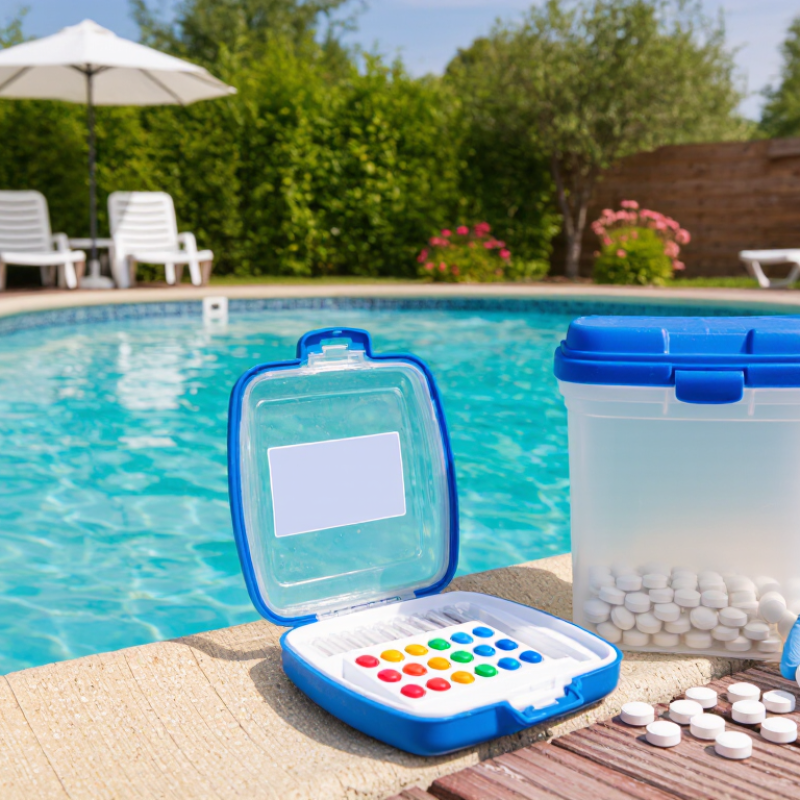
What Trichlor Pool Chemicals Are and How They Work
How to Choose the Best Trichlor Pool Chemical?
Trichlor pool chemicals are usually sold as tablets or sticks made from trichloroisocyanuric acid. In pool water, they release available chlorine, including hypochlorous acid, which helps control many harmful microorganisms. They also add cyanuric acid, a stabilizer that slows chlorine loss in sunlight. That matters. It can help outdoor pools maintain a steadier sanitizer level between checks.
Trichlor dissolves gradually, but its effects build over time. It is acidic, so repeated use may lower pool pH and total alkalinity. Check the active ingredient, tablet size, and whether the product suits your feeder. A tablet that dissolves too quickly can raise chlorine levels faster than expected. Small detail, big effect. Testing helps reveal what is happening, rather than relying on water appearance alone.
Tips: Use trichlor only as directed on its label, and test free chlorine, pH, and cyanuric acid regularly. Place tablets in a compatible feeder; avoid adding them directly to the skimmer unless the equipment instructions specifically allow it. Never mix pool chemicals. If readings drift, pause and reassess before adding more—the right adjustment is not always obvious.
How to Choose the Best Trichlor Pool Chemical? - What Trichlor Pool Chemicals Are and How They Work
| Selection Factor | What to Know | How It Affects Your Choice |
| Active ingredient | Trichlor is trichloro-s-triazinetrione, also called trichloroisocyanuric acid (TCCA). It releases chlorine as it dissolves and adds cyanuric acid (CYA) to the water. | Check the product label to confirm the active ingredient and its stated available-chlorine percentage. |
| Available chlorine | Many trichlor products contain about 90% available chlorine by weight; the exact labeled value can vary by product. | Compare the label and dose according to pool volume and test results rather than assuming all products have the same strength. |
| Form and dissolution | Trichlor is commonly sold as compressed tablets or sticks that dissolve gradually. Granular forms may also be available and should be used only as directed on the label. | Choose a form compatible with the equipment and application method specified by the product and feeder manufacturers. |
| Chlorine stabilization | The CYA released by trichlor helps protect chlorine from sunlight, but CYA accumulates because it is not consumed in the same way as free chlorine. | Test CYA regularly. If it becomes too high for your pool-care plan, reduce or stop stabilized chlorine use and follow local pool-care guidance. |
| Effect on pH | Trichlor is acidic and tends to lower pool-water pH and total alkalinity over time. | Monitor pH and total alkalinity, and adjust only after testing and according to accepted pool-care instructions. |
| Pool conditions | Slow-dissolving trichlor is often used for routine chlorination in pools with a compatible tablet feeder. It is not a universal fit for every pool or treatment need. | Consider current free chlorine, CYA, pH, pool volume, sunlight exposure, and the circulation system before choosing it. |
| Safe handling | Trichlor is a strong oxidizer. Never mix it with other pool chemicals, especially calcium hypochlorite, or combine different products in a feeder or container. | Keep it dry and in its original labeled container. Follow label directions, use appropriate protective equipment, and store it away from incompatible chemicals. |
| Application method | Concentrated trichlor can damage surfaces or equipment if used incorrectly. The permitted placement method depends on the product label and pool-system instructions. | Use only an approved feeder or application method. Do not place tablets directly on pool surfaces, and do not put them in a skimmer unless the product and equipment instructions explicitly allow it. |
Always follow the product label and test pool water before adjusting chemical levels.
Assess Your Pool’s Chlorine and Stabilizer Requirements
Before choosing a trichlor pool chemical, test free chlorine and cyanuric acid (CYA) with a reliable kit. Free chlorine indicates how much active sanitizer is available; CYA helps protect chlorine from sunlight. Check both, not just the chlorine reading. A cloudy afternoon or heavy swimming can change chlorine demand, so one test may not tell the whole story.
Trichlor adds chlorine and CYA as it dissolves. That can suit an outdoor pool with low stabilizer, steady chlorine demand, and a compatible feeder. But repeated use can push CYA higher than intended. Small details matter. Record test results over several weeks, along with how often you add tablets. If CYA keeps climbing, the water may need partial replacement, or a different chlorine source may fit better. More tablets are not always the answer.
Read the product label for dosage, feeder compatibility, and handling instructions. Never place tablets directly on a pool surface, where concentrated chemical can damage it. Keep trichlor separate from other chemicals, and avoid mixing products. Test after adjusting the dose, then let the water circulate before checking again. Test strips can be convenient, but readings near a decision point deserve confirmation with a quality kit. It is easy to focus on a crisp chlorine number and overlook stabilizer; that small oversight can make routine maintenance frustrating.
Compare Trichlor Tablets, Sticks, and Granules
Trichlor tablets, sticks, and granules contain the same basic sanitizer, but their shape changes how they are used. Tablets usually dissolve slowly in a compatible feeder or floating dispenser, making them practical for steady chlorination. Sticks are also slow-dissolving, but their size and fit vary. Check the feeder instructions; a stick should not be forced into equipment designed for tablets.
Granules can dissolve more quickly, but “quickly” depends on the product and water conditions. Their label may specify a particular application method. Don’t assume they belong in a skimmer or can be broadcast over a pool surface; concentrated chemical can damage surfaces or equipment. Small differences matter. I’d compare the directions, not just the price per container.
All trichlor forms add cyanuric acid and tend to lower pool pH. Test free chlorine, pH, and cyanuric acid regularly, especially during hot weather or frequent swimming. If stabilizer levels are already high, adding more trichlor may not be the right choice. Keep products dry and separate, and never mix trichlor with other pool chemicals. Check the product label for handling, dosage, and safe swimming conditions.
Evaluate Dissolving Rate, Strength, and Pool Compatibility
Trichlor tablets and sticks release chlorine gradually, but the dissolving rate varies with water flow, temperature, and feeder design. A slow dissolve can leave chlorine levels low during heavy swimming or hot weather. A fast dissolve may raise levels sooner than expected. Check the product label and test the water regularly; a test strip is useful, but a reliable kit gives a clearer reading. Test before adjusting.
Strength matters, too. Trichlor is concentrated and adds stabilizer, or cyanuric acid, as it dissolves. That stabilizer helps protect chlorine from sunlight, but it can build up over time. If levels rise too high, chlorine may work less effectively, even when a test shows chlorine is present. Keep records of stabilizer and chlorine readings. It sounds fussy, but it can prevent guesswork.
Consider pool compatibility before buying. Trichlor is acidic, so repeated use can lower pH and affect some surfaces or equipment if water balance is neglected. Use only a feeder or dispenser approved for trichlor, and never place tablets directly on the pool surface. Check the equipment manual, then monitor pH and alkalinity. Water conditions do not always behave neatly. Regular testing matters more than assumptions.
How to Choose the Best Trichlor Pool Chemical?
Compare typical available-chlorine content when evaluating sanitizer strength.
What to consider: Trichlor typically contains about 90% available chlorine and dissolves slowly in tablet form; actual dissolution depends on tablet size, water flow, and temperature. It is acidic and adds cyanuric acid (CYA) as it sanitizes, so monitor pH and CYA. Check your pool surface and equipment guidance, and never mix different pool chemicals.
Choose and Handle Trichlor Safely for Your Pool
Trichlor tablets are convenient for steady chlorination, but the right choice depends on your pool’s water readings and equipment. Check the product label for its chlorine concentration and use directions. Trichlor also adds cyanuric acid, which can build up over time. Test stabilizer levels before relying on tablets as your main sanitizer. A floating dispenser or compatible feeder can help control dissolution; check your equipment manual before choosing one.
Handle tablets with dry hands and wear chemical-resistant gloves and eye protection. Keep them dry. Store them in their original, closed container in a cool, ventilated place, away from children and pets. Never mix trichlor with other pool chemicals, especially other chlorine products. Use a dedicated feeder, and do not place tablets directly in the skimmer unless your equipment instructions specifically allow it. Concentrated chemical water can damage parts when circulation stops. Follow the label’s dosing and handling instructions.
Test free chlorine and pH regularly, and check cyanuric acid as well. Sunlight, heat, and swimmer load can change chlorine demand, so one fixed tablet schedule may not suit every pool. It is easy to focus on clear water and miss a stabilizer reading. If that level is already high, ask a qualified pool professional whether trichlor remains a suitable option.