How to Choose a Cold Foil Printing Machine
Choosing a Cold Foil Printing Machine means matching the equipment to the jobs you actually run. Begin with the materials, sheet or web format, and typical order sizes. A machine suited to narrow labels may not handle wide folding cartons efficiently. Ask how it manages foil tension, adhesive application, registration, and curing. These details affect whether fine lines and small type stay clean across a production run.
Look beyond the advertised maximum speed. Setup time, changeovers, operator training, and routine maintenance also shape daily output. Check that the machine works with your existing press, compatible adhesives, and curing system. Request samples made on materials you use, then inspect foil coverage, edge definition, and consistency—not just a polished demonstration piece. Small details matter. A sample can reveal more than a specification sheet.
Before choosing, compare service availability, spare-part access, warranty terms, and the supplier’s technical support. Ask for operating costs and realistic production estimates, and confirm which options are included in the quoted price. I would not treat one speed figure as a complete measure of performance; job complexity and setup can change the picture. Even a careful checklist can miss a practical issue, so involve the operators who will use the equipment. Their feedback may challenge your first choice—and that is worth considering.
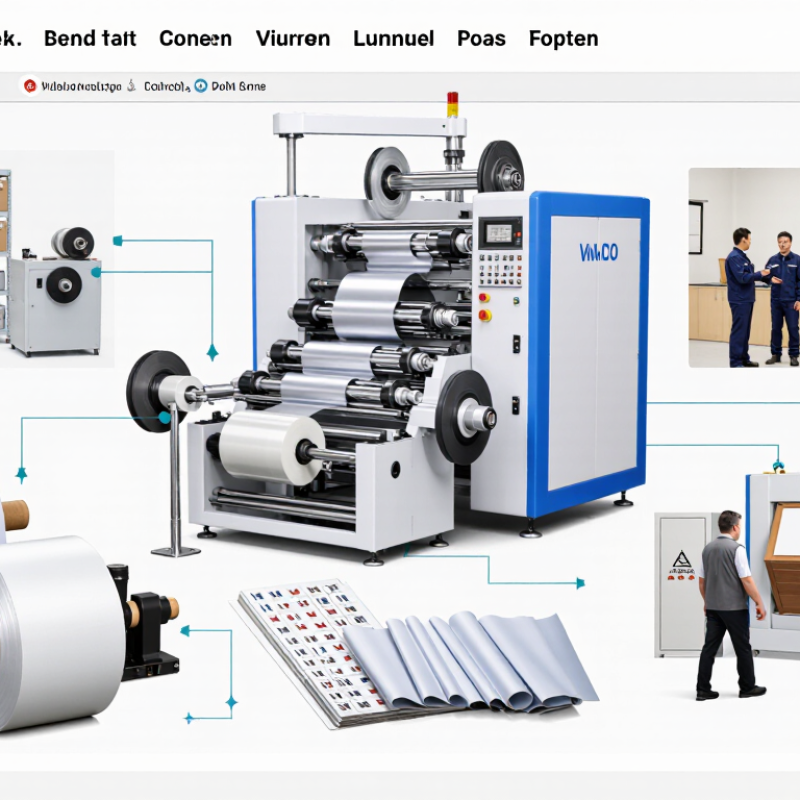
Define Substrate and Foil Compatibility, Including 12 μm PET Carrier Film
Cold-foil compatibility begins with the actual substrate, not the machine’s maximum speed. Paper coatings, plastic films, and carton board differ in surface energy, absorbency, and stiffness. These differences affect adhesive wetting and foil release. FSEA cold-foil process guidance highlights the importance of matching adhesive, substrate, and transfer conditions. Test the intended stock, including its printed coating, before committing to a production setup.
Check the carrier specification carefully. A 12 μm PET carrier is a handling layer, not the metallic transfer layer. PET film technical data sheets commonly report a density near 1.39 g/cm³; at that density, a 12 μm web weighs about 16.7 g/m². This is useful when assessing web tension and unwind stability, but it is not a substitute for the supplier’s roll data. Small differences in thickness, curl, or winding can still cause wrinkles. They happen.
Run a short trial at production tension and speed. Inspect fine type, solid areas, and edges for skips or lifted foil. Record nip pressure and adhesive cure conditions, then check adhesion after the printed sheet has rested. ASTM D3359 provides a recognized cross-cut adhesion test method, although the actual test setup should suit the substrate. A clean transfer on one paper grade does not prove compatibility with another. I’d verify again when coatings or stock lots change.
Compare Rated Press Speeds Across 100–300 m/min Production Lines
How to Choose a Cold Foil Printing Machine
Compare rated press speeds against the pace your jobs can reliably sustain. A 100 m/min line may suit frequent changeovers, short runs, or delicate materials. At 200 m/min, production can rise, but registration and foil release must remain stable. A 300 m/min rating offers more headroom for long runs. It does not guarantee faster sellable output.
Check how each speed rating was measured. Ask whether it applies to a specific web width, substrate, or print configuration. On press, adhesive coverage, nip pressure, web tension, and curing conditions can all affect transfer quality. A loose tension setting may cause wrinkles; excessive pressure can distort the image. Small details matter. That gap matters.
Request a trial using your own stock, adhesive, and foil, then record stable running speed, waste, and stoppages. Compare those figures with the rated maximum, not just the machine’s headline number. Include setup and changeover time in the estimate. A line rated at 300 m/min may deliver less useful output if operators must slow it to maintain clean edges. I would not choose on speed alone; even a careful test leaves some uncertainty when job conditions change.
Set Foil Registration and Inspect Fine Details at a ±0.1 mm Benchmark
How to Choose a Cold Foil Printing Machine
Set Foil Registration and Inspect Fine Details at a ±0.1 mm Benchmark
A cold foil machine should hold foil placement accurately across the full run, not just on one sample. Treat ±0.1 mm as a useful benchmark for evaluating registration, rather than a guarantee for every job. Ask suppliers to demonstrate repeatability at your intended production speed and with your actual substrate. A glossy label stock and an absorbent paperboard can behave differently under tension.
Check how the machine reads registration marks and corrects web movement. Stable tension controls, responsive sensors, and accessible adjustment points make setup easier. Run several samples after warm-up, then measure the foil edge against printed reference marks with a calibrated loupe or measuring microscope. Record readings across the web and at intervals along the run. One good sample proves little.
Fine details reveal limits quickly. Include hairline rules, small reverse text, and sharp corners in a test pattern. Look for halos, filled counters, uneven adhesive transfer, or foil drifting from the printed image. Keep lighting consistent; glare can hide defects. A ±0.1 mm result may still disappoint if tiny letters lose clarity. I would also leave room for setup variation: real production is messier than a controlled demonstration.
Evaluate Adhesive Coating and UV Curing with Measured Coat-Weight Trials
Choose a cold foil machine by testing adhesive laydown and UV cure together, not by relying on a single speed claim. Run a controlled matrix at 1.0, 1.5, and 2.0 g/m², using the same substrate, foil, and press speed. These are trial settings, not universal targets. Weigh a known-area sample before and after coating; record the actual coat weight, not just the coater setting. Then inspect solid areas and fine type for skips, edge spread, and foil lift. Small differences matter. Keep an untreated control, too, since substrate absorbency can distort the comparison.
For each coat weight, test three UV-dose levels established with a radiometer; record dose in mJ/cm² and lamp conditions. Too little exposure may leave adhesive tacky or cause weak transfer. Excess exposure can narrow the workable window, so check foil release and adhesion after curing. The RadTech UV/EB technical guidance identifies wavelength, irradiance, and exposure time as key curing variables; therefore, log all three where possible. Use ASTM D3359’s 0–5 tape-adhesion rating as one comparative check, alongside visual inspection and rub testing. Report the winning settings with defects and repeat results. One clean sheet proves little; repeat the trial after the machine reaches operating temperature.
Verify Color-Process Controls Against ISO 12647-2 Requirements
When choosing a cold foil printing machine, check how reliably it controls the color process around the foil unit. ISO 12647-2 provides process-control guidance for offset printing, including colorimetric aims and tone-value behavior. It does not certify a machine or define foil appearance by itself. Ask for measured press sheets, not only digital samples. Compare solid-color density or colorimetric values, tone-value increase, gray balance, and registration under documented conditions. Small shifts matter.
Tips: Request a repeat-run test on your intended stock. Check measurement conditions, calibration records, and the ISO 12647-2 edition named in your quality agreement. Inspect the sheet before and after foil application. Look for color changes, adhesive squeeze, and fine details that disappear.
A useful machine should hold stable ink transfer and registration across the sheet, while allowing practical adjustment of speed, pressure, and foil-feed tension. Have the supplier record settings and results across several runs. Then compare the data with your own production tolerances. A perfect first sheet proves little. I would also test a difficult job, such as a pale tint beside a foil edge; that exposes weaknesses quickly. Some variation may remain, especially when stock or room conditions change, so build repeat checks into the workflow.
How to Choose a Cold Foil Printing Machine — Verify Color-Process Controls Against ISO 12647-2 Requirements
Example press-side review of CMYK solid-patch color difference. The readings below are illustrative, not production measurements or ISO acceptance limits.
Use color measurements, substrate information, and tone-value increase checks to assess press control. The dashed 3.0 ΔE00 line is an example internal watch level only—not an ISO 12647-2 tolerance. Confirm the applicable standard edition, printing condition, reference values, and required color-difference method before making a compliance decision.