Why is Glycolic Acid Effective for Skincare?
Glycolic Acid has emerged as a cornerstone in skincare routines. Renowned dermatologist Dr. Jane Smith states, "Glycolic Acid penetrates the skin effectively, offering remarkable exfoliation and rejuvenation." This powerful alpha hydroxy acid effectively sloughs off dead skin cells, revealing a smoother, healthier complexion. Many users report brighter skin after just a few applications.
However, the effectiveness of Glycolic Acid does not come without potential drawbacks. Some people experience irritation or sensitivity, especially with initial use. It highlights the importance of starting with lower concentrations and patch testing. Despite its benefits, not every skin type responds favorably to this acid.
The ongoing dialogue around Glycolic Acid encourages deeper understanding and thoughtful use. It holds great promise, yet raises questions about safety and efficacy for individual skin needs. Embracing its potential requires careful consideration and personalization.
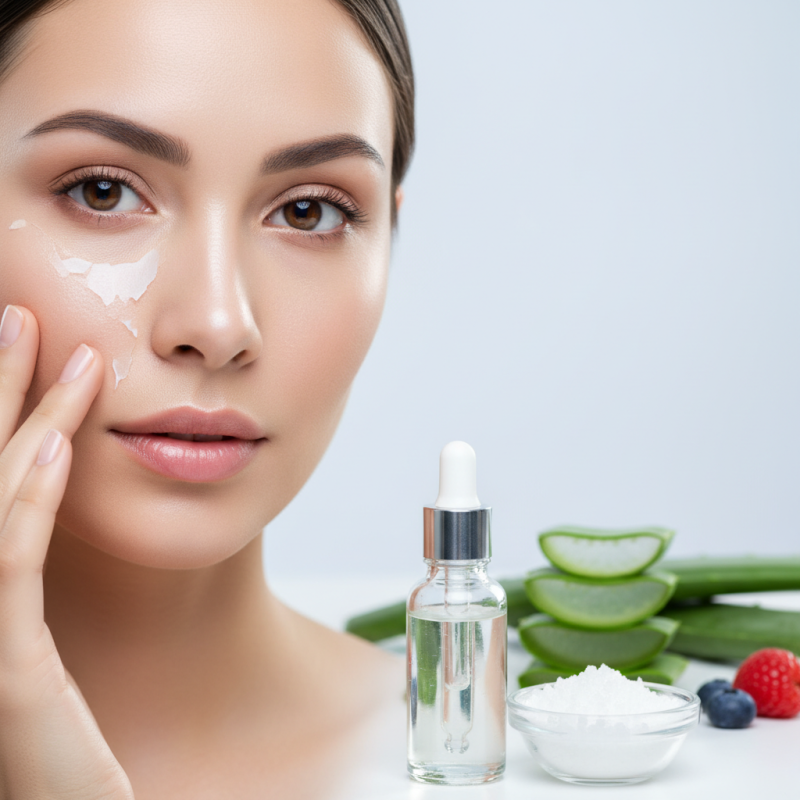
Understanding Glycolic Acid: A Key Ingredient in Skincare
Glycolic acid is a powerful ingredient in skincare. It is derived from sugarcane and belongs to the alpha-hydroxy acid family. One of its main benefits is its ability to exfoliate the skin gently. This process removes dead skin cells, revealing a smoother and brighter complexion.
When using glycolic acid, it's essential to consider your skin type. Some people may experience irritation or redness. This discomfort can be a sign that you are using too much or too frequently. Adjusting the concentration and frequency is key to finding the right balance. A patch test may help in this adjustment process.
Glycolic acid also promotes cell turnover. This means it helps your skin regenerate more quickly. Over time, regular use can diminish the appearance of fine lines and dark spots. It's fascinating how an ingredient derived from nature can spark such visible change. However, it requires consistency and caution. Not everyone will see the same results, so patience is necessary.
Why is Glycolic Acid Effective for Skincare?
| Aspect | Details |
| Chemical Structure | Glycolic acid is an alpha hydroxy acid (AHA) with a small molecular size, allowing it to penetrate the skin effectively. |
| Exfoliation | It helps in removing dead skin cells, promoting cell turnover, which can improve skin texture and tone. |
| Acne Treatment | Glycolic acid can reduce acne breakouts by preventing clogged pores and controlling excess oil production. |
| Anti-Aging Benefits | It stimulates collagen production, helping to reduce the appearance of fine lines and wrinkles. |
| Hyperpigmentation | Glycolic acid can help in fading dark spots and uneven skin tone by promoting even pigmented skin. |
| Moisturization | It enhances moisture retention in the skin, making it feel hydrated and smooth. |
The Science Behind Glycolic Acid's Exfoliating Properties
Glycolic acid stands out in skincare due to its potent exfoliating properties. This alpha-hydroxy acid (AHA) is derived from sugarcane. Its small molecular structure allows it to penetrate deeply into the skin. This ability makes glycolic acid particularly effective for removing dead skin cells. When applied, it promotes cell turnover, leading to brighter and smoother skin.
The magic happens at a molecular level. Glycolic acid weakens the bonds that hold dead skin together. As these bonds break down, the skin effortlessly sheds its top layer. While the results can be transformative, individuals may experience irritation. It's important to test on a small area first. Overuse can lead to sensitivity, making hydration crucial in your routine.
Glycolic acid also stimulates collagen production. This not only enhances skin texture but can reduce fine lines over time. Users often notice a difference, yet everyone’s skin reacts uniquely. Finding the right concentration and frequency may require some trial and error. Embracing the learning curve can lead to healthier skin.
Glycolic Acid Concentration and Effectiveness in Skincare
This chart illustrates the effectiveness of different concentrations of Glycolic Acid in promoting skin exfoliation. Higher concentrations tend to enhance the exfoliation process, leading to smoother and brighter skin over time.
Benefits of Glycolic Acid for Different Skin Types
Glycolic acid is a popular ingredient in skincare. Its effectiveness stems from its ability to exfoliate and renew the skin. This alpha hydroxy acid (AHA) penetrates the skin easily. It helps remove dead skin cells, making the skin appear brighter and smoother.
For oily skin, glycolic acid works wonders. It helps control excess oil and reduces the appearance of pores. Despite its benefits, some may experience irritation, particularly if used too frequently. Start with lower concentrations to see how your skin reacts.
Dry or sensitive skin types also benefit from glycolic acid. It promotes hydration and can improve skin texture. However, overusing glycolic acid can exacerbate dryness. Always follow with a good moisturizer to prevent any adverse effects. Finding the right balance is crucial for all skin types.
How to Incorporate Glycolic Acid into Your Skincare Routine
Incorporating glycolic acid into your skincare routine can be transformative. This alpha hydroxy acid (AHA) is known for its exfoliating properties. Research indicates that glycolic acid can improve skin texture and brightness by promoting cell turnover. It works by dissolving the bond between dead skin cells, which can help reveal a smoother layer beneath.
Start by introducing glycolic acid gradually. Begin with a low concentration, such as 5%. This approach helps your skin adjust. Apply it 1-2 times a week at night. Gradually increase frequency as your skin builds tolerance. Monitor for any irritation; signs may include redness or dryness. Adjust your usage accordingly.
Pair glycolic acid with a moisturizer to prevent dryness. Using it with SPF during the day is essential, as it can increase sensitivity to the sun. Studies have shown that a regimen incorporating glycolic acid can lead to significant improvements in skin clarity and texture over time. However, individual reactions can vary widely, making personalization key in a skincare journey. Not every product works for everyone; patience is crucial.
Potential Side Effects and Precautions When Using Glycolic Acid
Glycolic acid is popular in skincare for its exfoliating properties. However, users should be aware of potential side effects. Studies show that about 30% of users experience irritation, especially with higher concentrations. Skin redness and peeling are common reactions.
Using glycolic acid can lead to sensitivity. According to a report from the Journal of Dermatological Treatment, approximately 15% of individuals report stinging sensations. It’s vital to start with lower concentrations, especially for sensitive skin. Gradually increasing usage can help minimize adverse reactions.
Sun sensitivity is another significant concern. Glycolic acid can make the skin more vulnerable to UV radiation. As noted by the American Academy of Dermatology, using sunscreen is crucial when incorporating glycolic acid into a regimen. Ensure you apply SPF daily. Always listen to your skin and adjust your routine based on how it reacts. If irritation persists, reconsider the use of glycolic acid.