What is a Hand Retractable Spring Plunger and Its Uses?
In the world of precision engineering, understanding the functionality of a Hand Retractable Spring Plunger is essential. According to John Smith, an expert in mechanical design, “These plungers provide a simple, reliable mechanism for quick engagement and disengagement.” Their design allows for easy operation, making them indispensable in various applications, including machinery and furniture.
An ideal Hand Retractable Spring Plunger features a compact design and a reliable spring mechanism. This simplicity leads to less maintenance and higher reliability. Users can swiftly engage or disengage components without hassle. However, it is crucial to choose the correct size and material to ensure durability. Mistakes in selection can lead to performance issues or even mechanical failure.
The versatility of Hand Retractable Spring Plungers extends to numerous industries, some of which may be overlooked. While commonly used in assembly lines, they are also practical in everyday items like adjustable shelving. Reflecting on the myriad of applications, one can appreciate both their utility and the potential pitfalls in misapplication. This balance of utility and care illustrates the importance of informed decision-making in engineering processes.
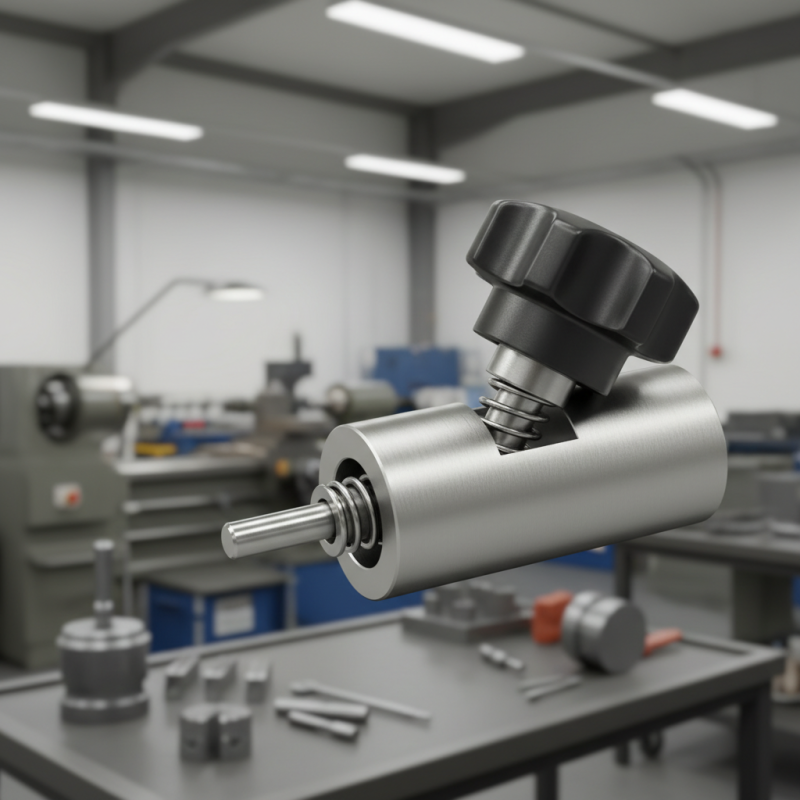
What is a Hand Retractable Spring Plunger?
A hand retractable spring plunger is a versatile fastener used in various applications. It consists of a plunger that can be manually retracted with a pin or knob. This design allows for easy engagement and disengagement, making it ideal for temporary fixtures. The plunger is typically spring-loaded, which provides a reliable mechanism for holding components together or aligning parts.
This tool is commonly found in manufacturing and assembly processes. For example, it can be used in jigs and fixtures to keep parts in place during machining. The plungers are also helpful in quick-release mechanisms, enabling workers to switch between tasks efficiently. In some cases, users may find they need to adjust the tension or replace the spring for optimal performance. These details, while minor, can impact the effectiveness of the device.
While hand retractable spring plungers are generally straightforward, some setups can be tricky. Misalignment during installation can lead to frustration. Users should ensure proper alignment to avoid unnecessary wear. Reflecting on experiences, many find that incorporating these tools enhances productivity but requires care in setup and maintenance. The right approach can lead to significant benefits in workflow and efficiency.
Components of a Hand Retractable Spring Plunger
A hand retractable spring plunger is a simple yet effective device. Its basic components include a plunger, a spring, and a housing. The plunger fits into the housing, allowing it to extend and retract. This mechanism controls the tension and movement, making it versatile in various applications.
The plunger is typically made of durable materials like stainless steel. The spring provides the necessary force for retraction. It often includes a locking feature that prevents accidental disengagement. This is crucial in applications where stability is essential. Proper selection of materials ensures longevity and reliability.
Regular maintenance is vital to the performance of these devices. Over time, springs can lose tension or wear out. Users should be aware of these issues and replace components as needed. In some cases, user error can lead to failure. Checking compatibility with specific applications can prevent frustration. Careful consideration of these factors can greatly enhance functionality.
How to Operate a Hand Retractable Spring Plunger
Operating a hand retractable spring plunger is straightforward and efficient. These devices are used in applications requiring precise positioning or locking mechanisms. To start, hold the plunger by its body. Ensure your hands are dry to maintain a solid grip. Press the button or handle downwards. This action compresses the spring within, releasing the locking mechanism.
When released, the plunger retracts smoothly and locks into position. This functionality is crucial in setups like jigs, fixtures, or any assembly tasks. Observing how the plunger interacts with surrounding components can reveal areas for improvement. Sometimes, alignment issues may arise, causing improper locking. In such cases, small adjustments to the fixture may be needed.
The versatility of a hand retractable spring plunger allows for various setups. These devices can adapt to diverse conditions and requirements. Before using, check for wear and tear. Over time, springs may fatigue, requiring replacement. Keeping a close eye on maintenance can help ensure longevity and reliability in operations.
Hand Retractable Spring Plunger Usage Statistics
This bar chart illustrates the frequency of hand retractable spring plungers used in various industries. Machinery leads the way with the highest usage, followed by automotive and furniture applications. The data highlights the practicality of spring plungers in diverse fields.
Common Applications of Hand Retractable Spring Plungers
Hand retractable spring plungers are versatile devices used in various applications. They consist of a plunger that extends and retracts with ease. These plungers help in precise positioning. Industries utilize them for quick adjustments and secure locking mechanisms.
In manufacturing, spring plungers play a key role in assembly processes. They provide rapid engagement and disengagement of components. This feature is crucial when time is of the essence. In woodworking, they help in jigs and fixtures. They hold materials firmly while allowing swift changes in setups.
Moreover, hand retractable spring plungers are often found in automotive applications. They secure panels and trim pieces effectively. However, it’s essential to select the right size and load capacity for your needs. Improper use can lead to malfunctions. Regular maintenance checks are necessary to ensure reliable performance. This reduces downtime and enhances productivity in any setting.
What is a Hand Retractable Spring Plunger and Its Uses? - Common Applications of Hand Retractable Spring Plungers
| Application | Description | Material | Load Capacity | Typical Usage |
| Machinery Locking | Secures movable machine parts in a fixed position. | Steel | Up to 500 N | Industrial machinery, CNC machines. |
| Tool Positioning | Holds tools in place during operation. | Aluminium | Up to 300 N | Workshop tools, jigs, and fixtures. |
| Height Adjustment | Allows for quick height changes in setups. | Plastic | Up to 100 N | Adjustable tables and work surfaces. |
| Safety Interlock | Prevents machinery operation when safety guard is open. | Stainless Steel | Up to 750 N | Safety devices in industrial equipment. |
Advantages of Using Hand Retractable Spring Plungers in Various Industries
Hand retractable spring plungers are versatile tools found in various industries. These devices provide quick engagement and disengagement in machinery setups. Their primary function is to secure or release components easily, enhancing efficiency in workflows. Craftsmen often rely on these plungers for tasks needing precision and reliability.
The advantages of hand retractable spring plungers are significant. They simplify operations, allowing users to toggle between locked and unlocked positions effortlessly. In manufacturing, this leads to reduced downtime during equipment adjustments. Their compact design takes minimal space, making them perfect for tight areas. However, regular maintenance is crucial. Neglecting wear and tear can lead to malfunction.
In automotive or aerospace applications, these plungers improve safety by securing parts during high-stress conditions. Industries benefit from their strong holding force yet easy release. Users appreciate their durability, but it's vital to choose the right size and material for specific tasks. Miscalculations can lead to inefficiencies or failures in demanding environments. Overall, while they offer great utility, careful consideration is still necessary for optimal performance.