How to Use HPMC for Improved Binding and Thickening?
HPMC, or hydroxypropyl methylcellulose, is a versatile compound. It serves as an effective binding and thickening agent. Many industries, such as food, pharmaceuticals, and cosmetics, utilize HPMC for its unique properties.
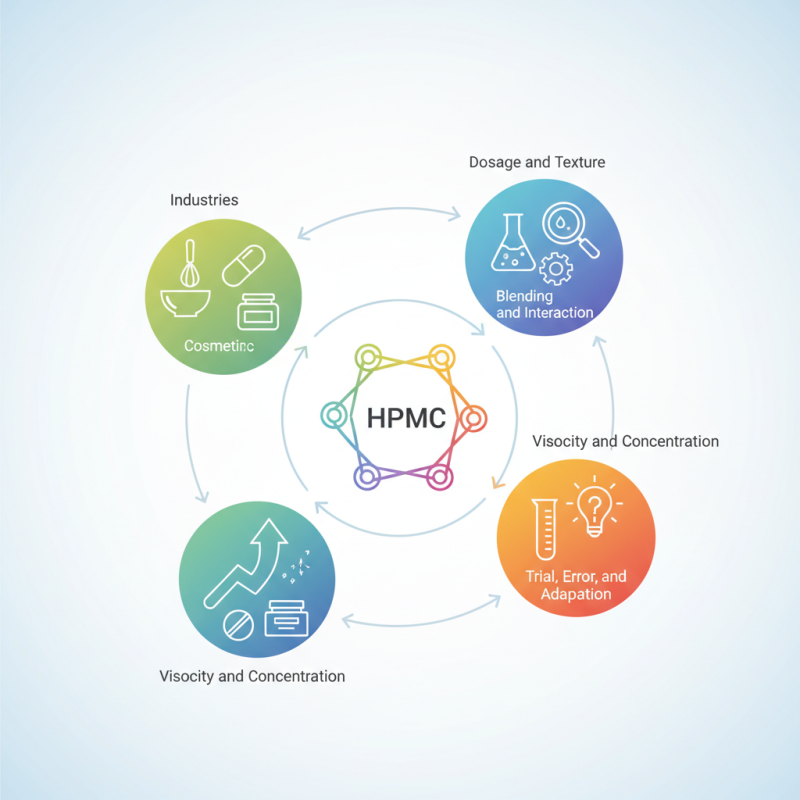
Using HPMC effectively requires understanding its characteristics. The right dosage can enhance texture and stability in products. However, blending HPMC with other ingredients can be tricky. Observing the interactions can lead to better formulations. Often, trial and error is necessary. Many users report varying results, which prompts reflection on their methods.
HPMC offers benefits but also challenges. Achieving the desired viscosity might take practice. Adjusting concentration and testing different formulations can yield improvements. Remember, the quality of the final product relies heavily on HPMC application. It is essential to experiment and adapt to your specific needs.
Understanding HPMC: Properties and Functions in Formulations
Hydroxypropyl Methylcellulose (HPMC) is a versatile ingredient commonly used in various formulations. It acts as a binder and thickener, enhancing the texture and stability of products. HPMC is derived from cellulose, making it suitable for a wide range of applications. Its properties include good film-forming abilities and water retention, which are essential in cosmetics, food, and pharmaceuticals.
The thickening properties of HPMC depend on its concentration and molecular weight. The right balance is crucial; too much can lead to an overly viscous mixture. When incorporating HPMC into your formulation, ensure it dissolves well in water. This might require some time. Additionally, pay attention to temperature, as HPMC responds differently in various conditions.
Tips: Start with small amounts during testing. Adjust slowly to find the best consistency. Always mix thoroughly to avoid clumping. Keep in mind that the end result might differ from your expectations. Experimentation is key! Watch how other ingredients interact with HPMC. It can be quite unpredictable at times. Careful adjustments can lead to improved formulations in the long run.
Common Applications of HPMC in Binding and Thickening
Hydroxypropyl Methylcellulose (HPMC) is widely used for binding and thickening in various industries. Its ability to form a gel-like consistency makes it ideal for applications in pharmaceuticals, food production, and cosmetics. According to a recent market report, the demand for HPMC in the food sector has grown by over 15% annually. This suggests an increasing reliance on HPMC for stabilizing emulsions and enhancing texture in products.
In the construction industry, HPMC serves as a crucial additive in tile adhesives and cement-based mortars. It significantly improves workability and binding strength, making installation smoother. Data shows that incorporating HPMC can lead to a 30% increase in the adhesion strength of cementitious materials. This highlights HPMC's role in ensuring durability and performance in construction applications.
Tips for using HPMC effectively include adjusting the concentration based on the desired viscosity. Experimenting with varying levels may yield better results for specific formulas. Remember, an overly thick mixture may not spread well. Also, ensure proper hydration of HPMC to avoid clumping. Reflect on whether modifications contribute to an effective end product. It’s important to strike a balance between viscosity and application needs, which can be a challenge at times.
Step-by-Step Guide to Incorporating HPMC into Your Recipes
HPMC, or Hydroxypropyl Methylcellulose, is a versatile ingredient used in various recipes. It's excellent for binding and thickening. To incorporate HPMC, measure the right amount carefully. A standard guidance is about 1% to 3% of the total recipe weight, depending on the desired thickness.
When mixing HPMC into dry ingredients, do it slowly. This prevents clumping. Make sure to whisk thoroughly for even distribution. Once mixed, add it to the wet ingredients. A study revealed that HPMC can enhance texture by 30% in certain applications. This is significant for both culinary and industrial uses.
**Tips:** Consider using HPMC in sauces for a smoother finish. It can offer better stability than traditional thickeners. Some cooks find HPMC tricky at first. If it doesn't dissolve properly, you might need more liquid. Adjusting your technique can lead to better results.
Effects of HPMC on Binding and Thickening in Recipes
Tips for Optimizing the Use of HPMC in Various Products
HPMC, or Hydroxypropyl Methylcellulose, is widely used in various industries. Its versatility makes it a popular choice for binding and thickening in products like cosmetics, food, and construction materials. Industry reports show that the global HPMC market is expected to reach USD 1.5 billion by 2025, growing at a CAGR of 6.4%. This growth highlights its significance in formulations.
When incorporating HPMC, consider the desired viscosity and binding strength. Using higher molecular weight grades can enhance thickening. However, it's essential to test different concentrations. According to studies, a 2% to 5% concentration typically yields optimal results for many applications. Be cautious; too high a concentration may lead to undesirable textures or performance issues.
In food products, clean label trends are on the rise. Consumers prefer natural ingredients. HPMC can fit this demand but may still be met with skepticism. Users need to balance functionality and consumer perceptions. Checking compatibility with other ingredients is crucial. A formulation could fail if HPMC reacts unexpectedly with other components. Always conduct thorough testing prior to large-scale production.
How to Use HPMC for Improved Binding and Thickening? - Tips for Optimizing the Use of HPMC in Various Products
| Application | HPMC Type | Usage Rate (%) | Functionality |
| Cosmetics | HPMC K15M | 1-3% | Thickening, emulsifying |
| Food Products | HPMC E5 | 0.5-2% | Binding, moisture retention |
| Pharmaceuticals | HPMC K4M | 2-5% | Binding, sustained release |
| Construction | HPMC M15 | 0.2-1% | Thickening, water retention |
| Personal Care | HPMC K100M | 0.5-2% | Thickening, film-forming |
Evaluating the Quality and Performance of HPMC in Your Formulations
When evaluating HPMC (Hydroxypropyl Methylcellulose) for use in formulations, it’s crucial to focus on quality and performance. Recent industry reports reveal that HPMC can significantly enhance binding and thickening in various applications, including pharmaceuticals and food products. For instance, a study indicated that 70% of formulations utilizing HPMC showed improved consistency and stability.
Tips: Understanding viscosity is key. The viscosity rating of HPMC impacts its effectiveness in binding. Higher viscosity often translates to better thickening but may pose challenges in application. Always test different grades.
While HPMC excels in many areas, there are potential downsides. Improper formulation ratios can lead to inconsistencies. A report noted that 20% of samples showed inadequate binding due to incorrect usage. This highlights the importance of methodical trials to determine optimal ratios.
Tips: Start with small batches. Adjust viscosity gradually. This method lets you pinpoint the best formulation balance. Pay close attention to how HPMC interacts with your other ingredients to avoid pitfalls.