What Is Plastic Manufacturing Industry and How Does It Work?
The plastic manufacturing industry turns raw polymers into practical products used in homes, hospitals, vehicles, and factories. Its work begins with material selection. Manufacturers may use thermoplastics, thermosetting plastics, or recycled resin, depending on performance requirements. Each material reacts differently to heat, pressure, moisture, and chemical exposure.
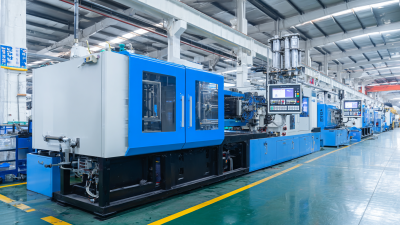
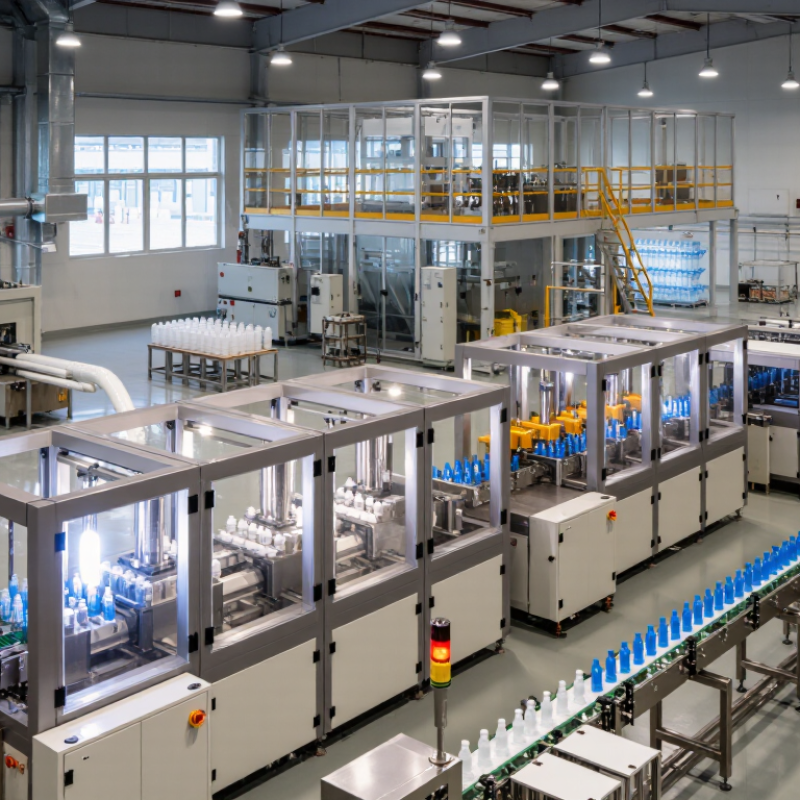
The process often includes compounding, melting, molding, cooling, trimming, and inspection. Injection molding can produce precise bottle caps, medical components, and automotive parts within seconds. Extrusion creates continuous products such as pipes, sheets, and films. Blow molding forms hollow containers by expanding heated plastic inside a mold. The equipment looks highly automated, but skilled operators still monitor temperature, pressure, cycle time, and surface defects.
Quality is not merely visual. Technicians may test strength, dimensions, impact resistance, and product safety. Reliable factories also track batch records and maintain calibrated equipment. These practices support consistent production and help identify problems before products reach customers. Environmental performance deserves equal attention. Efficient machinery, recycled feedstock, lightweight designs, and controlled scrap handling can reduce resource use, although no solution is perfect. Recycling some plastic products remains technically difficult.
This guide explains how the plastic manufacturing industry works, from polymer preparation to final inspection. It also examines common machinery, production methods, quality controls, and emerging improvements. Real factory conditions can vary widely. That variation matters. A process that works for one product may fail when materials, molds, or operating conditions change. Understanding those limits leads to safer, more informed decisions.
Definition and Scope of the Plastic Manufacturing Industry
The plastic manufacturing industry converts chemical feedstocks into polymer materials and finished products. Its scope begins with monomer production, polymerization, and resin preparation. It continues through compounding, extrusion, injection molding, blow molding, thermoforming, and recycling. Packaging, construction, healthcare, electronics, agriculture, and transport all depend on these processes.
The scale is substantial.
The OECD’s Global Plastics Outlook reported about 460 million tonnes of plastic production in 2019. It also recorded approximately 353 million tonnes of plastic waste that year, while only 9% was recycled. These figures show why the industry includes more than factory production. It also covers material design, quality testing, waste collection, sorting, and secondary processing. A molded component may pass through several specialized facilities before reaching a user.
In practice, manufacturers balance temperature, pressure, cycle time, and material moisture. Small process errors can create warping, weak joints, or visible surface marks. I have found that production efficiency often depends on details overlooked during early design. The boundaries are not perfectly clean. Some studies count recycling within manufacturing, while others classify it under waste management. The International Energy Agency has also identified chemicals and plastics as major drivers of future oil demand, linking production growth with energy and emissions concerns. Scope, therefore, should include both physical production and the environmental systems surrounding it.
Raw Materials and Plastic Formulation
Plastic manufacturing begins with raw materials, not machines. Most conventional polymers come from petrochemical feedstocks, which are processed into monomers such as ethylene, propylene, or styrene. These monomers form long polymer chains through chemical reactions. The OECD’s Global Plastics Outlook reports that worldwide plastic production rose from 234 million tonnes in 2000 to 460 million tonnes in 2019. That growth makes formulation decisions increasingly important.
Formulation combines the base resin with additives, fillers, pigments, or recycled content. A food container may need clarity and stiffness, while an electrical housing needs flame resistance and dimensional stability. During compounding, heat and shear blend these ingredients in an extruder. Small changes matter. Moisture can create bubbles, reduce strength, or damage appearance. Recycled feedstock adds another challenge because its melt flow and contamination levels may vary between batches.
Quality teams test viscosity, tensile strength, impact resistance, and thermal behavior before production approval. ASTM testing methods are commonly used to compare these properties under controlled conditions. UNEP estimates that more than 430 million tonnes of plastic are produced each year, yet formulation is still treated too often as a fixed recipe. It is not simple. A lower-cost additive may improve processing but weaken long-term performance. Engineers must balance material efficiency, product safety, recyclability, and actual factory conditions. The difficult part is admitting that laboratory results do not always predict performance on a busy production line.
What Is the Plastic Manufacturing Industry and How Does It Work?
Plastic manufacturing converts polymer raw materials into products through formulation, compounding, shaping, cooling, and finishing. The chart shows an approximate global production mix by polymer family in 2022.
How formulation works: A base polymer is combined with additives such as plasticizers, stabilizers, pigments, flame retardants, fillers, or reinforcing fibers. The final formulation determines properties including flexibility, strength, heat resistance, color, durability, and processing behavior.
Source: Approximate polymer-family shares based on global plastics production reporting for 2022; percentages are rounded.
Step-by-Step Plastic Production Processes
Plastic manufacturing starts with raw materials, usually polymer pellets, additives, and colorants. Operators inspect incoming materials before production begins. Moisture can weaken certain plastics, so drying is often necessary.
The process then follows several controlled steps. Pellets enter a heated barrel, where rotating screws melt and mix them. The material moves into a mold through injection pressure.
In extrusion, the melt passes through a shaped die to create continuous sheets, tubes, or profiles. Blow molding forms hollow products by stretching hot plastic with air.
Rotational molding uses heat and rotation to coat a mold evenly. Each method needs different temperatures, pressures, and cooling times.
Small changes matter.
After forming, workers remove flash, check dimensions, and inspect surfaces for bubbles, cracks, or uneven color. Production teams often test strength, impact resistance, and heat performance against documented requirements.
Recycling clean production scrap can reduce waste, but mixed materials remain difficult to separate. In practice, defects are not always caused by one setting.
Mold wear, moisture, cooling imbalance, and rushed adjustments can interact. That is why reliable factories record process data and review failed parts instead of hiding them.
Tips: Keep material batches clearly labeled. Dry moisture-sensitive pellets carefully. Measure mold temperature at several points. Inspect the first parts from every production run. Change one setting at a time. Document the result.
Applications, Waste Management, and Industry Challenges
Plastic manufacturing begins with polymer resin, heat, and carefully controlled pressure. Factories melt pellets, shape them through molds, and cool the finished parts. Injection molding creates containers, medical components, and automotive fittings. Extrusion produces pipes, films, and insulation. Blow molding forms hollow bottles and tanks.
Applications are broad, but waste management remains difficult. Production scrap can often return to the process after sorting and cleaning. Used plastic is more complicated. Food residue, mixed materials, and dark pigments may reduce recycling quality.
Mechanical recycling usually involves shredding, washing, melting, and remolding. Each cycle can weaken the material. Chemical recycling may process certain polymers differently, but its energy use and environmental performance require careful measurement.
The industry also faces rising pressure to reduce emissions, water use, and unnecessary packaging. Factories need reliable data on energy consumption, material losses, and recycled content. Small design changes can help, such as using one polymer instead of several bonded layers. Still, manufacturers sometimes choose cheaper materials that complicate recovery later. That trade-off deserves more honest reporting.
Recycling alone cannot solve every waste problem. Collection systems, consumer behavior, product design, and local infrastructure all influence the result. Some solutions look efficient in a factory trial but perform poorly at city scale. Industry decisions should therefore rely on verified testing, transparent claims, and long-term environmental assessments.