Essential Tips for Choosing a Bench Top Milling Machine?
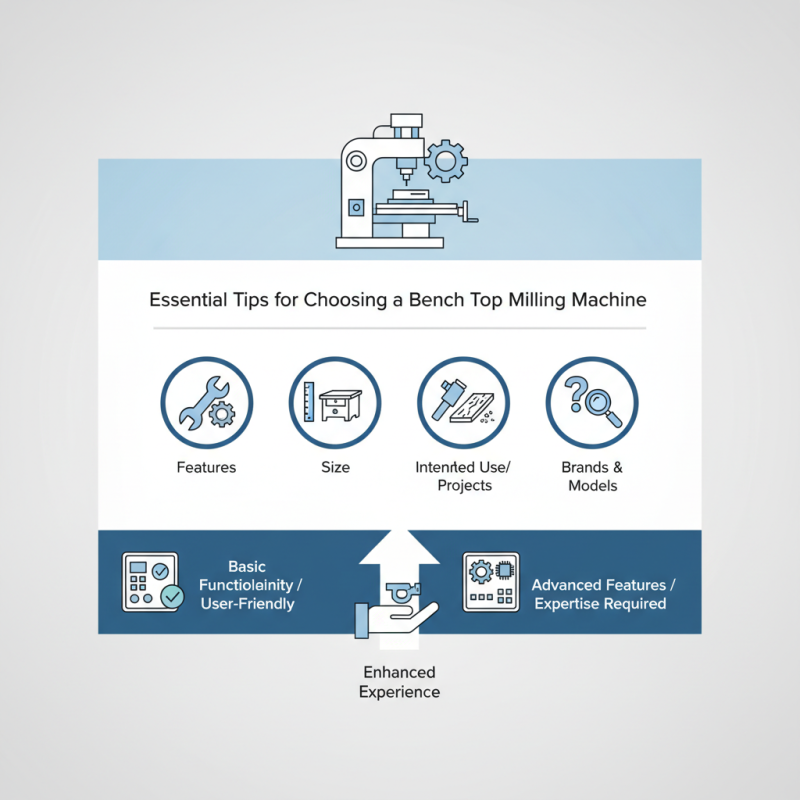
Choosing a Bench Top Milling Machine can be a daunting task. Many factors come into play. You'll need to consider the machine's features, size, and intended use.
When exploring options, think about the projects you'll tackle. A compact machine is perfect for small spaces. But it must also deliver power and precision. You'll face many brands and models. This can complicate your decision process.
Reflect on your specific needs. Do you require advanced features or basic functionality? Some machines are more user-friendly. Others may require more expertise. The right choice will ultimately enhance your woodworking or metalworking experience. Be sure to weigh your options carefully.
Understanding the Basics of Bench Top Milling Machines
When exploring bench top milling machines, understanding the basics is crucial. These machines are compact, designed for small workshops or home use. They can perform precise cuts and shapes on various materials. Many users appreciate their versatility. They can tackle tasks from metalworking to woodworking with ease.
One key factor to consider is the machine’s power. Higher wattage typically means better performance. However, if you’re a beginner, a less powerful option might be more manageable. It’s easy to feel overwhelmed by choices. Learning about RPM, feed rates, and tooling can help you feel more informed.
Don’t overlook the importance of safety features. A machine with poor safety measures can lead to accidents. Check for emergency shut-off buttons and protective guards. Reflecting on your skill level is vital. If you’re new, seek machines that offer ease of use and support. The wrong choice can lead to frustration and mishaps.
Bench Top Milling Machines: Key Features Comparison
Key Factors to Consider When Selecting a Milling Machine
When selecting a bench top milling machine, several key factors come into play. You need to think about size. Does it fit your workspace? Larger machines offer more stability and reach. However, they take up space. If your area is limited, a compact option might be best.
Weight also matters, especially when transporting or repositioning the machine.
Another important factor is power. Look for machines with adequate power to handle your materials. A lower power machine may struggle with tougher materials, leading to wear and tear. Speed settings are crucial too. Machines with variable speeds allow for more versatility in projects. This is an advantage for various milling tasks.
Lastly, consider the machine’s build quality. Cheaper models may require frequent repairs. Investing in a durable machine can save you money in the long run. It’s okay to feel a bit overwhelmed, as selecting the right milling machine often requires careful thought. Don't rush the decision; take your time to ensure it meets your needs.
Comparative Analysis of Different Milling Machine Brands
When selecting a bench top milling machine, brand comparisons are crucial. Industry data suggests that brand reputation significantly impacts performance and durability. According to a recent market analysis, around 30% of users report that brand influences their choice. This highlights the importance of examining various brands side by side.
Some brands excel in precision but may fall short in customer support. Others might offer great warranty terms but lack innovative features. For instance, research shows that 40% of users prioritize features like variable speed control. However, quality should not be compromised for additional functions. A notable percentage, about 25%, of consumers express regret after selecting a seemingly advanced model that lacked reliability.
User feedback often reveals discrepancies in expectations versus reality. Many report that usability features can be misleading. A machine that appears easy to operate may not be so in practice. The lesson here is that thorough research, including reviews and comparisons, is essential. Each user’s specific needs must guide the selection process. Understanding the nuances of different brands can ultimately lead to a more satisfactory purchase.
Essential Milling Machine Features and Specifications
When selecting a bench top milling machine, the features and specifications play a crucial role. Start with power. Higher wattage means better performance. Most machines range from 500 to 2000 watts. Consider the speed settings. Variable speeds enable versatility across different materials. A machine with adjustable speed can handle both soft and hard materials effectively.
Look at the table size. A larger table provides more working space. Consider stability as well. A sturdy base minimizes vibrations during use. This reduces errors in milling accuracy. Additionally, feed rate is important. Some machines offer manual and automatic feed options. Choosing the right feed can enhance productivity and efficiency.
Don't overlook safety features. Emergency stop buttons and protective covers are vital. They ensure a safer working environment. Additionally, check for ease of use. Some machines have complex setups that can be troublesome for beginners. A user-friendly interface can make a significant difference. Reflecting on these aspects will lead to a more informed choice. Balancing power, safety, and usability is key to finding the right machine.
Budgeting for Your Bench Top Milling Machine Purchase
When budgeting for a bench top milling machine, careful planning is essential. Start by determining your needs. Think about what types of projects you’ll undertake. Will you work with metals or wood? The material choice will influence your machine requirements.
Next, establish your budget range. Remember, a higher price often indicates better quality. Yet, sometimes expensive machines may lack desirable features. Consider buying used machines. They can be cost-effective, but ensure they are in good condition. Check for wear and tear.
Don’t forget to factor in additional costs. Tooling, maintenance, and even space for your machine matter. It can be easy to overlook small expenses, but they add up. Always keep some funds aside for unexpected repairs. This budget strategy may save you from future headaches. Reflect on your choices, and don’t rush into a purchase.
Essential Tips for Choosing a Bench Top Milling Machine - Budgeting for Your Bench Top Milling Machine Purchase
| Feature | Description | Price Range (USD) |
| Motor Power | Consider a motor with at least 1 HP for optimal performance. | $300 - $700 |
| Table Size | Select a table that fits your typical workpiece size. | $200 - $600 |
| Spindle Speed | Higher spindle speeds allow for better cutting performance. | $250 - $500 |
| Weight | Heavier machines provide more stability during operation. | $400 - $800 |
| Accessories | Look for machines that come with essential accessories included. | $100 - $300 |
| Warranty | Longer warranty periods provide peace of mind. | Included in price |