Top Tips for Successful Plastic Injection Molding Process?
Plastic injection molding is a vital manufacturing process used in various industries. According to a market research report by Mordor Intelligence, the global plastic injection molding market is expected to reach $400 billion by 2026. This growth highlights the importance of mastering this technique. However, success in plastic injection requires attention to detail and a deep understanding of the process.
Injection molding produces precise parts efficiently. Yet, manufacturers often face challenges like material wastage and inconsistent quality. A report from Plastics News indicates that nearly 30% of all molded parts may not meet specifications. This emphasizes the need for optimized process control and advanced techniques. Implementing best practices can significantly reduce defects and associated costs.
Furthermore, training and experience greatly enhance the effectiveness of the plastic injection process. Knowledgeable operators can identify common pitfalls. The industry continually evolves, introducing new materials and technologies. Keeping up with these trends is essential for maintaining competitiveness. Ultimately, a commitment to continuous improvement is crucial for success in the dynamic landscape of plastic injection molding.
Understanding the Basics of Plastic Injection Molding
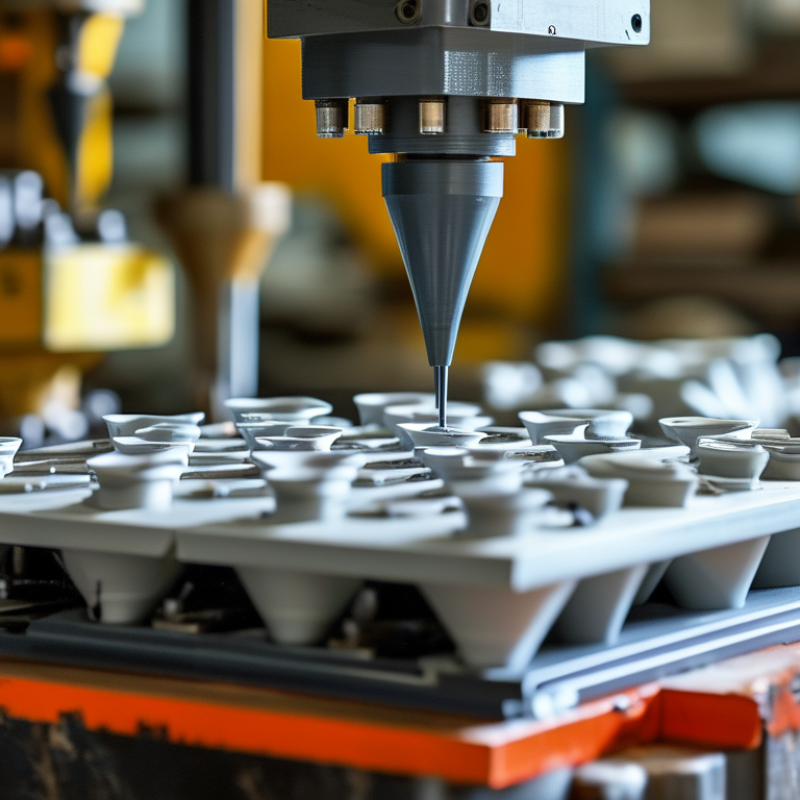
Plastic injection molding is a widely used manufacturing process. It transforms plastic pellets into intricate parts. This method is efficient and cost-effective, especially for large production runs. Understanding its fundamentals can significantly improve outcomes.
Temperature control plays a crucial role in this process. The melt temperature typically ranges from 350°F to 500°F (about 177°C to 260°C). If the temperature is too low, the material won't fill the mold adequately. If too high, it may degrade. A precision approach ensures consistent part quality.
Cycle times also impact productivity. Most injection molds operate on a cycle ranging from 10 to 30 seconds, depending on part complexity. Data shows that small adjustments in cycle time can yield significant production gains. However, rushing can lead to defects, revealing the fine balance between speed and quality. Effective monitoring and adjustments during production are essential to achieve optimal results.
Key Factors Influencing the Injection Molding Process
The injection molding process is influenced by several key factors that can significantly impact product quality. One critical aspect is material selection. Engineers must choose the right polymer based on mechanical properties and flow characteristics. A study from the Society of Plastics Engineers revealed that up to 70% of defects arise from improper material choices. This emphasizes the need for thorough analysis during the material selection phase.
Another vital element is process temperature. Maintaining optimal melt and mold temperatures can dramatically affect the final part quality. According to industry reports, deviations in temperature of just a few degrees can lead to warping or incomplete filling. It’s essential to utilize accurate temperature control systems to reduce variations. Yet, many manufacturers still struggle with inconsistent temperature management, reflecting a gap that needs addressing.
Cycle time is also a significant factor. Factors such as injection speed and cooling time can alter production efficiency and cost. A report from the Injection Molding Association suggests that optimizing cycle time could lead to a potential 20% increase in throughput. However, achieving balance is challenging, as pushing for faster cycles may compromise quality. Continuous monitoring and adjustments are necessary to enhance efficiency without sacrificing product integrity.
Essential Materials Used in Injection Molding
Injection molding relies heavily on the right materials to achieve optimal results. Common choices include thermoplastics, thermosetting plastics, and elastomers. Thermoplastics, like polypropylene, are popular due to their versatility. They melt easily, allowing for quick production cycles. This material provides strong, lightweight parts, but it can warp under high temperatures.
Thermosetting plastics, such as epoxy, are durable and heat-resistant. Once cured, they maintain their shape and strength. However, their application process is complex and must be managed carefully. Elastomers offer flexibility and resilience, making them suitable for seals and grips. They can withstand deformation, but selecting the right type is crucial to avoid performance issues.
Choosing the right material can be a challenge. Factors like cost, performance, and environmental impact play significant roles. Sometimes, trials are needed to determine the best fit. Research and testing can mitigate risks and improve the final product. Regular evaluations of material properties and supplier quality can reinforce product reliability and performance.
Top Tips for Successful Plastic Injection Molding Process
Common Challenges and Solutions in Injection Molding
Injection molding can present several challenges that affect production efficiency and product quality. One common issue is inconsistent part dimensions. This can result from improper material flow or temperature settings. Adjusting the mold design or tweaking the cooling process can help resolve these dimensional inconsistencies.
Another frequent challenge is air traps. Air entrapment happens when the cavity fills too quickly, leading to voids. This issue often requires careful analysis of the injection speed and pressure. Modifying these settings can enhance material flow, reducing the likelihood of air pockets and ensuring a flawless finish.
Additionally, identifying material degradation is crucial. High temperatures can weaken plastic properties. Regularly monitoring temperature variations in the injection system can prevent this. Always document the process and learn from mistakes; embracing a culture of continuous improvement will ultimately enhance the injection molding process.
Best Practices for Quality Control in Injection Molding
Quality control in plastic injection molding is vital for producing high-quality parts. The process starts with careful selection of materials. According to industry reports, about 70% of defects in molded parts stem from material inconsistencies. Ensuring that materials meet specified standards helps reduce these issues significantly.
Monitoring temperature and pressure during the injection process is essential. Research indicates that temperature deviations can lead to warping or incomplete filling. Regular checks can help maintain optimal conditions, mitigating potential defects. Additionally, implementing in-line measurements can catch errors early, preventing waste and cost overruns.
Final inspection processes should not be overlooked. Visual checks for surface defects can reveal issues like sink marks or flash. Data shows that approximately 60% of quality issues arise during this stage. Investing in training for inspection teams ensures they can identify subtle flaws that might otherwise go unnoticed. Continuous improvement practices can enhance product consistency over time.
Top Tips for Successful Plastic Injection Molding Process
| Tip |
Description |
Best Practice |
Quality Control Method |
| Material Selection |
Choose the right plastic material for the specific application, considering factors like strength, flexibility, and temperature resistance. |
Conduct thorough research and testing of materials. |
Material batch testing for consistency and performance. |
| Mold Design |
Optimize mold design to reduce cycle time and improve part quality. |
Utilize computer-aided design (CAD) tools for precise mold creation. |
Dimensional inspection of produced parts against specifications. |
| Process Parameters |
Adjust injection speed, pressure, and temperature to suit the material and part design. |
Perform trial runs to establish optimal parameters. |
Regularly monitor temperature and pressure gauges. |
| Cooling System |
Ensure effective cooling to prevent warping and maintain part integrity. |
Design cooling channels to improve heat dissipation. |
Temperature checks and maintenance of cooling lines. |
| Regular Maintenance |
Perform regular maintenance on injection molding machines to ensure reliability. |
Implement a scheduled maintenance program. |
Document service records and checklists for compliance. |
| Quality Inspection |
Implement inspection at various stages of the production process. |
Use statistical process control (SPC) techniques. |
Conduct dimensional and cosmetic inspections of finished parts. |