Top 10 Benefits of Waterjet Cutting Machinery for Your Business?
In the modern manufacturing landscape, waterjet cutting machinery stands out as a revolutionary tool. Its capability to cut various materials with precision is unmatched. Many businesses overlook the advantages of this technology, often focusing on traditional methods. However, waterjet systems bring unique benefits that can enhance production efficiency and quality.
One remarkable feature of waterjet cutting machinery is its versatility. It can effortlessly handle metals, glass, and even soft materials like foam. This adaptability opens doors to diverse industries. Additionally, the cutting process is cold, meaning there's minimal thermal distortion on the materials. This characteristic ensures that products maintain their integrity after cutting.
Investing in this technology requires careful consideration. Initial costs are higher than some conventional tools. However, the long-term benefits can outweigh these concerns. Businesses may find themselves producing better products faster, ultimately leading to increased profits. The importance of reflecting on these advantages cannot be underestimated in today's competitive market.
Benefits of Precision Cutting: Enhancing Product Quality with Waterjet Machinery
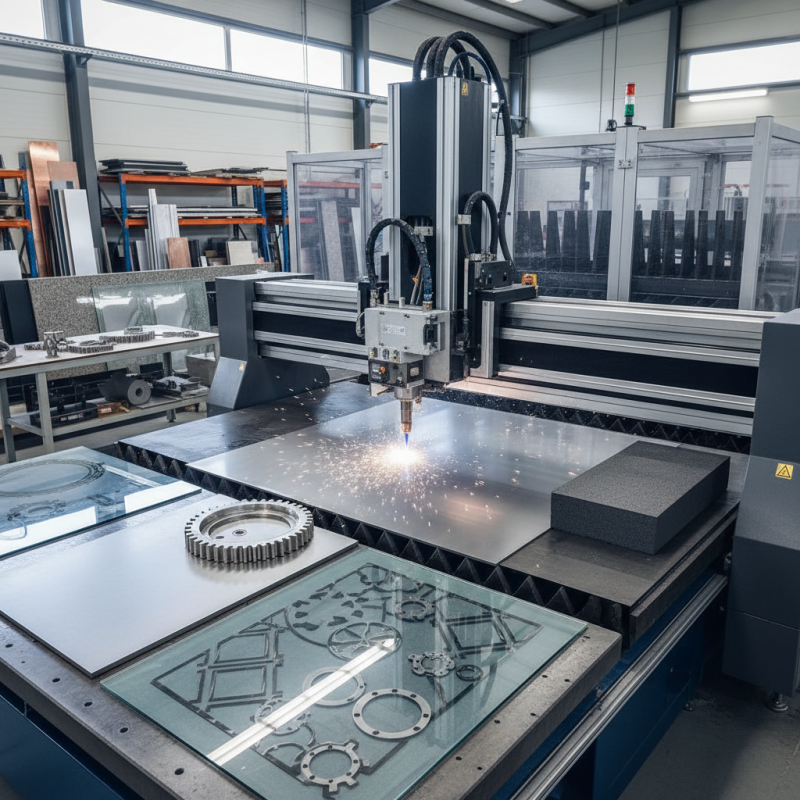
Waterjet cutting machinery is transforming manufacturing. It provides unparalleled precision, impacting product quality significantly. When it comes to intricate designs, waterjet technology excels. It can cut through a variety of materials, including metals and composites. The result is clean edges and flawless finishes, which are crucial for high-quality products.
However, achieving precision doesn't come without challenges. Operators must be trained to manage the technology effectively. Minor errors can lead to material waste and increased costs. Thus, attention to detail is essential. Nevertheless, when used correctly, waterjet cutting delivers impressive accuracy. It also allows for complex shapes that other methods cannot achieve.
In addition, the speed of waterjet cutting can elevate production rates. Businesses can meet tighter deadlines without sacrificing quality. Yet, maintenance of the machines is vital for consistent performance. A lack of regular checks can lower efficiency and precision over time. Waterjet technology represents a powerful tool, but it requires commitment and reflection to maximize its benefits.
Cost Efficiency: How Waterjet Cutting Reduces Material Waste by Up to 50%
Waterjet cutting technology is revolutionizing manufacturing. One major benefit is its cost efficiency. Businesses that adopt waterjet cutting can reduce material waste significantly. Studies show that material waste can drop by up to 50%. This reduction directly impacts the bottom line. Less waste means lower material costs. Companies can reallocate these savings into other areas of production.
Additionally, waterjet cutting produces clean edges. This minimizes the need for extra finishing work. A 2019 report from an industry analyst noted that companies that switched to waterjet cutting saw an average saving of 30% on labor costs associated with finishing. However, while waterjet cutting is efficient, the initial investment in machinery may deter some businesses. It’s crucial to balance upfront costs with potential long-term savings.
The technology also has limitations. It may not be suitable for all materials, particularly harder metals or high-volume projects. Some companies find that the slower cutting speed impacts production timelines. These factors should be considered when evaluating waterjet cutting. Overall, while the benefits are clear, businesses must weigh them against specific project needs and budgets.
Top 10 Benefits of Waterjet Cutting Machinery for Your Business
| Benefit | Description | Material Waste Reduction (%) |
| Cost Efficiency | Waterjet cutting minimizes the waste of materials by accurately cutting shapes and contours. | Up to 50% |
| Versatility | Compatible with a wide range of materials including metal, glass, and stone. | N/A |
| Precision Cutting | Offers high precision with minimal kerf width. | N/A |
| No Heat Affected Zone | Eliminates thermal distortion present in other cutting methods. | N/A |
| Environmentally Friendly | Uses water and garnet abrasive, reducing aviation of harmful chemicals. | N/A |
| Lower Tooling Costs | No need for specialized cutting tools, reducing maintenance and replacement costs. | N/A |
| Safety | Reduces the risk of fires or burns as there are no high heat processes involved. | N/A |
| Speed | Quickly processes materials without waiting for preheating as in laser cutting. | N/A |
| Intricate Designs | Can easily cut intricate and complex shapes with tight tolerances. | N/A |
| Reduced Setup Time | Minimizes the need for complicated setups associated with other cutting technologies. | N/A |
Versatility in Materials: Exploring Waterjet Cutting's Compatibility with Diverse Substrates
Waterjet cutting technology has gained popularity due to its ability to work with a wide range of materials. From metals to glass, and even certain types of plastics, the versatility is striking. This process uses high-pressure water jets mixed with abrasives, allowing it to cut through dense and hard materials with precision. Industries from aerospace to architecture benefit from this adaptability.
One consequence of this versatility is the challenge of material selection. Each substrate reacts differently to the waterjet process. Finding the right balance between speed and precision can be difficult. For example, softer materials might warp under pressure, while harder substrates need more time to achieve clean cuts. The learning curve can be steep, and not all cuts are perfect the first time.
Moreover, waterjet technology requires regular maintenance, particularly when switching between materials. Different materials may cause wear on the cutting head or nozzles, leading to inconsistent results. Understanding these factors is essential for maximizing the benefits of the machinery. Waterjet cutting is indeed powerful, but careful planning and consideration are vital for achieving the desired outcomes.
Environmental Impact: The Eco-Friendly Benefits of Waterjet Technology in Manufacturing
Waterjet cutting technology stands out for its minimal environmental impact. Unlike conventional methods, it doesn’t produce harmful vapors or fumes. This feature makes it an eco-friendly choice in the manufacturing sector. Additionally, waterjet cutting uses water as a primary component, reducing waste and energy consumption.
This technology allows for precise material cutting without the need for extensive cleanup. Waste materials are often limited and can be recycled or reused effectively. However, some businesses may overlook water quality requirements or the energy needed for high-pressure pumps. Understanding these factors can enhance the overall sustainability of operations.
By adopting waterjet technology, manufacturers can meet eco-friendly standards while boosting efficiency. They can appeal to environmentally-conscious consumers. Though challenges exist, the potential benefits make it a compelling choice. There is always room for growth and improvement in sustainable practices.
Improved Safety: How Waterjet Cutting Minimizes Risks in the Production Process
Waterjet cutting technology offers significant safety improvements in production processes. This method reduces the risk of injury by eliminating hazardous materials. Unlike traditional cutting methods, waterjet cutting doesn't produce sparks or heat that could ignite flammable substances. The World Safety Organization reported a 30% decrease in workplace accidents when companies adopted waterjet systems. Such findings underline the importance of safety in manufacturing.
This technology also minimizes exposure to harmful dust and fumes. In environments where precision is key, cleaner air contributes to better worker health. A recent report from the International Cutting Association highlights that reducing airborne contaminants improves employee focus and productivity. Workers in cleaner environments tend to make fewer errors. It's a compelling argument for investing in waterjet technology.
However, the transition to waterjet cutting isn't without challenges. Initial costs can be high, and maintenance requires skilled workers. Companies may need to balance safety benefits with these logistical considerations. Investing in training for staff is crucial, but it may take time before the full benefits are realized. Each step in the transition should be thoughtfully assessed for long-term gains.