
Choosing a Brass Pipe supplier is not just a price comparison. A buyer needs to know what alloy is offered, how dimensions are controlled, and whether records match the shipment. A polished sample can look convincing. The certificate, thread finish, and measured wall thickness tell a fuller story.
Metallurgist David A. Scott has published extensively on copper alloys. A relevant insight, paraphrased from his work, is that alloy performance depends on composition and service conditions. That matters when comparing suppliers across markets. Brass grades, manufacturing methods, and inspection practices can differ. Ask for the exact alloy designation, dimensional tolerances, test documentation, and packaging details before placing a large order. Check how the supplier handles questions, too. A quick, specific answer is more useful than a glossy catalog.
Small details count. Inspect cut ends for burrs. Check that labels remain legible after transit. Confirm whether stock lengths and custom sizes are both available. Then compare lead times and shipping arrangements against your project schedule.
This Top 10 Brass Pipe Suppliers for Global Buyers guide is intended to help buyers make those checks consistently. It is not a substitute for reviewing technical documents or testing material for a critical application. Supplier claims deserve verification. Even a careful shortlist can miss something; that is worth admitting. Use the entries as a starting point, then confirm current product details directly with each supplier.
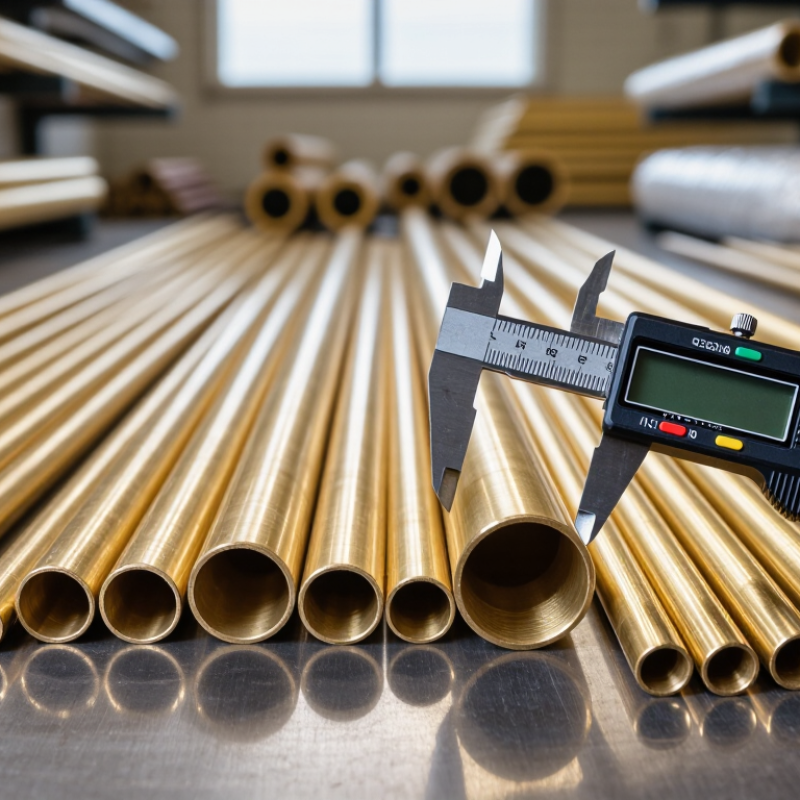
Brass pipes are copper-zinc alloy tubes valued for machinability, corrosion resistance in many environments, and dependable joining. Exact performance depends on alloy composition, temper, dimensions, and water chemistry. A pipe beneath a sink faces different demands from one carrying compressed air or serving a heat exchanger. Details matter.
Common uses include plumbing branches, HVAC coils, instrumentation lines, marine fittings, and industrial heat-transfer systems. Brass conducts heat well and can be formed into precise bends, helping fit compact equipment rooms. Its warm metallic surface also suits visible architectural connections. Yet brass is not universally suitable. Aggressive water, high chloride levels, or an unsuitable alloy can increase corrosion risks, including dezincification in susceptible grades. Test actual conditions.
Global buyers should compare pressure and temperature ratings, wall thickness, connection type, and material certificates—not just nominal diameter or price. Ask suppliers to identify the alloy and test method, then confirm that documentation matches the delivered batch. Requirements differ by market and end use, so check applicable standards and project specifications before ordering. A small mismatch can complicate installation. Sampling and inspection may add cost, but can reveal dimensional drift or surface defects before a shipment reaches the site. Brass is familiar, not foolproof.
Top 10 Brass Pipe Suppliers for Global Buyers
How to Evaluate Brass Pipe Suppliers
Choosing a brass pipe supplier takes more than comparing prices. Start with the pipe’s intended use, dimensions, alloy requirements, and operating conditions. Ask for current product data sheets and material test reports. Check that reported measurements match your specification, including wall thickness and outside diameter. Clear answers matter. Vague claims about quality deserve follow-up.
Evaluate production consistency, inspection methods, and traceability. Ask how the supplier handles out-of-tolerance pipes, delayed orders, and replacement requests. Review sample records or inspection documents when available. Confirm packaging protects pipe ends from dents and moisture during transit. A low quote may hide extra costs, but a polished brochure proves little. No checklist removes every risk; even careful buyers can miss a detail.
Tips: Request a sample before placing a large order. Compare its finish, dimensions, and documentation with the agreed specification. Ask for realistic lead times and written packing details. Keep communication in one email thread. It is easy to overlook small discrepancies, especially when specifications use different units. A brief technical review can prevent an expensive mismatch.
Use this scorecard to compare up to ten supplier candidates. It lists evaluation criteria rather than ranking named companies; confirm every specification, certificate, and capability directly with each supplier.
| No. | Evaluation criterion | What to verify | Useful evidence to request | Suggested weight |
|---|---|---|---|---|
| 1 | Material and standards fit | Confirm alloy designation, product form, temper, dimensions, and applicable standard against the intended service and destination market. | Written technical specification and a clear statement of the applicable standard. Depending on product and application, references may include ASTM B43 for seamless red brass pipe or EN 12449 for seamless copper and copper-alloy tubes for general purposes. | 16% |
| 2 | Dimensional capability | Check whether the supplier can meet required outside diameter, wall thickness, length, tolerances, and straightness. | Current dimensional-tolerance schedule, sample inspection report, and confirmation of available standard and custom sizes. | 12% |
| 3 | Quality management | Assess whether documented production and inspection controls are suitable for the order. Verify certificate scope and validity rather than relying on a logo alone. | Quality-system certificate, certificate scope, audit details where available, and documented inspection procedures. | 12% |
| 4 | Testing and inspection | Agree on the inspections and tests required by the purchase specification, product standard, and application. | Representative test reports and a sample inspection plan. Ask which tests are performed in-house and which are performed by an independent laboratory. | 10% |
| 5 | Material traceability | Determine whether delivered material can be linked to its production batch or heat and whether identification is maintained through packing and shipment. | Sample material test certificate, batch-marking details, and an explanation of how certificate records map to the shipped goods. | 8% |
| 6 | Production capacity and process control | Confirm that actual equipment and production processes suit the requested material, dimensions, quantity, and delivery schedule. | Process overview, available production range, capacity confirmation for the order, and details of subcontracted operations. | 10% |
| 7 | Lead time and delivery reliability | Compare quoted production and transit schedules, order milestones, and the supplier’s process for communicating delays. | Written delivery schedule, production updates, packing details, and references or documented performance data where available. | 10% |
| 8 | Export and destination-market readiness | Check whether packaging, shipping documents, labeling, and any applicable regulatory requirements are addressed for the destination. | Sample export document set and written confirmation of responsibilities for customs, freight, insurance, and destination-specific requirements. | 8% |
| 9 | Commercial transparency | Review quotation validity, minimum order quantity, payment terms, price basis, tooling or testing charges, and change-control terms. | Itemized quotation with currency, delivery term, included services, exclusions, and clearly stated payment and claim conditions. | 8% |
| 10 | Communication and after-sales support | Evaluate responsiveness, technical support, complaint handling, and the process for resolving nonconforming-product issues. | Named contact, response-time expectations, written claims procedure, and agreed corrective-action process. | 6% |
| Total suggested evaluation weight | 100% | |||
A regional mill may suit buyers seeking standard brass pipe sizes and repeat orders. Its strength is predictable production. A custom-drawing supplier can produce unusual diameters or wall thicknesses, though setup may take longer.
A broad-line stockist keeps common dimensions ready for dispatch. This can help urgent maintenance teams. An export-focused supplier often understands packing, shipping documents, and long-distance coordination. Check its experience with your destination and delivery terms.
An integrated producer may control more production steps, from billet preparation to finishing. Ask which processes happen in-house. A precision-focused supplier may offer tighter dimensional checks for machined assemblies. Request sample inspection records.
A small-batch workshop can be flexible with prototypes, but capacity may be limited. A regional distributor may provide local inventory and practical after-sales support. Its product range can be narrower.
A project supplier may coordinate pipe, fittings, and cut-to-length orders, reducing purchasing effort. Confirm that specifications match across items. Finally, a specialist in surface finishing can help meet appearance or corrosion-resistance needs. Finish alone is not a guarantee.
Compare alloy grade, tolerances, test documentation, minimum order quantities, and lead times. These profiles are useful starting points, not proof of performance; verify details with samples and written specifications.
Comparing brass pipe suppliers starts with the product, not the catalogue cover. Check alloy composition, outside diameter, wall thickness, temper, and available lengths against your drawings. Ask for a sample or recent inspection record when tolerances matter. A pipe may look identical on a shelf and behave differently during forming or service.
Certifications need careful reading. Confirm which standard applies to the pipe and the intended use, then request current certificates and traceable test reports. Check that the documents identify the production facility and relevant product range. A certificate alone does not prove every shipment matches your specification. Details matter. If a supplier answers technical questions vaguely, pause before treating that as a minor issue.
Export service can shape the real cost and schedule. Ask about protective end caps, moisture-resistant wrapping, bundle labels, and packing suitable for long sea journeys. Confirm lead times, minimum order quantities, shipping terms, and which export documents the supplier can provide. Request a sample packing list before production if your receiving team has strict requirements. No checklist catches everything. Even experienced buyers sometimes overlook local handling needs, so leave room to confirm details with the destination warehouse.
The chart compares nominal weight percentages for three widely used brass grades: C26000 cartridge brass, C36000 free-cutting brass, and C46400 naval brass. These representative values are for general product comparison, not purchasing specifications; actual composition limits depend on the applicable standard. When evaluating suppliers, confirm the required grade, mill test certificates, product dimensions, and export documentation.
Selecting a brass pipe supplier takes more than comparing unit prices. Start with your application: fluid, operating pressure, temperature, and required pipe dimensions.
Ask suppliers to state the alloy grade, outside diameter, wall thickness, and tolerances in writing. Small differences matter. A pipe that looks right may not fit a coupling.
Verify documents against the actual shipment. Request a material test report, batch or heat identification, and the applicable product standard. Check that report details match the quoted alloy and delivered lot.
If the order is large, consider a pre-shipment inspection or independent testing. Request a sample and measure it with a caliper; inspect for dents, uneven ends, and surface defects.
Compare production capacity, lead times, packaging, and communication, not just price. Supplier comparisons can get messy when quotes use different specifications—a mistake buyers can make, too.
Tips:
Ask for recent, batch-specific records rather than a generic certificate. Confirm how pipes are packed to prevent scratches and deformation during transit.
Keep one approved sample for comparison. If a supplier avoids clear answers, pause and clarify before paying a deposit.
Don’t guess.