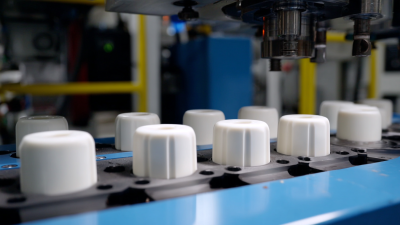
Choosing among China’s top injection machines manufacturers requires more than comparing prices and catalog photographs. A reliable decision begins with the machine’s actual performance on your production floor. Consider clamping force, injection speed, repeatability, energy consumption, mold compatibility, and maintenance access. These details affect cycle time, product consistency, and long-term operating costs.
Every factory has different priorities.
Experienced buyers often request sample runs before signing a purchase agreement. A test using the intended resin and mold can reveal pressure fluctuations, flash, cooling problems, or unstable cycle times. Ask for recorded test data, component brands, warranty terms, and a clear list of included services. Factory audits also matter. A clean assembly area, documented quality procedures, and trained technicians provide stronger evidence than promotional claims.
Still, no manufacturer is automatically the best for every application. A supplier specializing in small precision parts may not suit large automotive components. Another company may offer excellent engineering but weak overseas support. This comparison of China’s top injection machines manufacturers examines technical capability, customization, certifications, after-sales service, delivery reliability, and total ownership cost. It also considers practical feedback from users and observable factory standards.
Some published information may be incomplete.
Buyers should verify specifications independently and question unusually attractive offers. Transparent communication is valuable, but it does not replace testing. The right partner should explain limitations, recommend suitable configurations, and support the machine after installation. This guide aims to make that evaluation more practical, evidence-based, and relevant to real manufacturing decisions.
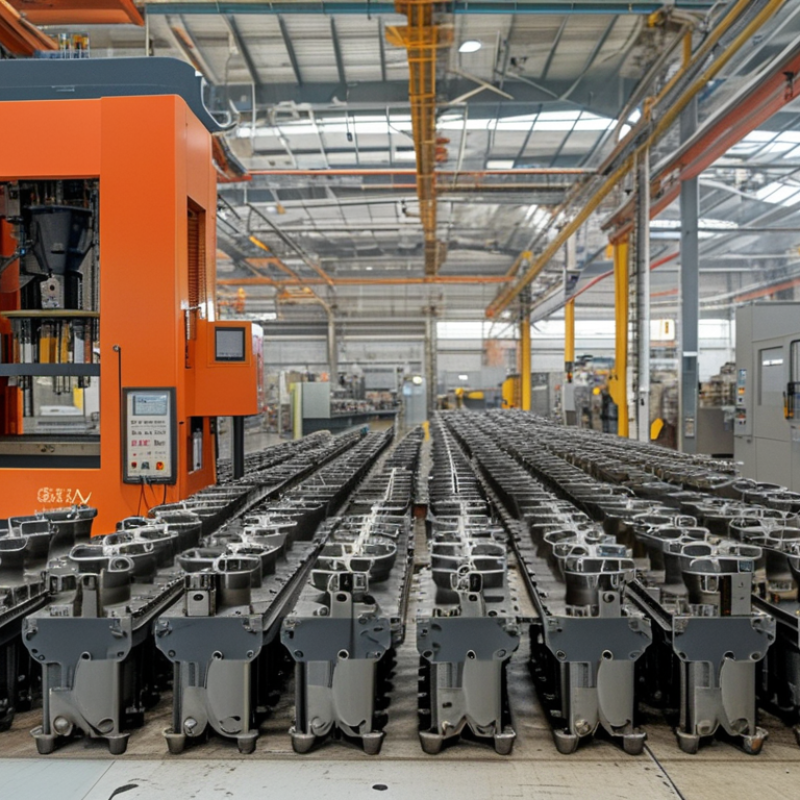
Choosing an injection machine starts with the molding process, not the brochure. Hydraulic machines remain popular for large parts and demanding clamping forces. They are durable and familiar to many maintenance teams. However, oil temperature can affect cycle stability. Noise and energy consumption may also increase during long production runs.
Hybrid machines combine hydraulic force with servo-driven pump control. This design can reduce idle energy use while preserving strong molding performance. It often suits factories producing mixed parts and changing cycle demands.
All-electric machines use servo motors for injection, clamping, and plasticizing. They offer accurate repeatability, quieter operation, and cleaner production areas. Their purchase cost is usually higher. Small mistakes in setup still affect results.
During a machine evaluation, measure actual cycle time, energy use, part weight, and dimensional variation. Do not rely only on rated injection speed. A trial with your own material and mold reveals more. Check whether the manufacturer provides technical training, spare parts, response times, and clear maintenance records. A dependable supplier should explain limitations honestly. That matters.
The best choice depends on resin, part size, tolerance, output targets, and available technicians. A hydraulic design may be practical for heavy work. An all-electric model may reward precision-focused production. Hybrid equipment can provide a sensible compromise, but not every factory needs one. I would question any supplier promising perfect results without reviewing your mold, cooling system, and daily cycle pattern.
Core specifications separate serious evaluations from sales claims. A 50–6,500 kN clamping-force range covers small precision parts, packaging components, and large industrial housings. The correct size depends on projected area, cavity pressure, mold design, and safety margin. A quick rule is useful, but not enough. Engineers should verify it through mold trials.
Shot capacity also needs careful checking. Manufacturers may state maximum shot weight using polystyrene, while production may use ABS, PP, or reinforced materials. Density and shrinkage change the real requirement.
Select a machine with practical capacity near 30–80% of its rated shot size, leaving room for stable filling and process adjustment. Small machines may need only a few grams; large systems can handle several kilograms per cycle.
That range matters. PlasticsEurope reported 413.8 million tonnes of global plastics production in 2023, showing the scale of applications requiring different machine sizes. The same year, industry market studies reported continued growth in injection molding equipment, driven by packaging, automotive, electronics, and medical components.
However, market growth does not prove every specification. ISO 20430:2020 emphasizes machine safety requirements, while commissioning experience shows repeatability, energy use, service access, and spare-parts support deserve equal attention. A higher clamping force can look impressive, yet it may waste energy on a small mold. That is an easy mistake.
China’s injection machine sector includes several major manufacturers with different technical strengths. Large makers often offer servo-hydraulic, all-electric, and hybrid platforms. Their product ranges cover small precision parts, household goods, automotive components, and packaging applications.
In factory evaluations, I check more than clamping force and injection speed. A stable machine should maintain repeatability during long production runs. I also examine platen flatness, screw wear, oil temperature, controller access, and mold-change time. Small details matter. A machine may look impressive in a showroom but perform poorly with recycled material or complex molds. The best suppliers provide documented test results, clear manuals, trained technicians, and accessible spare parts. Local service response can matter more than a low purchase price.
Established Chinese manufacturers usually compete through broad model ranges, efficient production, and improving automation. Some offer remote diagnostics, energy monitoring, robotic integration, and customized injection units. However, specifications are not always measured in identical conditions. This makes direct comparison difficult. Buyers should request sample runs using their actual resin, mold, cycle time, and quality targets. I would also inspect a working customer site when possible. It reveals noise, maintenance habits, and real operator feedback. My own evaluation can still miss hidden costs, especially installation and software support. A careful trial remains more reliable than a polished brochure.
A fair supplier test starts with safety, not a showroom cycle time. ISO 20430:2020 defines safety requirements for injection moulding machines, while CE marking confirms applicable European conformity procedures. CE is not proof of faster cycles or lower energy use. Ask for the Declaration of Conformity, risk assessment, and guarding records. Then inspect one machine running your mold, resin, and target pressure.
Cycle time must include injection, cooling, mold movement, and part removal. A supplier’s “fastest cycle” can exclude cooling or manual handling. Record at least 30 consecutive cycles after thermal stability. Measure shot weight, reject rate, and actual output. Thiriez and Gutowski’s MIT study reported roughly 0.9–2.3 kWh/kg for injection molding, depending on equipment and process. Treat this as a reference range, not a promise. Our practical tests often reveal small leaks, unstable temperatures, or operators quietly changing settings. That is uncomfortable, but useful.
Tips:
Install a power meter at the machine’s incoming supply. Divide total kWh by accepted kilograms, not theoretical shot weight. Repeat the test at 50%, 75%, and full utilization. Check the meter’s calibration certificate. A low kWh/kg result with poor parts is not efficiency. It is incomplete testing.
Choosing the best injection machine manufacturer requires more than comparing purchase prices. Precision, output, energy use, and lifetime cost should guide the decision. Grand View Research valued the global injection molding machine market at approximately USD 13.3 billion in 2023. That growth increases supplier choices, but not necessarily supplier quality.
I have learned that a polished brochure can hide unstable results. Request sample parts from your actual mold and resin. Measure weight variation, cycle time, flash, and dimensional accuracy. A reliable manufacturer should provide repeatable test records, calibration details, and clear acceptance limits. A machine producing 40 parts per minute is not efficient if rejected parts fill the scrap bin.
Energy deserves close inspection. The International Energy Agency reports that industry uses about 37% of global final energy. Compare kilowatt-hours per kilogram, not motor power alone. Servo-hydraulic systems may reduce idle consumption, while fully electric systems can improve repeatability. However, the best choice depends on mold size, material, and working schedule.
Calculate total ownership cost. Include installation, maintenance, cooling, spare parts, training, and downtime. Ask for a five-year estimate. It may expose an uncomfortable truth: the cheapest quotation is sometimes the most expensive machine. I would also check local service response times. One delayed technician can erase months of planned savings. No selection is perfect, and energy claims still need verification under factory conditions.
This comparison uses representative industry benchmark values rather than data from any specific company or brand. Electric servo machines generally lead in precision and energy efficiency, hybrid machines offer the most balanced performance, while hydraulic machines can provide a lower initial investment for less demanding applications. The score combines repeatability, output, energy consumption, and five-year cost; actual results vary by machine size, material, mold, and production conditions.