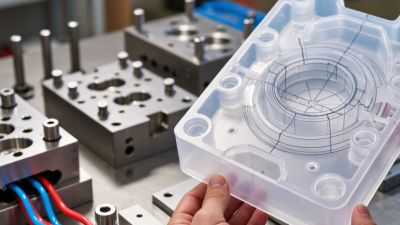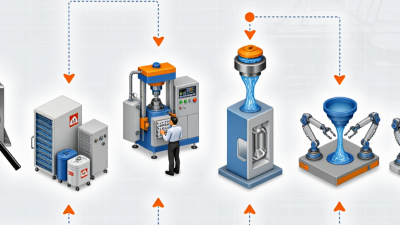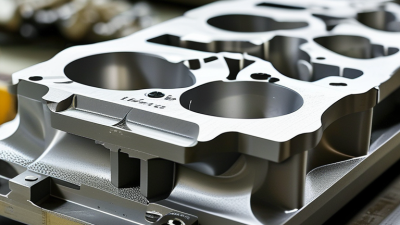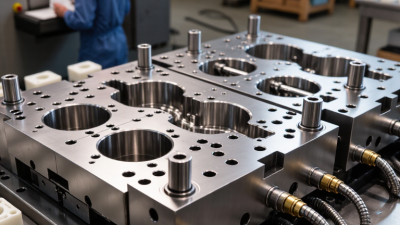
China’s injection molding die industry combines precision machining, rapid production, and broad export experience. Its leading manufacturers serve automotive, medical, electronics, packaging, and consumer product companies worldwide.
This guide examines ten notable Chinese manufacturers. It considers mold design capability, steel selection, CNC accuracy, surface finishing, mold-flow analysis, quality controls, delivery performance, and after-sales support. These details matter when a die must produce thousands of identical parts without flash, warping, or premature wear.
John Bozzelli, a respected injection molding consultant and founder of RJG, has said, “The mold is the heart of the injection molding process.” That principle guides this comparison. A polished factory floor means little if the injection molding die lacks balanced cooling, reliable ejection, or maintainable components.
The ranking is not absolute.
Supplier strengths change by project.
A company skilled in automotive bumpers may not excel at medical micro-components. Public information also varies between manufacturers, so this overview combines available certifications, technical evidence, production experience, and customer-facing capabilities. Buyers should still request recent samples, tolerance reports, material certificates, and references before making a decision.
Some manufacturers may appear less visible online yet perform strongly in specialized markets. That is an important limitation. The best choice depends on part geometry, resin, annual volume, mold life, validation requirements, and communication needs. This article offers a practical starting point for evaluating China’s top injection molding die manufacturers, rather than presenting a permanent or unquestionable verdict.
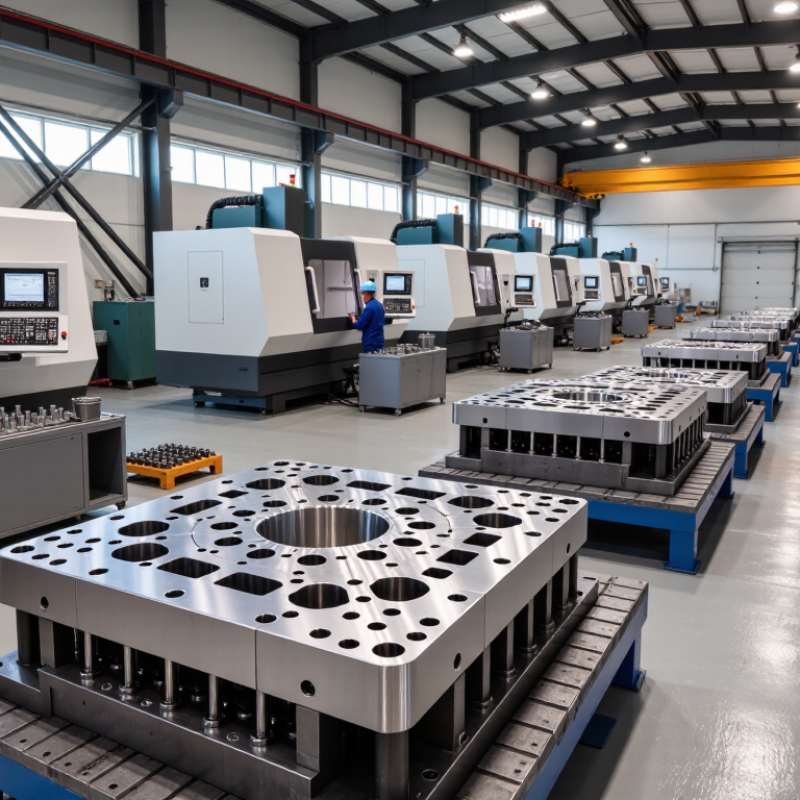
Injection molding die manufacturers design and build the tooling that shapes molten plastic into repeatable products. Their work includes cavity design, steel selection, cooling channels, ejection systems, and dimensional testing. Small errors can create flash, sink marks, or uneven wall thickness. Production teams therefore judge suppliers by more than price.
The demand is substantial. PlasticsEurope reported global plastics production of about 413.8 million tonnes in 2023. The injection molding machine market was valued at approximately USD 16.66 billion in 2022, according to Grand View Research.
These figures show why reliable tooling matters across automotive, medical, electronics, and consumer goods production. In China, capable die manufacturers often combine CAD engineering, CNC machining, polishing, trial molding, and inspection under one workflow. That integration can shorten revisions and reduce transport between suppliers.
A strong manufacturer should provide steel certificates, mold-flow analysis, inspection records, and realistic maintenance guidance. Ask how the tool performs after thousands of cycles, not only how it looks during acceptance.
A perfect die does not exist. Design compromises remain. Cooling may be faster, but complex channels can raise machining costs.
Faster delivery may also reduce time for testing. The best decision balances cycle time, service life, tolerances, and repair access.
Reports provide useful market direction, yet factory visits and sample evaluations still reveal what spreadsheets miss.
China Top 10 Injection Molding Die Manufacturers?
China’s injection molding die industry should not be judged by factory size alone. A better evaluation combines dimensional accuracy, steel traceability, mold-flow analysis, cycle testing, and after-sales response. Grand View Research estimated the global injection-molded plastics market at about USD 139.7 billion in 2023. This scale increases pressure on Chinese suppliers to deliver stable, repeatable tooling.
The China Die & Mould Industry Association has repeatedly highlighted automation, precision manufacturing, and export capability as major industry trends. Therefore, a practical top-ten evaluation should examine tolerance records, first-shot approval rates, mold life, and maintenance instructions. A polished sample is not enough. Ask for cavity-balance data, cooling-channel layouts, and evidence from similar production volumes. Small details matter.
Delivery performance also deserves attention. The World Bank’s 2023 Logistics Performance Index shows that international supply chains remain uneven, even for experienced exporters. A supplier with clear inspection reports and spare-part planning may be safer than a cheaper competitor. Public data is still incomplete, however. Ranking ten manufacturers with confidence is difficult when defect rates and long-term service records are rarely disclosed. That weakness should make buyers cautious, not impressed by advertising.
China’s top ten injection molding die manufacturers are best compared through measurable capabilities, not advertising claims. A reliable manufacturer should show experience with automotive, medical, electronics, or household components. It should also provide clear mold-flow analysis, steel certificates, dimensional reports, and trial records.
Workshop details matter. Look for five-axis machining, wire-cut EDM, coordinate measuring machines, and controlled polishing areas. These tools support tight parting lines and stable cavity dimensions. Cooling design deserves close attention. Balanced channels can reduce warpage and shorten cycle times. During evaluation, ask how the manufacturer manages mold maintenance, spare inserts, and engineering changes. A responsive team can prevent small defects from becoming expensive production delays.
The strongest suppliers usually combine design engineers, skilled toolmakers, and documented quality procedures. They should explain tolerances in practical language, rather than promise perfection. That matters. A quotation should separate steel, machining, testing, revisions, and delivery schedules. Factory visits can reveal useful evidence, including clean assembly benches, labeled components, and real trial samples. Still, “top ten” rankings remain partly subjective. A supplier excellent at large automotive molds may be unsuitable for precision medical parts. Even experienced manufacturers can underestimate cooling problems or late design changes. Careful technical communication remains essential.
The table below presents ten major injection-molding die capability categories commonly supplied by manufacturers in China. Company names and brand information are intentionally omitted; specifications are typical industry ranges and should be confirmed for each individual project.
| Rank | Manufacturer Capability Category | Typical Mold Application | Common Mold Materials | Typical Part Tolerance | Typical Mold Life | Typical Lead Time | Key Manufacturing Capability |
|---|---|---|---|---|---|---|---|
| 1 | Precision Injection Molds | Small mechanical, electronic and optical components requiring tight dimensional control. | P20, pre-hardened tool steel, hardened steel and corrosion-resistant steel. | Approximately ±0.01–0.03 mm | 300,000–1,000,000+ cycles | 6–12 weeks | CNC machining, wire EDM, sinker EDM, high-speed milling and coordinate inspection. |
| 2 | Automotive Injection Molds | Interior trim, exterior components, lighting parts and functional vehicle components. | Pre-hardened steel, hardened steel and wear-resistant tool steel. | Approximately ±0.03–0.10 mm | 500,000–1,000,000+ cycles | 10–20 weeks | Large-format machining, mold-flow analysis, interchangeable inserts and complex parting surfaces. |
| 3 | Thin-Wall Packaging Molds | Food containers, lids, cups, disposable packaging and high-volume consumer products. | Hardened stainless or corrosion-resistant tool steel. | Approximately ±0.03–0.08 mm | 500,000–5,000,000 cycles | 8–16 weeks | High-speed filling design, balanced hot-runner layouts, rapid cooling and automated ejection. |
| 4 | Medical Device Molds | Syringe components, diagnostic housings, laboratory consumables and disposable medical parts. | Polished stainless steel and corrosion-resistant hardened steel. | Approximately ±0.01–0.05 mm | 300,000–1,000,000+ cycles | 10–20 weeks | Clean manufacturing controls, mirror polishing, validated dimensions and traceable inspection records. |
| 5 | Insert Molding Dies | Parts combining molded plastic with metal terminals, bushings, threaded inserts or electronic components. | Pre-hardened steel, hardened steel and stainless steel. | Approximately ±0.02–0.08 mm | 200,000–800,000 cycles | 6–12 weeks | Accurate insert positioning, automated loading options, sensor integration and robust retention systems. |
| 6 | Two-Color and Multi-Material Molds | Seals, grips, consumer products and components combining rigid and flexible materials. | Pre-hardened steel, hardened steel and corrosion-resistant steel. | Approximately ±0.03–0.08 mm | 300,000–800,000 cycles | 8–16 weeks | Rotary or transfer mechanisms, accurate alignment, material separation and synchronized molding sequences. |
| 7 | Unscrewing and Collapsible-Core Molds | Caps, fittings, closures and parts with internal or external threads. | Pre-hardened steel, hardened steel and nitrided tool steel. | Approximately ±0.03–0.10 mm | 200,000–800,000 cycles | 8–16 weeks | Mechanical or hydraulic unscrewing, collapsible cores, thread-forming inserts and wear control. |
| 8 | Family Molds | Multiple related components molded simultaneously for product assemblies or matched part sets. | P20, pre-hardened steel and hardened steel. | Approximately ±0.03–0.10 mm | 200,000–600,000 cycles | 6–12 weeks | Cavity balancing, uniform cooling, synchronized filling and independent cavity maintenance. |
| 9 | Prototype and Low-Volume Molds | Design verification, engineering trials, market testing and short production runs. | Aluminum, P20 and other pre-hardened mold steels. | Approximately ±0.05–0.15 mm | 1,000–100,000 cycles | 2–6 weeks | Rapid CNC machining, simplified construction, interchangeable inserts and reduced tooling cost. |
| 10 | Stack Molds | High-volume caps, lids, containers and other products requiring high output per machine cycle. | Hardened tool steel and corrosion-resistant steel. | Approximately ±0.03–0.08 mm | 500,000–2,000,000+ cycles | 12–24 weeks | Multi-level cavity layouts, balanced hot runners, precise center alignment and high-cycle cooling systems. |
Note: Mold life, tolerance and lead time depend on part geometry, resin type, cavity count, steel grade, surface finish, production volume and validation requirements. The listed values are representative engineering ranges rather than guarantees for a specific mold.
China’s leading injection molding die manufacturers serve automotive, medical, electronics, packaging, and household appliance industries. Their capabilities depend on more than machining capacity. Engineers combine mold-flow analysis, high-speed CNC machining, electrical discharge machining, and precision polishing to control cavity accuracy. Small errors matter.
For automotive components, hot-runner systems support stable filling and reduced material waste. Cooling-channel design also affects cycle time and warpage. Medical parts require validated materials, clean production areas, and strict dimensional records. In electronics, manufacturers often use hardened steel, micro-texturing, and multi-cavity layouts for repeatable output. Packaging projects may prioritize thin-wall molding, rapid cycles, and automated ejection.
Experienced suppliers usually begin with product analysis and moldability reviews. They check wall thickness, draft angles, shrinkage, and likely weld lines before cutting steel. Trial molding then exposes practical issues that software may miss. A gate can fill correctly but leave visible marks. A cooling circuit can perform well yet complicate maintenance.
Quality control often includes coordinate measuring machines, hardness testing, and documented sampling plans. Engineers compare first-article results with approved drawings and production targets. Reliability is not automatic. Communication gaps, rushed revisions, and unclear tolerances still create delays. Better manufacturers keep change records and invite customer feedback during testing. That habit supports safer decisions across demanding industries, even when the first design needs revision.
The chart compares major industries commonly served by leading injection molding die manufacturers and shows how many established mold technologies are typically applicable to each sector. Technologies include hot-runner molds, multi-cavity molds, insert molding, two-shot molding, and gas-assisted molding. The values represent technology applicability, not company rankings or market share.
Choosing the right injection molding die manufacturer requires more than comparing online rankings. A capable supplier should understand your part’s function, resin behavior, expected volume, and required surface finish. Ask for drawings, inspection records, and examples of similar tooling. Inspect their design, machining, EDM, polishing, and trial-molding capabilities. Precision matters.
Request a detailed tool specification before signing any agreement. It should define steel grade, cavity layout, cooling channels, tolerances, cycle targets, and acceptance criteria. For complex parts, require mold-flow analysis and a documented design review. Do not accept vague promises. Experience shows that small details matter.
Evaluate the manufacturer’s quality system and communication habits. Can engineers explain design changes clearly? Are measurement reports traceable to calibrated equipment? Confirm who owns the final drawings and how spare components will be handled. Discuss maintenance access, repair response, and production support after delivery. These costs are often ignored during quotation.
A low initial price may conceal weak cooling, difficult maintenance, or repeated trial delays. I would compare total tooling cost, not only the purchase price. A supplier may look technically strong but communicate poorly under pressure. That weakness can become expensive. No checklist is perfect. During a pilot run, review actual cycle time, part consistency, flash, warpage, and ejection marks before approving production.