How to Choose the Best Injection Machines?

Choosing injection machines is a production decision, not simply a price comparison. The right press must suit your parts, molds, materials, and daily output. Market data shows why careful selection matters. Grand View Research estimated the global injection molding machine market at about USD 10.6 billion in 2023, with projected growth through 2030. These figures describe a broad market, not a promise of savings or performance for any specific factory. Still, they show that manufacturers continue investing in molding capacity. That matters.

Before comparing models, define the job. Record the resin, part weight, mold dimensions, required clamping force, and expected cycle time. Then assess repeatability, energy use, service support, and available floor space. A machine that fits the mold but struggles with shot size can create avoidable delays. Likewise, a low purchase price may conceal higher energy or maintenance costs. Ask suppliers for test data using a mold and material similar to yours. Check what is included in the quotation, too. No market report can choose a machine for your exact production line. Even experienced buyers can overlook a constraint. A careful review of real operating needs is the more reliable starting point for choosing injection machines.
How to Choose the Best Injection Machines?

What Injection Machines Are and How They Work

How to Choose the Best Injection Machines?
What Injection Machines Are and How They Work

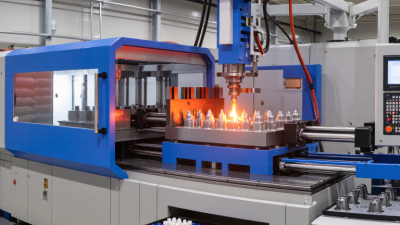
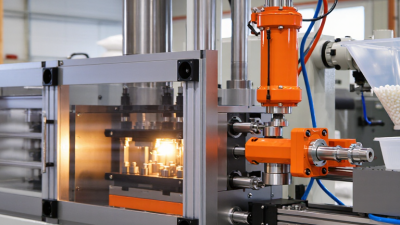
An injection molding machine shapes plastic by melting material and pressing it into a mold. Its main sections are the injection unit, clamping unit, and control system. In the barrel, a rotating screw moves plastic pellets forward while heat softens them. The clamping unit holds the two mold halves tightly together.

Once the plastic reaches the right temperature, the screw pushes it through a nozzle and into the closed mold. The material fills the cavity, cools, and hardens into the part’s shape. Then the clamp opens, and an ejector releases the finished piece. That matters. Cooling often takes more time than filling, so a machine’s advertised cycle time may not match your actual production needs. Mold design, material, and part thickness all affect results.

Tips: Match the machine’s clamping force and shot capacity to your mold and part, with a sensible margin. Ask for trial data using your material and mold when possible. Compare repeatability, energy use, and maintenance access—not just purchase price. A neat specification sheet can still miss awkward details, such as difficult mold changes or uneven cooling. Check those before deciding.

Which Injection Machine Types Suit Different Applications

Different injection machine types fit different production needs; no single design suits every shop. Hydraulic machines deliver strong clamping force and handle large parts, thick sections, or demanding materials well. They can be a sensible choice where purchase cost matters more than energy use or very tight cycle control. Electric machines offer repeatable movement, clean operation, and precise dosing, making them useful for small housings, electronic connectors, and other detailed parts. Quiet, too. Hybrid machines combine electric control with hydraulic force, which can help when a part needs both accuracy and substantial clamping pressure.

Match the machine to the part, not just its nameplate tonnage. Check projected area, mold dimensions, tie-bar spacing, shot size, resin behavior, and expected cycle time. A thin-walled food container may need fast injection and consistent cooling; a large appliance panel may need a bigger platen and stable clamping. For frequent color changes or small batches, setup time and purge material deserve attention. They are easy to overlook. Ask for a trial using the actual mold and resin, then compare part weight, dimensions, scrap, and energy per cycle. A catalog rating can look convincing, but it does not tell the whole story. Mold condition, operator skill, and material moisture can also shift results.

How to Define Production and Material Requirements

Before comparing injection machines, define the parts, output, and working conditions the production line must support. Record each part’s dimensions, target weight, wall thickness, and critical tolerances. Then estimate required parts per hour, annual volume, and the number of cavities in the mold. Include setup changes, planned maintenance, and realistic downtime; a machine sized only for ideal cycle times may leave orders waiting. This estimate is rarely neat. Use actual cycle-time data when available, and label assumptions clearly.

Material requirements shape the machine specification. List each resin grade, its processing temperature range, drying needs, viscosity, and any permitted recycled content. Check that the expected shot size fits comfortably within the machine’s practical range, rather than relying only on its maximum capacity. Compare required clamp force with projected part area and material behavior, then confirm the calculation with qualified engineering support. Small details matter. A moisture-sensitive resin, for example, may need controlled drying before molding, while a material change can affect flow and cycle time. Revisit these estimates after mold trials; the spreadsheet may look precise, but shop-floor results can still differ.

Which Machine Specifications Matter Most

Choosing an injection machine starts with the mold and the material, not a headline tonnage figure. Estimate clamping force from the total projected area, including runners, and the expected cavity pressure. Treat this as a starting point; thin walls, long flow paths, and multiple cavities can change the requirement. Too little force may cause flash, while excessive force can add cost and stress the mold.

Check shot capacity against the actual part-and-runner weight. The usable shot should suit the process, but there is no single ideal percentage for every resin or machine. Ask how the supplier defines capacity, and verify screw diameter, injection pressure, and injection speed for the material and fill time. Small details matter. Also confirm tie-bar spacing, platen size, mold thickness range, and opening stroke. A machine can meet the process target and still fail to fit the mold.

Look at plasticizing capacity and cycle time together. A fast injection unit cannot compensate if the barrel cannot melt material quickly enough. Repeatability is equally important: compare documented shot-to-shot variation and review the controls operators will use. Energy use and maintenance access deserve attention, too. A spreadsheet can make a poor fit look convincing. Recheck assumptions with a mold drawing, resin data, and a trial plan; early estimates are often imperfect.

How to Compare Costs, Safety, and Supplier Support

Comparing injection machines starts with more than the purchase price. Ask for a full cost breakdown covering installation, tooling compatibility, energy use, routine maintenance, and expected replacement parts. A machine that costs less upfront may consume more power during long production runs. Request estimates based on your material, cycle time, and planned operating hours, not a generic example. Numbers can still miss the mark.

Safety features deserve a practical review on the factory floor. Check that guards, interlocks, emergency stops, and access points suit the way operators will load, inspect, and clean the machine. Ask how safety functions are tested and documented. A polished brochure cannot show whether controls are easy to reach while wearing work gloves. Ask for evidence.

Supplier support affects real operating costs, too. Confirm response times, technician availability, training options, and access to common spare parts. If service is remote, ask what information technicians need to diagnose a fault and how quickly parts can ship. Speak with customers who run similar machines, if possible. Their experience may reveal gaps that a sales discussion overlooks. I would also compare warranty terms carefully; the cheapest offer is not always the clearest. Some estimates remain uncertain, so record assumptions and revisit them before choosing.

How to Choose the Best Injection Machines? — How to Compare Costs, Safety, and Supplier Support

Comparison Factor Hydraulic Machine Hybrid Machine All-Electric Machine
Typical upfront cost Often the lowest initial cost for comparable capacity and configuration. Often between hydraulic and all-electric options, depending on the hydraulic and electric features included. Often the highest initial cost for comparable capacity and configuration.
Energy use Can use more energy when the pump continues running during parts of the cycle with low demand. Variable-speed pump systems can reduce this difference. May reduce energy use by applying electric drives to selected movements while retaining hydraulic power for others. Often uses less energy than a conventional fixed-speed hydraulic machine, particularly when its drive system matches energy use to demand.
Maintenance considerations Requires hydraulic oil and attention to filters, hoses, seals, and potential leaks. Requires maintenance for both hydraulic components and electric drive systems. No hydraulic oil circuit for machine movements, but servo drives, motors, and controls still require qualified maintenance.
Process control and repeatability Can produce consistent parts when properly specified, maintained, and controlled. Can offer precise control for electrically driven movements; performance depends on machine configuration. Direct electric drive control can provide accurate, repeatable movement and is often considered for tight process-control requirements.
Cleanliness and oil management Hydraulic oil is present, so leak prevention and housekeeping are important. Hydraulic oil is present in the hydraulic portion of the system. Machine movements do not require hydraulic oil, which can help reduce oil-related contamination risks around the machine.
Production fit A common choice for general-purpose molding, larger clamping forces, or operations prioritizing initial purchase cost. May suit applications seeking a balance of hydraulic force and electric control or efficiency. Often considered for high repeatability, clean production environments, or frequent-cycle applications.
Safety requirements Machine type does not determine safety by itself. Verify fixed and interlocked guards, emergency stops, safe access, and documented risk controls. Apply the same machine-safety checks; confirm that guards and interlocks cover all relevant operating modes. Apply the same machine-safety checks; electric drive technology does not remove the need for guarding or safe operating procedures.
Supplier support to verify Ask for local service coverage, hydraulic-system expertise, spare-part availability, training, and response-time commitments. Confirm the supplier can support both hydraulic and electrical systems, controls, and integrated troubleshooting. Confirm access to trained electrical-drive and controls technicians, software support, spare parts, and commissioning assistance.
Best comparison method Compare the purchase price and expected oil, maintenance, and energy costs over the planned service life. Compare the full machine configuration and estimate energy and maintenance costs for the actual production cycle. Compare the purchase premium with expected energy, maintenance, process, and cleanliness benefits for the intended application.

Selection note: Cost and energy comparisons are general tendencies, not guarantees. Results depend on machine size, options, material, cycle, utilization, electricity prices, and local service conditions. Before purchase, assess guarding, interlocks, emergency stops, and risk controls against applicable regulations and machine-safety standards, such as ISO 20430:2020.