Why Are Injection Molding Machines Used Worldwide?

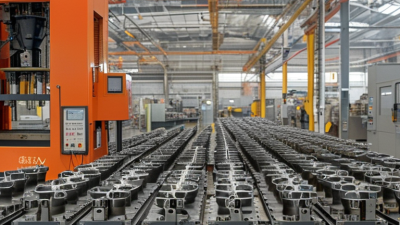
Across industries, injection molding machines turn measured quantities of plastic into repeatable, finished parts. Their reach comes from a practical advantage: one carefully designed mold can produce many matching components at a steady pace. Think of bottle caps, appliance housings, or the small clips inside a car. Each part may look simple, yet its dimensions can matter.

An injection molding machine heats plastic pellets, moves the molten material into a mold, and holds it there as the part cools. The cycle can be automated, helping manufacturers maintain consistent output across long production runs. Small details matter. Temperature, pressure, cooling time, and material choice all affect the result. A slight change can leave a part warped, incomplete, or difficult to remove.

This is why injection machines are used worldwide, from large factories to specialized production sites. They support a broad range of shapes and materials, while reducing the repeated manual work required for high-volume manufacturing. But they are not a universal answer. Molds can be costly to design and build, and machines need skilled setup, regular maintenance, and careful process control. The economics also change with part size, production volume, and material. That can be overlooked. A fast cycle does not automatically mean a low-cost product. Understanding both the capabilities and the trade-offs helps explain why manufacturers choose injection molding for some parts, but not every part.
Why Are Injection Molding Machines Used Worldwide?

What Injection Molding Machines Are and How They Work

Why Are Injection Molding Machines Used Worldwide?

What Injection Molding Machines Are and How They Work

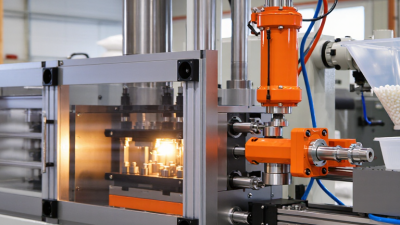
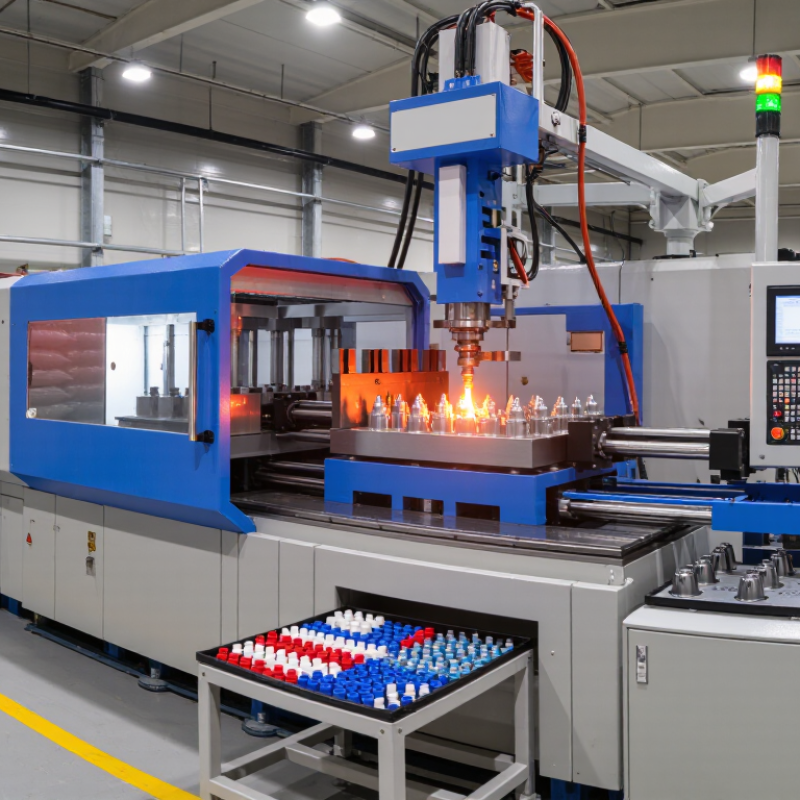
An injection molding machine turns plastic pellets into repeatable, shaped parts. Pellets fall from a hopper into a heated barrel. A rotating screw melts and pushes them forward. The machine then injects the melt into a closed mold, where it cools. Ejector pins release the solid part. The cycle begins again.

Small details matter: screw speed, melt temperature, mold cooling, and pressure all affect the result. Settings vary by material and part design; there is no universal recipe.

The process suits high-volume production, from container caps to appliance housings. PlasticsEurope’s Plastics – the Fast Facts 2024 reports 413.8 million tonnes of global plastics production in 2023. The OECD’s Global Plastics Outlook projects plastics use could reach 1.23 billion tonnes by 2060, up from 460 million tonnes in 2019. These figures cover plastics overall, not injection-molded products alone. Still, they help explain the scale of demand for efficient processing.

A tidy cycle can hide trade-offs: molds take time and resources to make, and poor process control can create scrap. Injection molding is powerful, but not effortless.

The Main Stages of the Injection Molding Process

Why Are Injection Molding Machines Used Worldwide?

The Main Stages of the Injection Molding Process

A molded part begins as small plastic pellets. The machine feeds them into a heated barrel, where a rotating screw melts and moves the material forward. Meanwhile, the two mold halves close under clamping force. The details matter: uneven heating or a poorly seated mold can affect the finished part.

Next, the screw pushes molten plastic through a nozzle and into the mold cavity. Injection pressure fills narrow sections, but pressure alone cannot fix every design problem. During the holding stage, the machine continues applying pressure as the plastic cools and shrinks. Then the part cools until it is firm enough to release. This wait can feel slow, yet rushing it may cause warping.

The mold opens, and ejector pins push out the part. Operators can then check its dimensions, surface, and any visible defects. Small details matter. A short shot may point to insufficient filling, while sink marks can suggest uneven cooling or inadequate holding pressure.

The sequence sounds tidy, but production rarely behaves so neatly. Adjustments often take several trials, and even an experienced team may need to revisit earlier settings when a material or part design changes.

Materials and Products Made with Injection Molding

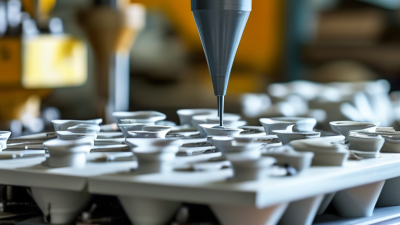
Injection molding makes parts by forcing softened material into a shaped cavity, where it cools into a repeatable form. Common choices include polypropylene, polyethylene, ABS, polycarbonate, and nylon. Each behaves differently: nylon suits durable gears, while clear polycarbonate can form protective covers. Small details matter. A thin wall cools quickly, but uneven thickness can cause warping or visible sink marks.

The range of products is broad: bottle caps, storage bins, electrical housings, medical-device components, automotive clips, and plumbing fittings. PlasticsEurope’s Plastics – the Fast Facts 2023 reports 400.3 million tonnes of global plastics production in 2022; packaging represented about 39% of demand, and building and construction about 21%. These figures describe plastics overall, not injection molding alone. Grand View Research estimated the global plastic injection molding market at about US$284.5 billion in 2023. Still, a large market does not make every molded design efficient. Material choice, part geometry, and cooling time can change cost and performance. A tiny clip can be surprisingly tricky.

Why Are Injection Molding Machines Used Worldwide? - Materials and Products Made with Injection Molding

Industry or Application Common Materials Typical Products Why Injection Molding Is Used
Packaging Polypropylene (PP), polyethylene (PE), polystyrene (PS) Bottle caps, closures, food containers, reusable tubs Supports high-volume production of consistent parts and can form features such as threads, hinges, and snap-fits.
Automotive Polypropylene (PP), acrylonitrile butadiene styrene (ABS), polyamide (PA) Interior trim, clips, grilles, housings, air-duct components Can produce complex shapes and lightweight components in repeatable production runs.
Electrical and Electronics ABS, polycarbonate (PC), polyamide (PA) Equipment enclosures, connectors, switch parts, cable-management components Enables precise molded details and, depending on the selected material, useful electrical insulation and impact resistance.
Medical and Healthcare Polypropylene (PP), polyethylene (PE), polycarbonate (PC) Syringe components, diagnostic housings, trays, laboratory consumables Suitable for producing large quantities of dimensionally consistent parts. Material choice and manufacturing controls must match the product’s intended use.
Household Goods Polypropylene (PP), ABS, polystyrene (PS) Storage containers, appliance parts, kitchenware, organizers Combines repeatable manufacturing with flexibility in shape, color, and surface finish.
Construction and Building Products Polypropylene (PP), polyamide (PA), polycarbonate (PC) Fasteners, spacers, fittings, protective covers Can make durable, detailed components in consistent sizes for assembly and installation.
Toys and Recreation ABS, polypropylene (PP), polyethylene (PE) Building components, game pieces, protective gear parts, sports accessories Allows repeatable production of shaped parts, including components with multiple design features.
Industrial Components Polyoxymethylene (POM), polyamide (PA), polypropylene (PP) Gears, rollers, clips, housings, machine guards Engineering thermoplastics can be molded into functional parts with detailed geometry and consistent dimensions.

Industries That Rely on Injection Molding Worldwide

Injection molding supports automotive, healthcare, electronics, packaging, and household-goods manufacturing. Grand View Research valued the global injection-molded plastics market at about $284.2 billion in 2023. That estimate covers a broad market, not every molded component. Still, it shows how widely manufacturers depend on repeatable, high-volume production. The scale is striking.

Automotive plants use molded clips, interior panels, connector housings, and fluid-system parts. OICA reported 93.5 million motor vehicles produced worldwide in 2023, creating demand for components that fit consistently across large production runs. Small parts matter. In healthcare, molded trays, diagnostic consumables, and equipment housings require controlled dimensions and suitable materials. A low-cost part can still have demanding quality requirements. Material choice, mold design, and inspection all matter.

Electronics manufacturers rely on molded enclosures and connectors to protect delicate assemblies. Food and consumer-goods producers use molded caps, tubs, and appliance components, often in millions of units. PlasticsEurope reported global plastics production of 413.8 million tonnes in 2023; this includes many processes beyond injection molding. The figure gives useful context, but it should not be mistaken for injection-molding output. Molding is efficient for repeat orders, yet complex tooling can make short runs costly. Not every part should be molded. Manufacturers still need to weigh durability, repairability, material use, and end-of-life options.

Why Injection Molding Is Used Worldwide

European plastics demand by application, 2018 (approximate share)

Injection molding supports many of these industries by producing repeatable, complex parts such as packaging closures, automotive components, electrical housings, and construction fittings. These figures show plastics demand by application—not injection-molding market share; not all products in each category are injection molded. Source: PlasticsEurope, Plastics – the Facts 2019.

Factors Driving the Global Use of Injection Molding Machines

Injection molding is widely used because it can produce large numbers of consistent parts with little variation. A single mold can form detailed features, such as snap-fit clips, thin ribs, and textured surfaces. Once production is stable, automated machines can repeat the cycle with limited manual handling. That matters.

Material flexibility also drives adoption. Manufacturers can choose from many thermoplastics to meet needs for stiffness, impact resistance, or heat tolerance. The same basic process serves products as different as appliance housings, packaging components, and medical equipment parts. Yet material choice is not a shortcut. A resin that works well in one design may shrink or warp in another.

Economics help explain the process’s global reach. Molds can be costly, but high-volume production spreads that expense across many parts. Short cycle times and nearby suppliers can also support regional manufacturing. Still, results depend on careful setup: temperature, pressure, cooling, and mold design all matter. A small change in cooling can leave a visible sink mark or a part that no longer fits. Machines are versatile, but they do not remove the need for skilled process control.